Menu
CONSULENZA D'ARTE GRATUITA

Musée des Beaux-Arts

Dettagli rapidi

  • Featured artists:
    • Charles Le Brun
    • Bernardo Bellotto
    • Jan van Bijlert
  • Location: Troyes, France
  • Works on APS: 3

Quiz d'arte

Per ogni domanda è presente una sola risposta corretta.

Domanda 1:
Qual è la principale forza distintiva del Musée des Beaux-Arts de Troyes?
Domanda 2:
Dove si trova il Musée des Beaux-Arts de Troyes?
Domanda 3:
Quale di questi manufatti è una delle opere più importanti della collezione del Musée des Beaux-Arts de Troyes?
Domanda 4:
Cosa rende unico il Musée des Beaux-Arts de Troyes rispetto ad altri musei in Francia?
Domanda 5:
Qual artisti hanno contribuito alla collezione del Musée des Beaux-Arts de Troyes?

A Journey Through Time and Artistic Expression: Exploring the Musée des Beaux-Arts de Troyes

Nestled within the serene walls of the historic Abbey of Saint Loup, the Musée des Beaux-Arts de Troyes stands as a testament to France’s artistic heritage. Founded in 1792 with the noble ambition of honoring the abbey's legacy and showcasing its remarkable collection, this museum offers visitors an unparalleled opportunity to immerse themselves in centuries of creativity—from medieval sculpture to groundbreaking modern art. More than just a repository of artworks, it’s a living chronicle of Troyes’ cultural evolution.

A Collection That Speaks Volumes

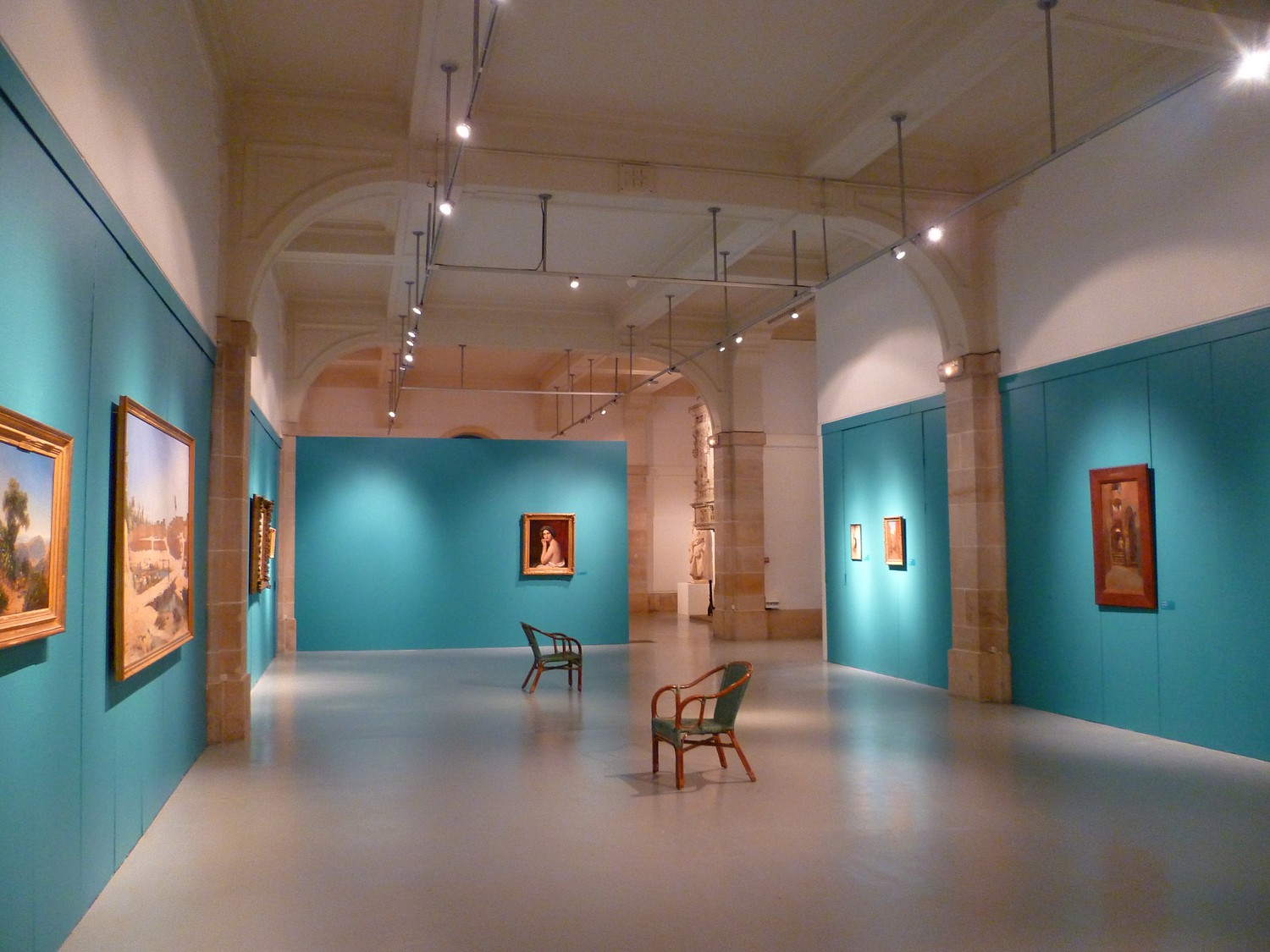
The Musée’s strength lies in its diverse holdings, meticulously curated over two centuries. Dominating the gallery spaces are paintings from the 14th to the 19th centuries, with an exceptional concentration of masterpieces from the Baroque and Rococo eras. Artists like Jean Baptiste Camille Corot and Henri Matisse have graced these walls, capturing the essence of Impressionism and Fauvist styles respectively. However, the museum’s narrative extends far beyond French art; Roman antiquities—including the famed Treasure of Pouan—transport visitors back to antiquity, revealing intricate funerary rituals and artistic sensibilities. Furthermore, a captivating selection of medieval sculptures illuminates the spiritual fervor of the region's past, demonstrating exceptional craftsmanship and symbolic representation. Decorative arts complement these treasures, offering glimpses into aristocratic lifestyles and reflecting evolving aesthetic tastes throughout history. The museum’s curators have skillfully arranged pieces to tell stories—stories of faith, patronage, and artistic innovation that resonate across time periods.

The Abbey’s Architectural Embrace

What truly distinguishes the Musée des Beaux-Arts de Troyes is its extraordinary setting—the Abbey of Saint Loup itself. Dating back to the 12th century, this architectural marvel provides an ethereal backdrop for experiencing art and delving into historical narratives. The abbey's soaring vaulted ceilings, stained glass windows filtering sunlight into kaleidoscopic hues, and tranquil courtyards evoke a sense of timeless beauty. Visitors can trace the abbey’s transformation from monastic sanctuary to royal residence and finally, to its role as a museum—a journey mirroring the museum’s own evolution. Light plays an integral part in shaping the visitor experience, highlighting textures and colors within the artworks themselves and enhancing the grandeur of the abbey's interior spaces.

History: From Monastery Roots to Modern Expansion

Initially conceived as a modest collection of paintings and statues, the Musée’s growth has been fueled by generous donations and ambitious expansions. Notably, Dominique Morlot’s contribution in 1833 solidified the museum’s foundation, while the Simart and Buissonnet pavilions erected in the late 19th century dramatically increased exhibition space and enriched the collection with new acquisitions. Recent renovations have revitalized the museum’s visitor experience, ensuring that future generations can appreciate Troyes' artistic legacy. The Musée des Beaux-Arts de Troyes has hosted significant exhibitions showcasing both national and international artists—events designed to stimulate dialogue between artistic movements and illuminate broader cultural contexts. These explorations delve into themes ranging from medieval iconography to Baroque portraiture and the influence of Impressionism on regional landscapes, demonstrating a commitment to fostering intellectual curiosity and enriching visitors’ understanding of art history.

Notable Exhibitions & Artistic Dialogue

Throughout its history, the Musée des Beaux-Arts de Troyes has fostered artistic dialogue through carefully selected exhibitions. These events have presented masterpieces from across Europe and beyond, prompting reflection on stylistic developments and cultural exchanges. Recurring themes explore the evolution of sculptural techniques—from Roman marble to Gothic stone—highlighting the mastery of artisans throughout the ages. Furthermore, curators have championed artists who pushed boundaries and challenged conventions, fostering a spirit of innovation that continues to inspire visitors today.

A Unique Troyes Perspective

More than simply admiring artworks, a visit to Musée des Beaux-Arts de Troyes invites contemplation about the interplay between faith, artistry, and social transformation. Its location within a UNESCO World Heritage site underscores its importance as a cultural landmark—a place where visitors can reconnect with France’s artistic past and gain inspiration for contemporary creativity. The museum's curators strive to present artworks in context, illuminating their historical significance and fostering appreciation for the enduring power of visual art.

Catalogo delle opere d'arte

Nessuna opera trovata.