- Pagina iniziale

- Musei
- Musee des Beaux-Arts

Sommario
Dettagli rapidi
- Movements: realismo contemporaneo
- Mediums: acrilico su tela
- Location: Arras, France
- Espandi dettagli…
- Works on APS: 4
- Featured artists:
- Eugène Delacroix
- Jean-Baptiste-Camille Corot
- Nicolaes Maes
- Charles-André van Loo
- Art types: opere d'arte da parete
Artisti in collezione

Eugène Delacroix
Scopri Eugène Delacroix, il maestro del Romanticismo francese! Ammira opere iconiche come "La Libertà guida il popolo" e lasciati ispirare dai suoi colori vibranti e dalle scene drammatiche che hanno rivoluzionato l'arte.


Jean-Baptiste-Camille Corot
Scopri Jean-Baptiste-Camille Corot (1796-1875), pittore francese che unisce Neoclassicismo e Impressionismo. Paesaggi sereni, ritratti realistici e la sua influenza sull'arte! Esplora 'The Repose' e altro!
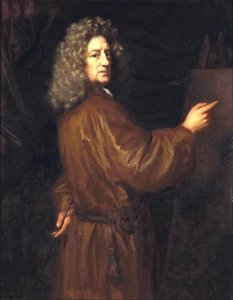
Nicolaes Maes
Scopri Nicolaes Maes (1634-1693), pittore dell'Età dell'Oro Olandese, celebre per scene di genere intime e ritratti magistrali influenzati da Rembrandt. Esplora la vita quotidiana attraverso la sua arte affascinante.
Articoli correlati

Embodying the Polis: Civic Virtue as Subject & Symbol in Western Art
Explore the fascinating history of civic virtue in Western art! From ancient Greece to the French Revolution, discover how artists depicted ideals of citizenship, duty & republicanism. Expert analysis at OriginalUniqueArt.
Historical Painting: A Comprehensive Exploration of Movements, Techniques & Enduring Legacies
Explore the rich history of painting! Discover iconic movements, masterful techniques & enduring legacies from Renaissance to modern art. Expert insights for collectors and enthusiasts.

Echoes of Olympus: Mythological Narratives in Western Art Through the Ages
Explore the captivating history of mythological narratives in Western art! From ancient Greece to modern masterpieces, discover iconic artworks & symbolism. Expert analysis and high-quality reproductions at OriginalUniqueArt.
Catalogo delle opere d'arte




Iscriviti alla nostra newsletter
Rimani aggiornato sulle ultime novità dell'arte, sulle offerte esclusive e sulle idee di decorazione.
Ricevi 3 suggerimenti d'arte gratuiti
Raccontaci del tuo progetto e i nostri esperti d'arte ti proporranno 3 suggerimenti artistici personalizzati.
Not Sure Where to Start?
Let Us Curate 3 Options Just for You - Free!