


La Real Sede di San Lorenzo de El Escorial
Scoprite la Real Sede di San Lorenzo de El Escorial, un sito Patrimonio dell'Umanità UNESCO situato in Spagna. Esplorate la sua architettura rinascimentale, l'arte storica che include le opere di El Greco e l'imponente complesso composto da monastero, palazzo e biblioteca, nei pressi di Madrid.
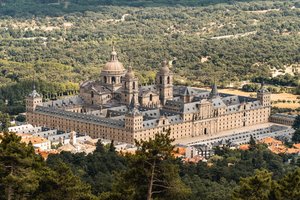
Situato vicino a Madrid, questo complesso monumentale incarna lo spirito dell'Età dell'Oro spagnola e si erge come testimonianza dell'ambizione e della devozione di Re Filippo II. Costruito tra il 1563 e il 1584 da Juan Bautista de Toledo, rappresenta un traguardo senza precedenti nell'architettura erreriana — caratterizzata da una grandiosità austera e da un uso magistrale della pietra — e ospita una straordinaria collezione di opere d'arte che illuminano la sensibilità artistica dell'epoca.
- Significato Storico: La Real Sede funse da palazzo reale, monastero e mausoleo per Filippo II, riflettendo il suo desiderio di consolidare il potere e onorare Dio. La sua natura poliedrica sottolinea la profonda influenza dell'ideologia religiosa sull'arte e l'architettura del Rinascimento.
- Capolavoro Architettonico: Il design del complesso — una armoniosa fusione degli stili rinascimentale ed erreriano — impiega proporzioni monumentali e precisione geometrica per trasmetrebbe un senso di ordine e maestosità. L'interno vertiginoso della basilica, adornato con intricati affreschi e sculture, esemplifica gli ideali artistici del suo tempo.
- Collezione d'Arte: Tra i suoi tesori si trovano capolavori di El Greco, tra cui "Cristo sulla Croce con Maria e San Giovanni", che mostra il realismo fiammingo delle origini e un'intensità emotiva profonda — una rappresentazione toccante di fede e sofferenza che ha affascinato gli spettatori per secoli. Il Mausoleo Reale ospita le tombe dei monarchi spagnoli e di figure illustri, offrendo uno sguardo sulla stirpe reale e commemorando il glorioso passato della Spagna.
- Ruolo Educativo: Oltre al suo splendore artistico, El Escorial funge da centro per lo studio religioso e la contemplazione, favorendo il discorso intellettuale e la riflessione spirituale tra le sue mura. I visitatori possono approfondire la storia della monarchia spagnola ed esplorare l'evoluzione dell'arte rinascimentale attraverso visite guidate e mostre.
El Escorial - Una Sintesi di Stili
Il progetto architettonico riflette gli ideali umanistici del Rinascimento insieme alla solenne grandezza dello stile erreriano, dando vita a una fusione unica che distingue El Escorial dagli altri palazzi della sua epoca. La pianta cruciforme della basilica — ispirata alla Basilica di San Pietro a Roma — è fiancheggiata da colonne imponenti e adornata con elaborati affreschi che raffigurano scene bibliche.
Il cortile, dominato da una fontana monumentale e da sculture che commemorano le vittorie di Filippo II, funge da punto focale del complesso. La sua disposizione simmetrica rinforza il concetto di ordine divino e sottolinea il patrocinio reale che ne ha alimentato la costruzione. I giardini circostanti — progettati per evocare tranquillità e contemplazione — completano la grandezza architettonica con un verde lussureggiante e siepi meticolosamente scolpite.
Mostre Notevoli e Ricerca in Corso
El Escorial ha ospitato numerose mostre che celebrano la storia dell'arte spagnola, evidenziando momenti cruciali della cultura europea e favorendo il dialogo tra studiosi ed appassionati. Gli sforzi di ricerca recenti si sono concentrati sull'analisi dei pigmenti e delle tecniche impiegate da El Greco e altri artisti rinascimentali, fornendo preziose intuizioni sulle pratiche artistiche del periodo.
- Gli scavi in corso continuano a portare alla luce nuove scoperte sulla storia del sito, arricchendo la nostra comprensione del regno di Filippo II e del panorama culturale della Spagna durante l'Età dell'Oro.
- I ricercatori stanno utilizzando tecnologie di imaging avanzate per ricostruire i piani architettonici e analizzare gli elementi strutturali, rivelando dettagli nascosti che illuminano le complessità del processo costruttivo di El Escorial.
Un'Eredità che Resiste al Tempo
El Escorial si erge come simbolo dell'eredità duratura della Spagna — una testimonianza di ambizione regale, innovazione artistica e devozione religiosa. La sua grandezza architettonica continua a ispirare stupore e ammirazione, attirando visitatori da tutto il mondo che cercano di immergersi nella storia e nella bellezza di questo straordinario monumento.


