- Pagina iniziale

- Musei
- Kunstsammlungen

Dettagli rapidi
- Art types: opere d'arte da parete
- Featured artists:
- Jacopo Tintoretto
- Lucas Cranach the Elder
- asmus jakob carstens
- Mediums: acrilico su tela
- Espandi dettagli…
- Location: Wittenberg, Deutschland
- Works on APS: 3
- Movements: italian baroque
Quiz d'arte
Per ogni domanda è presente una sola risposta corretta.
Domanda 1:
Qual è la principale ragione per cui Staatliche Kunstsammlungen Wittenberg è rinomata?
Domanda 2:
L'importanza storica del museo risiede nella sua posizione a Wittenberg perché:
Domanda 3:
Quale artista è noto per aver prodotto opere che sono prominenti nella collezione Staatliche Kunstsammlungen Wittenberg?
Domanda 4:
Cosa distingue Staatliche Kunstsammlungen Wittenberg dalle altre istituzioni museali?
Domanda 5:
Come appare l'ambiente architettonico in cui Staatliche Kunstsammlungen Wittenberg ospita la sua collezione?
Artisti in collezione

Jacopo Tintoretto
Scopri Tintoretto (Jacopo Comin), un maestro del Rinascimento veneziano noto per le sue composizioni drammatiche, la pennellata audace ('Il Furioso') e l'uso innovativo della luce e della prospettiva. Esplora opere iconiche e il suo lascito nell'arte italiana.


Luca Cranach il Vecchio
Scopri Lucas Cranach il Vecchio (1472-1553), pittore tedesco del Rinascimento noto per i ritratti di riformatori come Lutero e vibranti scene mitologiche! Esplora la sua arte!

Asmus Jakob Carstens
Scopri Asmus Jakob Carstens, pittore neoclassico tedesco noto per le sue figure drammatiche e i suoi schizzi. Esplora "La Notte e i suoi Figli" e la sua eredità artistica.
Articoli correlati
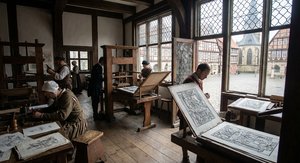
The Northern Awakening: Artistic Innovation & Cultural Transformation in the German Renaissance
Explore the artistic innovation of the German Renaissance! Discover Dürer, the Danube School & Reformation art. Learn about techniques, materials & lasting influence. Find museum-quality reproductions at OriginalUniqueArt.

The Flourishing of Humanism: A Comprehensive Exploration of the Italian Renaissance Art Movement
Explore the Italian Renaissance! Discover humanist ideals, iconic masterpieces by Leonardo, Michelangelo & Raphael, and lasting artistic innovations. A comprehensive guide for art enthusiasts.
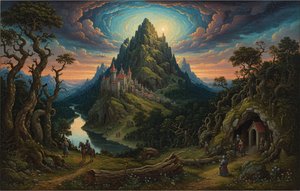
Albrecht Altdorfer: Innovazione, Spiritualità e il Paesaggio del Rinascimento Nordico
Esplora l'innovativa arte di Albrecht Altdorfer e la Scuola del Danubio. Approfondisci il simbolismo, la spiritualità e l'importanza del paesaggio nel Rinascimento tedesco. Scopri le sue opere più significative.
Catalogo delle opere d'arte




Iscriviti alla nostra newsletter
Rimani aggiornato sulle ultime novità dell'arte, sulle offerte esclusive e sulle idee di decorazione.
Ricevi 3 suggerimenti d'arte gratuiti
Raccontaci del tuo progetto e i nostri esperti d'arte ti proporranno 3 suggerimenti artistici personalizzati.
Not Sure Where to Start?
Let Us Curate 3 Options Just for You - Free!