- Pagina iniziale

- Musei
- Ikonen-Museum

Sommario
Dettagli rapidi
- Works on APS: 2
- Alternate names:
- Ikonen-Museum
- Museo delle icone
- Ikonen-Museum Recklinghausen
- RekMuseum
- Location: Recklinghausen, Deutschland
- Featured artists:
- elias moskos
- Andreas Ritzos
Quiz d'arte
Per ogni domanda è presente una sola risposta corretta.
Domanda 1:
Qual è lo scopo principale del Museo delle Icône di Recklinghausen?
Domanda 2:
Quale tradizione artistica presenta il museo insieme alle icone?
Domanda 3:
Cosa distingue il Museo delle Icône di Recklinghausen dagli altri musei d'arte?
Domanda 4:
I programmi educativi del museo includono:
Domanda 5:
Qual è l'atmosfera generale dell'edificio del museo progettato per promuovere?
Artisti in collezione

Elias Moskos
Elias Moskos (1552-1615) è stato un pittore manierista tedesco noto per i suoi ritratti, scene religiose e opere allegoriche. Esplora la sua arte e l'influenza sulla pittura del tardo Rinascimento.


Andreas Ritzos (Andrea Rizo)
Andreas Ritzos (1421-1492) pittore greco della Scuola di Creta, celebre per lo stile Maniera Greca e l'influenza su artisti come El Greco. Esplora le sue opere della Madonna e del Bambino e il suo ricco lascito artistico.
Articoli correlati

Sacred Narratives Embodied: A Comprehensive Exploration of Religious Iconography in Art History
Explore the rich history of religious iconography in art! Discover symbolism, movements & masterpieces from Byzantine to Renaissance periods. Expert insights for collectors and enthusiasts at OriginalUniqueArt.
La Presenza Imponente: Integrazione Architettonica e Strategie Proporzionali per Riproduzioni d'Arte Monumentali negli Interni di Lusso
Scopri come integrare opere d'arte monumentali nei tuoi interni di lusso con OriginalUniqueArt. Consulenza esperta, riproduzioni di alta qualità e soluzioni personalizzate per un impatto visivo straordinario.
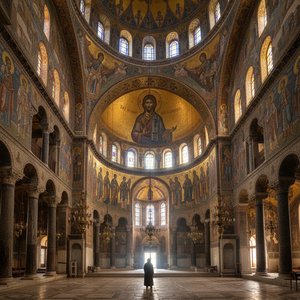
Illuminating Eternity: A Comprehensive Exploration of Byzantine Art's Legacy
Explore the rich history & stunning artistry of the Byzantine Empire! Discover iconic mosaics, profound symbolism, and lasting influence on Western art. A comprehensive guide for history lovers.
Catalogo delle opere d'arte
Nessuna opera trovata.


Iscriviti alla nostra newsletter
Rimani aggiornato sulle ultime novità dell'arte, sulle offerte esclusive e sulle idee di decorazione.
Ricevi 3 suggerimenti d'arte gratuiti
Raccontaci del tuo progetto e i nostri esperti d'arte ti proporranno 3 suggerimenti artistici personalizzati.
Not Sure Where to Start?
Let Us Curate 3 Options Just for You - Free!