Una Tela Singolare nel Tempo: Dove gli Echi Romani Incontrano la Grandiosità Vittoriana
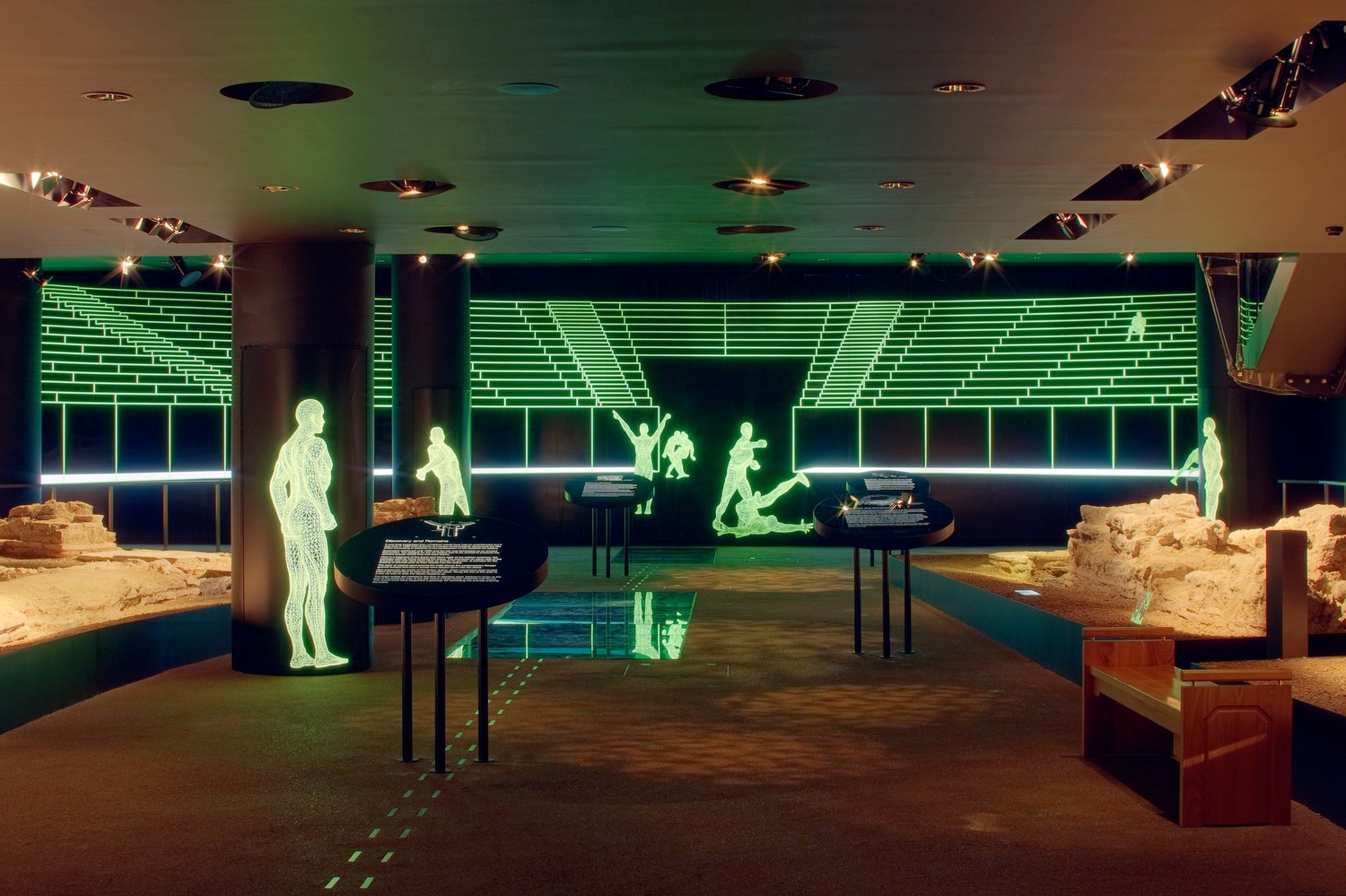
Varcare la soglia della Guildhall Art Gallery - l'Anfiteatro Romano di Londra significa entrare in un profondo dialogo tra le antiche fondamenta di Londra e gli opulenti fregi dell'era vittoriana. Situata nel cuore venerabile della City di Londra, questa istituzione offre molto più di una semplice esposizione di tele; essa offre un viaggio immersivo attraverso i vari strati della storia britannica. L'architettura stessa della galleria funge da narratore silenzioso, dove il design moderno e postmoderno di Richard Gilbert Scott incontra i tangibili resti del passato. L'aspetto più sorprendente è che il sito sorge sulle rovine scavate del più grande anfiteatro romano di Londra, scoperto nel 1988. Mentre i visitatori passeggiano nel cortile, le sottili tracce sulla pavimentazione delineano il perimetro di questa antica arena, permettendo di percepire il battito di un insediamento romano proprio sotto i piedi della metropoli contemporanea.
L'architettura stessa è una lezione magistrale di sintesi storica. L'edificio è costruito in uno stile semi-gotico in pietra, pensato per armonizzarsi con la storica Guildhall, che si trova adiacente e collegata internamente. Questa armonia strutturale permette una transizione fluida tra la meraviglia archeologica dei resti romani — alcuni dei quali sono esposti in situ in una sala al piano interrato — e i sofisticati spazi artistici sovrastanti. Per l'appassionato di architettura o per l'interior designer, il modo in cui il design moderno accoglie questi antichi frammenti offre una rara lezione su come integrare l'eredità storica con l'eleganza contemporanea.
L'Anima della Collezione: Maestria Vittoriana e Profondità Narrativa
Il cuore della collezione risiede nel suo magnifico insieme di dipinti vittoriani, un periodo caratterizzato da un'ambizione artistica senza pari e da una profonda trasformazione sociale. Queste opere fungono da finestre luminose su un'epoca passata, catturando con meticoloso dettaglio l'energia ritmica del paesaggio urbano in continua evoluzione di Londra. I collezionisti e gli amanti dell'arte si ritroveranno rapiti dalle atmosfere notturne di artisti come John Atkinson Grimshaw , la cui maestria nel gioco di luci e ombre evoca un senso di mistero romantico. Accanto a questi, le opere di Albert Brumley offrono uno sguardo sulla teatralità e sul progresso industriale dell'epoca, ritraendo l'eleganza aristocratica e la vibrante vitalità della vita londinese.
La collezione è arricchita da significative donazioni storiche che ne hanno plasmato il carattere, in particolare la donazione del 1902 di Charles Gassiot , che ha portato alla galleria oltre cento dipinti. Questo afflusso ha potenziato il patrimonio con opere di maestri quali:
- John Singleton Copley , il cui monumentale dipinto che ritrae La sconfitta delle batterie galleggianti a Gibilterra attira l'attenzione nell'atrio d'ingresso;
- John Everett Millais , figura centrale del movimento Preraffaellita;
- James Tissot , noto per le sue squisite rappresentazioni della vita sociale;
- Clarkson Stanfield e David Roberts , le cui opere contribuiscono alla ricca narrazione storica e paesaggistica della galleria.
Oltre ai suoi tesori permanenti, l'istituzione si distingue per l'impegno nel rivelare narrazioni nascoste dell'arte britannica. Attraverso esposizioni come "London Landscapes", la galleria celebra la resilienza e l'evoluzione estetica della città. Questa dedizione all'impegno educativo — attraverso conferenze approfondite e tour interattivi — favorisce una profonda connessione intellettuale tra il pubblico e i capolavori esposti. Rimane un luogo in cui il peso della storia romana fornisce le fondamenta per le delicate pennellate dei maestri vittoriani, creando un ciclo continuo di cultura, memoria e trionfo artistico.