

Gripsholm Castle: A Renaissance Jewel Embracing Swedish History
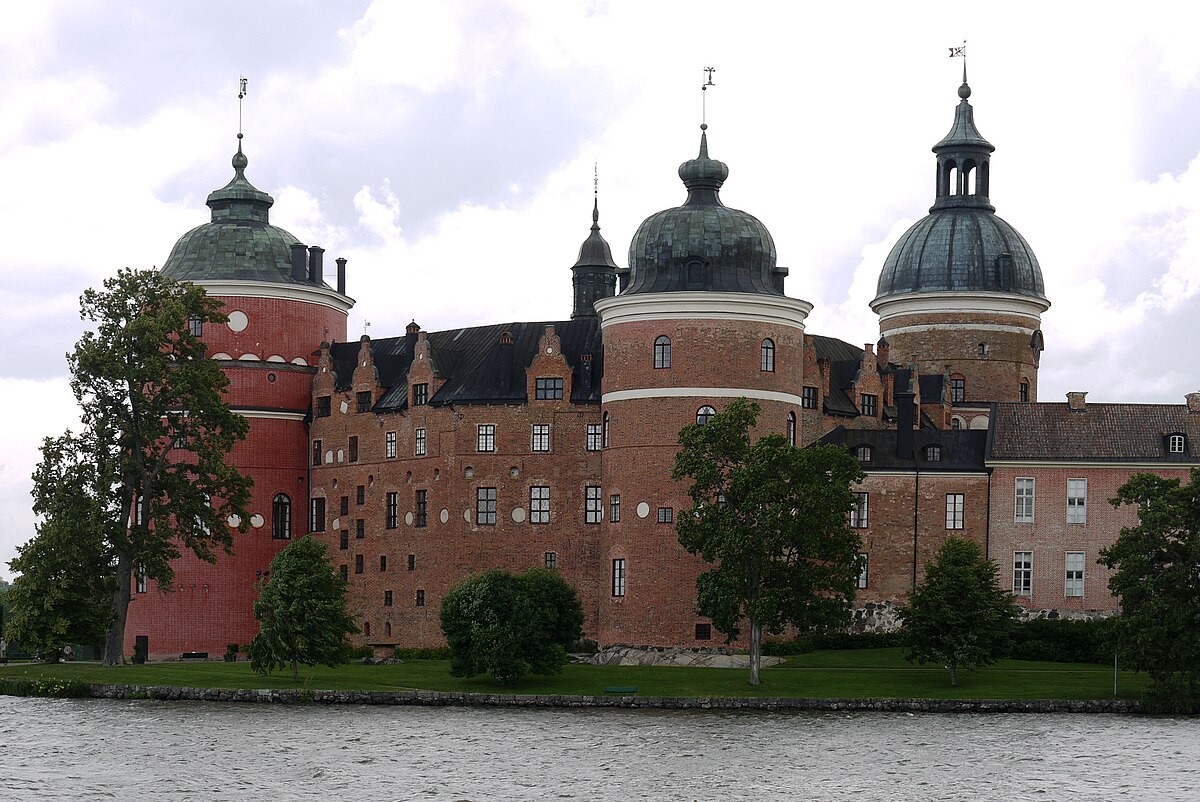
Nestled on the serene shores of Lake Mälaren, Gripsholm Castle stands as a testament to Sweden’s enduring royal heritage—a magnificent edifice that whispers tales of centuries past. More than just stone and mortar, it's a repository of artistic brilliance and cultural significance, attracting visitors from across Europe eager to immerse themselves in its captivating story.
Originally conceived as a formidable fortress by Bo Jonsson Grip in the late 14th century, Gripsholm underwent a dramatic transformation under King Gustav Vasa in the 16th century. Vasa envisioned it not merely as defense but as a symbol of national pride—a Renaissance palace reflecting Sweden’s ambition and artistic aspirations. The resulting four-winged structure, adorned with graceful rounded corner towers, embodies this vision perfectly.
A Treasure Trove of Portraits: The National Portrait Gallery
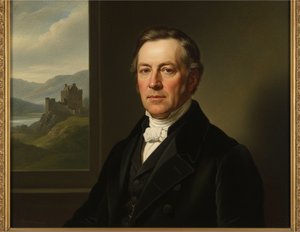
Perhaps Gripsholm Castle's most celebrated achievement is its unparalleled collection of portraits—over 4500 artworks spanning from the 16th century to the present day. This extraordinary gallery showcases faces that have defined Swedish identity and culture, offering glimpses into the lives of kings, queens, statesmen, artists, and intellectuals.
The meticulous detail in each portrait reflects the Renaissance fascination with humanism—a deliberate effort to capture not just physical likeness but also character and spirit. Artists like Rembrandt and Rubens graced Gripsholm’s halls, leaving behind masterpieces that continue to inspire awe and admiration. The portraits are arranged chronologically, allowing visitors to trace the evolution of Swedish artistic style and social customs.
Architecture: A Symbol of Vasa Power
The castle's architecture is dominated by its imposing central tower—a testament to Gustav Vasa’s determination to establish Sweden as a dominant force in Europe. Constructed primarily from limestone, it rises majestically above the surrounding landscape, commanding attention and conveying an aura of regal authority.
Inside, visitors can explore lavishly decorated halls adorned with frescoes depicting mythological scenes and royal portraits—a visual feast that underscores the grandeur of Vasa’s reign. The castle's design incorporates elements of Gothic Revivalism alongside Renaissance principles, reflecting a desire to express both solemn piety and aristocratic elegance.
Gustav III’s Theatre: A Stage for Royalty
Located within one of Gripsholm Castle’s towers, Gustav III’s Theatre stands as a remarkable survivor—one of Europe’s best-preserved 18th-century theatres. Commissioned by King Gustav III, a fervent supporter of the arts and theatre, this intimate venue hosted performances for the royal court, fostering intellectual discourse and artistic creativity.
The theatre's architectural design reflects the Baroque style—characterized by grandeur, symmetry, and theatrical illusion—creating an atmosphere that transported audiences to another realm. Visiting Gripsholm Castle today allows one to contemplate the legacy of Gustav III’s vision for Swedish culture. The painted set is still intact, as are the decorative elements around the seats and balconies.
A Unique Perspective: Reflections on Swedish Identity
Gripsholm Castle serves as a poignant reminder of Sweden's rich artistic heritage—a place where visitors can contemplate the nation’s history through the lens of art and royal patronage. Its enduring appeal lies not only in its architectural splendor but also in its ability to evoke emotions and inspire contemplation about themes of power, beauty, and human aspiration.