

Un Santuario di Luce e Legato
Nel cuore silenzioso di Sudbury, dove il paesaggio inglese conserva la sua intramontabile grazia pastorale, sorge Gainsborough's House—una profonda testimonianzione del potere duraturo del patrimonio artistico britannico. Questo non è semplicemente un museo; è una cronaca vivente, un santuario storico che offre uno sguardo raro sulla genesi stessa di un'epoca definita da ritrattistica magistrale e paesaggi evocativi. Varcare la sua soglia significa intraprendere un viaggio nel tempo, passando attraverso robuste porte in quercia che sussurrano origini medievali verso la raffinata eleganza della grandezza georgiana. La casa stessa, con radici architettoniche che risalgono all'incirca al 1520, ha vissuto una magnifica evoluzione, riflettendo la prosperità mutevole e i gusti cambiati dei secoli. Mentre ci si addentra in stanze d'epoca meticolosamente restaurate, l'atmosfera di una nobile dimora del diciottesimo secolo inizia a respirare, fornendo un contesto sociale inestimabile che illumina gli anni formativi del suo abitante più celebre, Thomas Gainsborough.
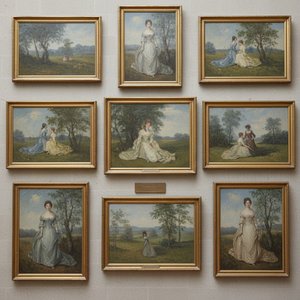
L'anima di questo museo risiede nella sua connessione intima, quasi spirituale, con la storia personale dell'artista. Fu proprio tra queste mura che un giovane Gainsborough incontrò per la prima volta le sottili sfumature del paesaggio del Suffolk—i delicati mutamenti della luce su un prato e il carattere segnato dal tempo impresso sui volti degli abitanti locali—che sarebbero in seguito diventati gli elementi fondanti della sua visione senza pari. La collezione illustra magnificamente questo arco evolutivo, mettendo in mostra ritratti iconici che catturano la compostezza e lo status sociale dei soggetti, insieme a paesaggi mozzafiato che rivelano un profondo legame con la campagna inglese. Per il collezionista esperto o l'amante dell'arte, ammirare queste opere nell'ambiente stesso che le ha nutrite offre una risonanza emotiva e un senso di continuità storica che nessuna grande galleria metropolitana può replicare.
Maestria Tecnica e Meraviglie Curate
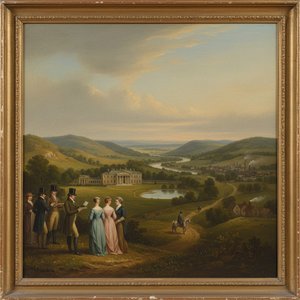
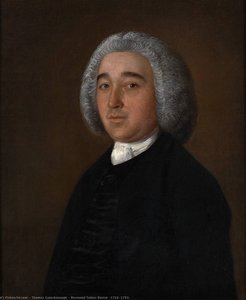
Tra i punti salienti più affascinanti della collezione vi è l'opportunità di testimoniare da vicino la maestria tecnica di Gainsborough. Non ci si può non emozionare davanti a opere come “Wooded River Landscape with Figures on a Bridge,” , un esempio quintessenziale del suo stile distintivo. In tali pezzi, lo spettatore può osservare la sua pennellata libera e ritmica e la delicata stratificazione di velature traslucide che creano un senso di luminosità atmosferica. Questa tecnica permette alla luce e all'ombra di danzare sulla superficie, trasmettendo una profondità emotiva che trascende la mera rappresentazione. Il museo invita inoltre a un ricco dialogo tra generazioni, presentando mostre che esplorano le opere di contemporanei come Constable e di artisti le cui traiettorie furono per sempre alterate dall'influenza duratura di Gainsborough. Un gioiello degno di nota nella collezione è la sua magistrale raffigurazione di Mr Prowse (1708–1767) , un ritratto iconico del 1760 che esemplifica la capacità dell'artista di catturare sia la dignità sociale che il carattere umano.
Per l'interior designer o il viaggiatore curioso, Gainsborough's House offre un'esperienza sensoriale senza pari che si estende ben oltre le cornici dorate dei suoi dipinti. Il museo trascende l'approccio tradizionale e distaccato all'arte, favorendo un ambiente intimo in cui i visitatori possono connettersi con l'artista su un livello profondamente umano. Oltre la tela, si può scoprire la Camera Obscura , che offre una finestra affascinante sulla primitiva strumentazione scientifica, o trovare sollievo nel Landscape Studio, che regala viste panoramiche sul pittoresco scenario di Sudbury. Che si tratti di esplorare reperti personali—lettere e schizzi che sussurrano i pensieri privati dell'artista—o di godersi un momento di riflessione nel caffè del museo, ogni elemento della casa è progettato per celebrare l'intersezione tra arte, storia e comunità. Rimane un faro per coloro che cercano di comprendere come un singolo, prezioso luogo possa nutrire un'eredità che continua a ispirare il mondo intero.