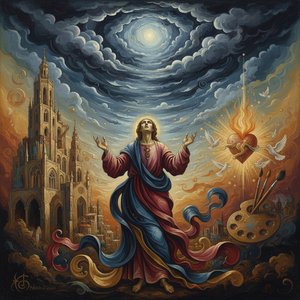
Un Santuario di Luce e Ombra: L'Eredità di El Greco
Immersa nelle antiche e labirintiche mura di Toledo, in Spagna—una città coronata da una magnifica cattedrale e intrisa di secoli di profonda storia—si trova la Capilla de San José. Questo intimo santuario trascende la semplice definizione di spazio architettonico; è un pellegrinaggio artistico senza pari. Più che un semplice edificio adornato di affreschi, questa cappella incarna lo spirito singolare e visionario di Domenikos Theotokolo, universalmente noto come El Greco. Varcare la sua soglia significa lasciare alle spalle il mondo moderno per entrare nel cuore di una rivoluzione del Rinascimento spagnolo, dove ogni pennellata funge da testimonianza di un artista che ha irrevocabilmente trasformato la pittura europea attraverso l'uso drammatico del colore e un inquietante spessore psicologico.
Il cuore della cappella è innegabilmente definito dalla sua straordinaria collezione di capolavori di El Greco, opere che pulsano di un'intensità viscerale. Non ci si può non lasciarsi commuovere dal peso spirituale di Cristo in Agonia sulla Croce , dove la figura tormentata domina la composizione, immersa in una luminescenza eterea che parla eloquentemente di sofferenza e redenzione. Questa maestria della luce è altrettanto evidente nell' Incoronazione della Vergine , un monumentale altare che mette in mostra la capacità di El Greco di fondere le influenze bizantine con un nascente realismo rinascimentale. Queste opere non sono semplici immagini statiche; sono narrazioni cariche di emozione, progettate per ispirare una profonda contemplazione e stupore in chiunque le osservi.
Armonia Architettonica e lo Spirito del Rinascimento
Oltre alla brillantezza individuale di El Greco, la Capilla de San José funge da squisito microcosmo del più ampio movimento del Rinascimento spagnolo. Durante quest'epoca, gli artisti cercavano un delicato equilibrio tra il recupero degli ideali classici e l'espressione di un intenso fervore religioso—una dualità che si realizza magnificamente negli elementi decorativi della cappella. La meticolosa attenzione al dettaglio, dalle ornamentazioni in stucco dorato ai panneggi accuratamente resi, riflette un profonda adesione ai principi umanistici insieme a una devota pietà. L'interno è dominato da magnifici affreschi, eseguiti con cura in tonalità vibranti che sembrano brillare dall'interno, creando un'atmosfera in cui il divino si percepisce tangibilmente presente.
L'architettura stessa privilegia la creazione di un ambiente favorevole alla contemplazione artistica e spirituale. Sebbene i precisi piani architettonici storici rimangano elusivi, le proporzioni e l'orientamento della cappella sono chiaramente una scelta deliberata, pensata per esaltare l'esperienza dello spettatore di fronte all'opera d'arte. L'altare, un complesso insieme scultoreo, cattura l'attenzione con i suoi intricati intagli e la sua simbologia, dimostrando l'eccezionale abilità di El Greco sia come pittore che come progettista. Egli possedeva una rara capacità di orchestrare diversi elementi visivi in un unico, armonioso insieme, dove scultura, pittura e spazio convergono.
Una Destinazione Senza Tempo per l'Occhio Esigente
La storia della Capilla de San José è indissolubilmente legata agli anni formativi di El Greco a Toledo. Arrivato in Spagna intorno al 1577, attratto dal patrocinio delle nobili famiglie e dalle ambizioni artistiche della cattedrale, El Greco trovò in questa cappella un progetto che avrebbe consolidato la sua reputazione come uno dei più grandi artisti della sua epoca. Nel corso della sua storia, la cappella ha anche ospitato significative esposizioni accademiche, dove studi recenti hanno illuminato nuove prospettive sulle tecniche di El Greco ed esplorato i suoi legami con le correnti intellettuali più ampie del Rinascimento.
Ciò che distingue la Capilla de San José dagli altri musei è la sua impareggiabile concentrazione di capolavori di El Greco. Essa offre un privilegio raro: la possibilità di immergersi nell'evoluzione stilistica dell'artista e cogliere il profondo impatto che egli ha esercitato sulla traiettoria della storia dell'arte europea. Per l'amante dell'arte, il collezionista o il designer d'interni in cerca di ispirazione nel sublime, questa cappella non è solo un luogo dove vedere dipinti; è un luogo dove sentirsi avvolti da uno spirito visionario che continua a perseguitare e ispirare l'immaginazione moderna.