Buckingham Palace: A Royal Residence Steeped in History
Buckingham Palace isn’t merely a building; it's an enduring symbol of British monarchy, tradition, and national identity—a living testament to centuries of royal history and artistic patronage. Stepping through its grand doors is like traveling back in time, encountering the echoes of countless coronations, celebrations, and quiet moments within its opulent walls. Originally conceived as a modest townhouse for the Duke of Buckingham in 1703 on a site that had been in private ownership for at least 150 years. It was acquired by George III in 1761 as a private residence for Queen Charlotte and became known as The Queen's House. During the 19th century it was enlarged by architects John Nash and Edward Blore who masterfully reshaped the building into the iconic facade we recognize today—a harmonious blend of neoclassical elegance and regal grandeur. The East Front, with its instantly recognizable balcony, became a focal point for royal appearances, witnessing countless moments of national significance. Beyond this landmark, Nash’s additions created a sprawling courtyard complex, housing state rooms designed to impress foreign dignitaries and host grand receptions. The Palace’s evolution reflects not just architectural trends but also the evolving tastes and priorities of successive monarchs – from the lavish interiors championed by George IV to the more restrained elegance favored during later reigns.
Architectural Marvel:
Designed by John Nash, Buckingham Palace embodies the grandeur of neoclassical architecture, blending symmetry and proportion with meticulous detailing. Its central courtyard and expansive wings showcase innovative engineering techniques for the time, reflecting the ambition of its patrons.
A Changing Landscape:
From humble beginnings as a private residence to becoming the official London home of the British monarch in 1837 under Queen Victoria, Buckingham Palace has undergone significant transformations throughout history, adapting to evolving social and political contexts.
The Royal Collection: A Treasure Trove of Artistic Excellence
At its heart lies The Royal Collection—one of the world’s most prestigious art holdings, comprising over 7,000 paintings, sculptures, jewelry, and decorative arts amassed across generations. These artworks represent a remarkable testament to royal patronage and artistic taste, reflecting the evolving cultural landscape of Europe from the Renaissance to the present day. The Collection's diversity spans genres—portraiture, landscape painting, history painting, still life—and encompasses artists from across continents, including Rembrandt, Van Dyck, Rubens, Canaletto, Vermeer, and many others. Each piece tells a story—a narrative of artistic innovation, royal ambition, and cultural exchange.
Rembrandt’s Portraits:
Admire masterpieces by Rembrandt van Rijn, renowned for his dramatic use of light and shadow, capturing the psychological depth of his subjects with unparalleled sensitivity.
Van Dyck's Elegance:
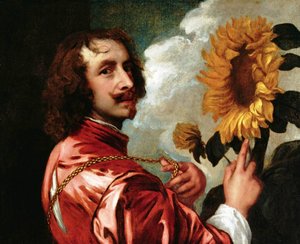
Explore portraits by Anthony Van Dyck, a leading portrait painter of the Elizabethan era, embodying aristocratic grace and sophistication.
Rubens’ Dynamic Composition:
Marvel at paintings by Peter Paul Rubens, celebrated for his dynamic compositions and vibrant colors, exemplifying Baroque artistry.
Exploring the State Rooms: A Journey Through Royal History
The State Rooms are among Buckingham Palace's most iconic spaces, used for official ceremonies and state visits—a stage for pivotal moments in British history. Illuminated by magnificent stained glass windows and adorned with opulent decorations—from gilded ceilings to intricately carved stucco—these rooms reflect the tastes and aspirations of successive monarchs. Each detail has been carefully chosen to create an atmosphere of grandeur and prestige, transporting visitors back to bygone eras.
The Throne Room:
Witness the ceremonial coronation ceremonies held in this room, adorned with symbols of royal authority and steeped in tradition.
The Ballroom:
Imagine lavish balls hosted by monarchs throughout history—a celebration of social grace and diplomatic engagement.
Beyond the Walls: The Gardens of Buckingham Palace
Step outside the palace walls into the expansive Royal Gardens—a tranquil oasis offering respite from the bustle of London. Established in 1761 by George III, these gardens represent a harmonious blend of formal landscaping and natural beauty—a testament to royal horticultural expertise. Explore ancient mulberry trees planted by James I, commemorating the palace’s origins as a garden, and wander along meticulously manicured lawns and ornamental lakes.
The Waterloo Vase:
Admire this monumental floral display created in honor of Queen Victoria's Diamond Jubilee—a symbol of British resilience and artistic achievement.
A Living Palace: Tradition, Innovation, and Royal Life
Buckingham Palace continues to serve as the administrative headquarters of the British monarch and remains a focal point for national celebrations—hosting ceremonial events like Trooping the Colour and Fly-Past celebrations. Throughout its history, it has embraced innovation while upholding traditions—opening its doors to public access and fostering educational programs that inspire curiosity and appreciation for art and royal heritage. Visiting Buckingham Palace offers an unforgettable glimpse into Britain’s past, present, and future—a journey through architectural grandeur, artistic excellence, and the enduring legacy of the British monarchy.
A cura del team editoriale di OriginalUniqueArt.com
Quiz d'arte
Per ogni domanda è presente una sola risposta corretta.
Domanda 1:
Qual è la città dove si trova Buckingham Palace?
Domanda 2:
Buckingham Palace è principalmente:
Domanda 3:
Chi ha commissionato la costruzione iniziale di Buckingham House?
Domanda 4:
Quale architetto è responsabile della trasformazione di Buckingham House nel palazzo che conosciamo oggi?
Domanda 5:
I Giardini Reali di Buckingham Palace sono famosi per: