
Una Sinfonia di Fede e Innovazione Architettonica
La Basilica di Sant’Antonio a Padova si erge come una profonda testimonianza di secoli di devozione e come un'extraordinaria convergenza di stili architettonici—un vero e proprio palinsesto inciso nel paesaggio della regione Veneto. Fondata poco dopo la morte di Sant'Antonio nel 1231, la sua concezione iniziale rispecchiava gli austeri ideali dell'ordine francescano, manifestandosi come Santa Maria Mater Domini prima di trasformarsi rapidamente nel sito di pellegrinaggio più venerato d'Italia. Oggi, la Basilica si presenta come un edificio che sfida ogni facile categorizzazione, riflettendo una storia stratificata punteggiata dalla solidità romanica, dall'aspirazione gotica e dal misticismo bizantino. Questa fusione unica crea un linguaggio visivo diverso da qualsiasi altro in Europa, dove la natura pesante e radicata delle sue prime fondamenta incontra le qualità eteree e ascendenti delle sue aggiunte successive.
Il viaggio architettonico attraverso la Basilica è un percorso di continua evoluzione. Le campate della navata sono scandite da archi slanciati e volte a costoloni che rendono un deliberato omaggio alle grandi cattedrali della Francia, creando un'atmosola di solenne contemplazione e altezza spirituale. Eppure, alzando lo sguardo, si incontrano le magnifiche cupole di influenza bizantina che riecheggiano lo splendore della Basilica di San Marco a Venezia. Queste cupole conferiscono una qualità ultraterrena allo spazio interno, simboleggiando un ponte tra l'umano e il divino. A dominare il paesaggio esterno è la monumentale Statua Equestre del Gattamelata di Donatello, un capolavoro che cattura non solo l'orgoglio civico di Padova, ma incarna anche gli ideali umanistici che fiorivano durante il Rinascimento, ancorando il luogo sacro alla più ampia rinascita culturale dell'epoca.
Capolavori di Bronzo e Affresco
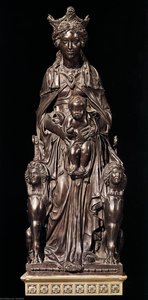
La vera anima della Basilica risiede nelle sue intime cappelle, dove i tesori artistici del Rinascimento illuminano il ricco patrimonio culturale di Padova. Le opere di Donatello, uno degli scultori più influenti del XV secolo, sono particolarmente mozzafiato. La sua Madonna col Bambino in bronzo, creata per l'Altare Maggiore nel 1448, esemplifica lo stile del primo Rinascimento allontanandosi dal rigido tradizismo per presentare una connessione più umana e tenera tra madre e figlio. Allo stesso modo, il suo rilievo bronzeo, il Miracolo del Cuore dell'Avaro , funge da magistrale rappresentazione della fede e della grazia divina, utilizzando la precisione anatomica e l'emozione espressiva per dare vita alla narrazione dell'ascensione miracolosa di Zacccheo.
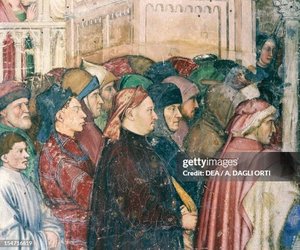
Oltre la brillantezza scultorea, la Basilica offre un incontro profondo con l'uso rivoluzionario della prospettiva attraverso gli affreschi di Andrea Mantegna. All'interno della Lunetta—una piccola cappella che si affaccia su Piazza del Santo—l'opera di Mantegna rappresenta un momento cruciale nella storia dell'arte, catturando l'essenza del pensiero umanista attraverso dettagli meticolosi e profondità spaziale. La Cappella di Sant'Antonio stessa funge da cuore spirituale del complesso, ospitando la tomba del santo adornata con squisiti lavori in marmo e bronzo. Per il collezionista o l'amante dell'arte, queste opere rappresentano molto più di una semplice decorazione; sono profonde intersezioni dove la maestria tecnica incontra la trascendenza spirituale, rendendo la Basilica una destinazione che continua a ispirare meraviglia e a servire come pietra angolare dell'identità artistica europea.