Ritratto di John Frederick Lewis

I 100 dipinti più famosi di John Frederick Lewis, una selezione della galleria

Aggiornato Ottobre 2026 · classificato in base al nostro punteggio di popolarità (ricerche, visite e ordini per ogni opera) · 263 opere di John Frederick Lewis nel nostro catalogo

In breve

Tra tutti gli originali lasciati da John Frederick Lewis, il più famoso è Interno della residenza del Pasha, Nuova Orsova (1838). Subito dopo troviamo Lilium Auratum (1871) e John Clark con gli animali a Sandpit Gate (1825). Il nostro catalogo contiene 263 opere di John Frederick Lewis; la galleria ha conservato le 100 che il mondo ammira di più, ognuna presentata con la sua data, il suo museo e la sua storia.

1805 – 1876, Londra Pittura orientalista Più opere: Yale Center for British Art

I 10 migliori dipinti di John Frederick Lewis: la scelta della galleria

1
Interno della residenza del Pasha, Nuova Orsova (1838) di John Frederick Lewis

Interno della residenza del Pasha, Nuova Orsova

1838 · Litografia

L'opera Interno della residenza del Pasha, Nuova Orsova è un capolavoro di John Frederick Lewis, realizzato nel 1838. Questo pezzo si inserisce pienamente nello stile dell' Orientalismo, riflettendo il profondo coinvolgimento dell'artista verso le realtà domestiche e architettoniche delle regioni di influenza ottomana incontrate durante i suoi viaggi.

2
Lilium Auratum (1871) di John Frederick Lewis

Lilium Auratum

1871 · Olio su tela · Birmingham Museums And Art Gallery, Birmingham

John Frederick Lewis's "Lilium Auratum," painted in 1871, is more than just a depiction of two women amidst a profusion of flowers; it’s a meticulously crafted window into the opulent sensibilities and burgeoning Orientalist movement of Victorian England. This captivating work, housed within the broader context of Lewis’s extensive travels through the Mediterranean and North Africa, offers a rare glimpse into a world of leisure, beauty, and carefully constructed narratives.…

3
John Clark con gli animali a Sandpit Gate (1825) di John Frederick Lewis

John Clark con gli animali a Sandpit Gate

1825 · Olio su tela · Royal Collection, Londra

Nella lussureggiante e verdeggiante distesa di Windsor Great Park, precisamente presso la storica Sandpit Gate, John Frederick Lewis cattura un momento che trascende la semplice pittura di paesaggio per trasformarsi in un profondo tableau della vita britannica del XIX secolo. Completata intorno al 1825, John Clark con gli animali a Sandpit Gate è molto più di un ritratto di un uomo; è una squisita celebrazione della relazione armoniosa, seppur curata,…

La selezione di John Frederick Lewis continua, da 11 a 100

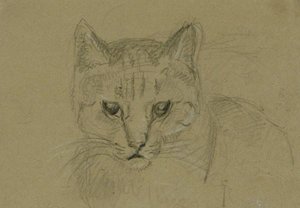
11A Café on the Bosphorus (1838) di John Frederick LewisA Café on the Bosphorus1838 12New Orsova; Exterior of the Pasha'a Residence (1838) di John Frederick LewisNew Orsova; Exterior of the Pasha'a Residence1838 13Yeni Jami, (or Mosque of the New Tomb) (1838) di John Frederick LewisYeni Jami, (or Mosque of the New Tomb)1838 14Tophana (1838) di John Frederick LewisTophana1838 15Asking for Alms (1833) di John Frederick LewisAsking for Alms1833 16Portrait of John Ponsonby, 1st Viscount Ponsonby (1841) di John Frederick LewisPortrait of John Ponsonby, 1st Viscount Ponsonby1841 17Easter Day at Rome (1840) di John Frederick LewisEaster Day at Rome1840 18Lo sceicco Hussein di Gebel Tor e suo figlio (1843) di John Frederick LewisLo sceicco Hussein di Gebel Tor e suo figlio1843 · Yale Center for British Art 19The Pipe Bearer (1856) di John Frederick LewisThe Pipe Bearer1856 · Birmingham Museum and Art Gallery 20A Syrian Sheik, Egypt (1856) di John Frederick LewisA Syrian Sheik, Egypt1856 · Fitzwilliam Museum 21The Doubtful Coin (1869) di John Frederick LewisThe Doubtful Coin1869 · Birmingham Museum and Art Gallery 22The Harem (1876) di John Frederick LewisThe Harem1876 · Birmingham Museum and Art Gallery 23On the Banks of the Nile, Upper Egypt (1876) di John Frederick LewisOn the Banks of the Nile, Upper Egypt1876 · Yale Center for British Art 24Arabian Nights (1876) di John Frederick LewisArabian Nights1876 25Turco seduto (1841) di John Frederick LewisTurco seduto1841 · Yale Center for British Art 26Scuola Araba (1851) di John Frederick LewisScuola Araba1851 · Metropolitan Museum of Art 27Studio di un leone e studio della testa di una leonessa (1820) di John Frederick LewisStudio di un leone e studio della testa di una leonessa1820 · Yale Center for British Art 28Il cortile della casa del Patriarca Copto al Cairo (1864) di John Frederick LewisIl cortile della casa del Patriarca Copto al Cairo1864 · Tate Britain 29Girl with Two Caged Doves di John Frederick LewisGirl with Two Caged Doves 30Highland Hospitality di John Frederick LewisHighland Hospitality 31Un Capo Guardiano, Castello di Windsor (1826) di John Frederick LewisUn Capo Guardiano, Castello di Windsor1826 · Yale Center for British Art 32The Bazaar of the Ghûriyah from the Steps of the Mosque of El-Ghûri, Cairo di John Frederick LewisThe Bazaar of the Ghûriyah from the Steps of the Mosque of El-Ghûri, Cairo 33Una scena di strada a Granada nel giorno della corrida (1833) di John Frederick LewisUna scena di strada a Granada nel giorno della corrida1833 · Yale Center for British Art 34A View Of The Street And Morque Of Ghorreyah, Cairo di John Frederick LewisA View Of The Street And Morque Of Ghorreyah, Cairo 35The Siesta di John Frederick LewisThe Siesta 36Head of a cow di John Frederick LewisHead of a cow 37Il Ramesseum a Tebe (1851) di John Frederick LewisIl Ramesseum a Tebe1851 · Yale Center for British Art 38?A Sketch for `Foresters Stalking Deer' (1824) di John Frederick Lewis?A Sketch for `Foresters Stalking Deer'1824 · Yale Center for British Art 39The Head of a Tigress (felis Tigris). Etching with Engraving (1825) di John Frederick LewisThe Head of a Tigress (felis Tigris). Etching with Engraving1825 40Saint Sophia and Distant View of Sultan Achmet (mosques) (1838) di John Frederick LewisSaint Sophia and Distant View of Sultan Achmet (mosques)1838 41Un araba turca trainata da due buoi bianchi (1841) di John Frederick LewisUn araba turca trainata da due buoi bianchi1841 · Yale Center for British Art 42Seraglio Point (1838) di John Frederick LewisSeraglio Point1838 43Artillery Barracks, Tophana (1838) di John Frederick LewisArtillery Barracks, Tophana1838 44An Interior (1834) di John Frederick LewisAn Interior1834 45Four Women in ann Interior, Brussa, Turkey (1841) di John Frederick LewisFour Women in ann Interior, Brussa, Turkey1841 46The Harem Introduction of an Abyssinian slave (1860) di John Frederick LewisThe Harem Introduction of an Abyssinian slave1860 47An Intercepted Correspondence (1869) di John Frederick LewisAn Intercepted Correspondence1869 48Interno di una casa orientale (1851) di John Frederick LewisInterno di una casa orientale1851 · Yale Center for British Art 49Studio per la Proclamazione di Don Carlos (1838) di John Frederick LewisStudio per la Proclamazione di Don Carlos1838 · Yale Center for British Art 50A hunting scene di John Frederick LewisA hunting scene 51Self-portrait sketch 1 di John Frederick LewisSelf-portrait sketch 1 52Portrait sketch of Mrs Birch di John Frederick LewisPortrait sketch of Mrs Birch 53Face of a lion di John Frederick LewisFace of a lion 54Self-portrait of the artist as a boy di John Frederick LewisSelf-portrait of the artist as a boy 55Head of a lioness 1 di John Frederick LewisHead of a lioness 1 56Sleeping Lion 1 di John Frederick LewisSleeping Lion 1 57Head of a man in profile di John Frederick LewisHead of a man in profile 58A hunting scene in winter di John Frederick LewisA hunting scene in winter 59Portrait sketch of Edwin Landseer di John Frederick LewisPortrait sketch of Edwin Landseer 60Portrait drawing of the artist's grandmother di John Frederick LewisPortrait drawing of the artist's grandmother 61J.F. Lewis by himself on the Rhine di John Frederick LewisJ.F. Lewis by himself on the Rhine 62Earl Grey and his daughter Lady Elizabeth Bulteel di John Frederick LewisEarl Grey and his daughter Lady Elizabeth Bulteel 63A group of three figures, one kneeling, possibly before a shrine di John Frederick LewisA group of three figures, one kneeling, possibly before a shrine 64A sleeping child di John Frederick LewisA sleeping child 65A huntsman with dead deer di John Frederick LewisA huntsman with dead deer 66Head and shoulders of a young woman di John Frederick LewisHead and shoulders of a young woman 67Sheet of rough sketches including a caricature of a monk's head di John Frederick LewisSheet of rough sketches including a caricature of a monk's head 68A woman seated in a rustic interior di John Frederick LewisA woman seated in a rustic interior 69A farm horse di John Frederick LewisA farm horse 70Puma and pug at Exeter Change di John Frederick LewisPuma and pug at Exeter Change 71Scutari di John Frederick LewisScutari 72Portrait sketch of Charles George Lewis di John Frederick LewisPortrait sketch of Charles George Lewis 73A sleeping lion di John Frederick LewisA sleeping lion 74A lion at the 'Old Exeter Change' di John Frederick LewisA lion at the 'Old Exeter Change' 75Sleeping Lion di John Frederick LewisSleeping Lion 76A lioness at the Old Exeter Change di John Frederick LewisA lioness at the Old Exeter Change 77Great Mosque at Brusa di John Frederick LewisGreat Mosque at Brusa 78A man and a boy in rustic dress di John Frederick LewisA man and a boy in rustic dress 79A lioness di John Frederick LewisA lioness 80Sleeping Lion and Lioness di John Frederick LewisSleeping Lion and Lioness 81A man sawing timber di John Frederick LewisA man sawing timber 82The Leaning Tower of Saragoza di John Frederick LewisThe Leaning Tower of Saragoza 83J. F. Lewis by himself di John Frederick LewisJ. F. Lewis by himself 84A young girl di John Frederick LewisA young girl 85Contrabbandieri (1836) di John Frederick LewisContrabbandieri1836 · British Museum 86At Uncle Charles the Binder di John Frederick LewisAt Uncle Charles the Binder 87Windsor Castle di John Frederick LewisWindsor Castle 88Fountain from the Gate of the Seraglio di John Frederick LewisFountain from the Gate of the Seraglio 89Mule and Muleteer di John Frederick LewisMule and Muleteer 90Head of a lion 1 di John Frederick LewisHead of a lion 1 91Cannon Foundry, Tophane di John Frederick LewisCannon Foundry, Tophane 92Head of a cat di John Frederick LewisHead of a cat 93The Coffee Bearer di John Frederick LewisThe Coffee BearerManchester Art Gallery 94Farm workers resting di John Frederick LewisFarm workers resting 95The entrance to the Great Mosque at Bursa, Turkey di John Frederick LewisThe entrance to the Great Mosque at Bursa, Turkey 96Portrait di John Frederick LewisPortrait 97Brusa di John Frederick LewisBrusa 98Study of three Turks at Bursa di John Frederick LewisStudy of three Turks at Bursa 99Arab School di John Frederick LewisArab School 100A Halt in the Desert di John Frederick LewisA Halt in the Desert

I dipinti più famosi di John Frederick Lewis, periodo per periodo

I soggetti che hanno catturato lo sguardo di John Frederick Lewis

I quattro soggetti che ricorrono più spesso in questi originali, ognuno con il suo esempio più raffinato.

I musei che conservano gli originali di John Frederick Lewis

I 8 musei che ospitano la maggior parte dei dipinti presenti in questa pagina.

Musei Città Opere di John Frederick Lewis Dipinti di questo elenco
Yale Center for British Art, New HavenYale Center for British Art New Haven 28 Lo sceicco Hussein di Gebel Tor e suo figlio, On the Banks of the Nile, Upper Egypt, Turco seduto
Birmingham Museum and Art Gallery, BirminghamBirmingham Museum and Art Gallery Birmingham 4 The Pipe Bearer, The Doubtful Coin, The Harem
Metropolitan Museum of Art, New YorkMetropolitan Museum of Art New York 3 Scuola Araba
Tate Britain, LondraTate Britain Londra 2 Il cortile della casa del Patriarca Copto al Cairo
British Museum, LondraBritish Museum Londra 2 Contrabbandieri
Birmingham Museums And Art Gallery, BirminghamBirmingham Museums And Art Gallery Birmingham 1 Lilium Auratum
Royal Collection, LondraRoyal Collection Londra 1 John Clark con gli animali a Sandpit Gate
Fitzwilliam MuseumFitzwilliam Museum 1 A Syrian Sheik, Egypt

John Frederick Lewis decennio per decennio: l'originale che definisce ogni epoca

Opere per decennio

Scegli un decennio per scoprire l'opera originale che lo ha definito.

Domande dei collezionisti sulle opere di John Frederick Lewis

Per quale opera è più famoso John Frederick Lewis?Scopri la risposta

Interno della residenza del Pasha, Nuova Orsova (1838). Seguono Lilium Auratum (1871) e John Clark con gli animali a Sandpit Gate (1825).

Che età aveva John Frederick Lewis quando è stata realizzata Interno della residenza del Pasha, Nuova Orsova?Scopri la risposta

33 anni: Interno della residenza del Pasha, Nuova Orsova risale al 1838, e John Frederick Lewis è nato/a nel 1805.

Quali sono i dieci dipinti più famosi di John Frederick Lewis?Scopri la risposta

Interno della residenza del Pasha, Nuova Orsova, Lilium Auratum, John Clark con gli animali a Sandpit Gate, A Gondolier, Venice, Return of the Sultan Mahmoud from the Mosque, Sketches of a trip to Spain: Capilla de Villaviciosa, Bulgarian Village, the Port of Constantinople, Sweet Waters (in Asia) e Turkish Female. La classifica sopra riporta l'anno e il museo di ciascuna opera.

Quante opere ha lasciato John Frederick Lewis?Scopri la risposta

Il nostro catalogo comprende 263 opere di John Frederick Lewis, datate da 1820 a 1876.

In quali musei sono esposti i capolavori di John Frederick Lewis?Scopri la risposta

Principalmente in Yale Center for British Art (New Haven), Birmingham Museum and Art Gallery (Birmingham) e Metropolitan Museum of Art (New York). La tabella dei musei sopra li elenca tutti.

In quali anni John Frederick Lewis ha dipinto le sue opere più famose?Scopri la risposta

In 1830s: 20 delle 100 opere in questa pagina sono state realizzate in quel periodo, tra cui Interno della residenza del Pasha, Nuova Orsova.

Quali sono le prime e le ultime opere originali famose di John Frederick Lewis?Scopri la risposta

In questa pagina, il più antico risale al Studio di un leone e studio della testa di una leonessa (1820) e il più recente al The Harem (1876).

Quali soggetti ha scelto più spesso John Frederick Lewis?Scopri la risposta

Animals (9), Portraits (6) e Paesaggio (5), tra le 100 opere in questa pagina.

Quale tecnica ha utilizzato maggiormente John Frederick Lewis?Scopri la risposta

Acquerello, per 6 delle 100 opere in questa pagina.

A quale movimento artistico appartiene John Frederick Lewis?Scopri la risposta

Pittura orientalista, a giudicare dagli originali presenti in questa pagina.

Quali opere di John Frederick Lewis sono esposte al Yale Center for British Art?Scopri la risposta

Lo sceicco Hussein di Gebel Tor e suo figlio, On the Banks of the Nile, Upper Egypt e Turco seduto: il Yale Center for British Art, New Haven custodisce 11 delle opere presenti in questa pagina.

John Frederick Lewis: vita e opera

John Frederick Lewis: Una Vita Pittorica Orientalista

Primi Anni di Vita e Formazione

John Frederick Lewis, un illustre pittore orientalista inglese, nacque il 14 luglio 1804 a Londra. Era figlio di Frederick Christian Lewis, incisore e pittore paesaggista. Questo background familiare artistico ha indubbiamente influenzato il suo sviluppo iniziale. La sua formazione formale iniziò sotto la guida di Sir Thomas Lawrence, dove affinò le sue abilità insieme ad altri artisti come Edwin Landseer. Questo periodo fondativo gli instillò una solida comprensione della tecnica e della composizione.

Carriera Artistica e Sviluppo

La carriera artistica di Lewis si è sviluppata attraverso diverse fasi distinte, ciascuna caratterizzata da stili in evoluzione e focus tematici:

  • Periodo Orientalista: Lewis intraprese ampie viaggi nella regione mediterranea, catturando la sua essenza con dettagliate opere a acquarello e olio. Spesso rielaborava le composizioni, rendendole attraverso diversi mezzi.
  • Influenze Spagnole e Marocchine (1832-1834): Un tour in Spagna e Marocco si è rivelato cruciale. Ha prodotto numerosi litografie successivamente pubblicate come “Sketches and Drawings of the Alhambra” (1835) e “Lewis’s Sketches of Spain and Spanish Character” (1836).
  • Periodo Egiziano (1841-1851): Il suo soggiorno a Cairo è stato probabilmente il periodo più produttivo. Qui ha perfezionato il suo stile orientalista, creando opere dettagliate che mostrano sia scene di genere realistiche che rappresentazioni idealizzate degli interni egizi dell'alta borghesia.

Opere Notabili

Lewis creò un ampio corpo di lavoro celebrato per il suo meticoloso dettaglio e atmosfera evocativa. Alcune delle sue opere più riconosciute includono:

  • A Bedouin (Yale Center for British Art, New Haven) – Un acquarello che esemplifica il suo stile orientalista.
  • The Ramesseum at Thebes (Yale Center for British Art, New Haven) – Che mostra la sua notevole attenzione ai dettagli architettonici.
  • A Young Turkish Woman (Yale Center for British Art, New Haven) – Un altro esempio sorprendente del suo lavoro orientalista.
  • Harem Life in Constantinople - Un dipinto a olio dettagliato che rappresenta la vita domestica ottomana.

Influenze e Stile Artistico

Lo stile di Lewis è stato plasmato da diverse influenze, in particolare l'enfasi di Sir Thomas Lawrence sulla pittura a ritratto e composizione. Tuttavia, la sua osservazione diretta delle culture mediorientali gli ha permesso di sviluppare un'estetica unica caratterizzata da:

  • Meticoloso Dettaglio: Un impegno per rappresentare accuratamente tessuti, motivi ed elementi architettonici.
  • Ricca Gamma Cromatica: Impiego di tonalità vibranti ispirate ai paesaggi e agli abiti che ha incontrato.
  • Scene di Genere & Viste Interne: Concentrazione sulla vita quotidiana e su ambientazioni domestiche intime.

Eredità e Significato Storico

Il contributo di Lewis al mondo dell'arte risiede nel suo ruolo significativo nello sviluppo della pittura orientalista. Le sue rappresentazioni meticolose dell'architettura islamica, dei mobili e degli abiti hanno stabilito nuovi standard di realismo all'interno del genere. Ha contribuito a diffondere una visione romantica ma dettagliata del Medio Oriente tra il pubblico occidentale. Dopo essere tornato in Inghilterra nel 1851, ha continuato a dipingere fino alla sua morte il 15 agosto 1876 a Walton-on-Thames.

La sua opera viene ancora studiata e ammirata per il suo valore artistico e la sua preziosa intuizione storica sulla percezione dell'Oriente del XIX secolo.