Ritratto di John Ferneley

Dipinti di John Ferneley: i 86 più famosi, attraverso lo sguardo di una galleria

Aggiornato Ottobre 2026 · classificato in base al nostro punteggio di popolarità (ricerche, visite e ordini per ogni opera) · 106 opere di John Ferneley nel nostro catalogo

In breve

Per la galleria, il dipinto più famoso di John Ferneley è Il signor Powell e suo figlio, con Norton, un cavallo da caccia grigio (1816). The Council of Horses (from John Gay's 'Fables') (1850) e William Rutson (1791–1867), on a Grey Hunter (1820) completano il trio che ogni occhio riconosce. Dei 106 lavori di John Ferneley nel nostro catalogo, la galleria presenta di seguito i 86 più famosi, ognuno originale con il proprio anno, il proprio museo e ciò che lo rende unico.

1782 – 1860, Thrussington Neoclassicism Più opere: Yale Center for British Art

I 10 migliori dipinti di John Ferneley nella galleria

1
Il signor Powell e suo figlio, con Norton, un cavallo da caccia grigio (1816) di John Ferneley

Il signor Powell e suo figlio, con Norton, un cavallo da caccia grigio

1816 · Olio su tela

Un uomo in abito formale e cilindro si erge accanto a suo figlio, una composizione che ancora lo spettatore alle gerarchie sociali del 1816. Accanto a loro, un cavallo bianco, identificato come il cavallo da caccia grigio Norton, offre un brillante contrappunto verticale alle figure umane. La scena è popolata da ulteriori presenze, tra cui una persona all'estrema sinistra e un'altra vicino al centro, creando la sensazione di un'assemblea riunita.…

2
The Council of Horses (from John Gay's 'Fables') (1850) di John Ferneley

The Council of Horses (from John Gay's 'Fables')

1850 · Oil On Canvas · National Trust, Derby

The woods hold a quiet assembly. Under a canopy of leaves, horses of varying shades—brown, white, black, and red—gather in a clearing. They do not gallop. Instead, they stand in a stillness that feels heavy with intent. Some graze upon the forest floor, their heads lowered to the earth, while others remain upright, watching. Two birds occupy the periphery, one near the upper left and another toward the bottom right,…

Dipinti di John Ferneley, classificati dal 11 all' 86

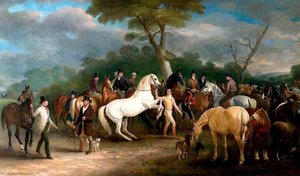
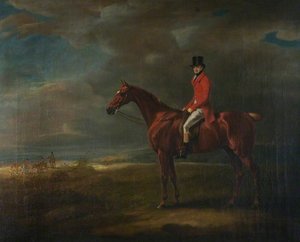
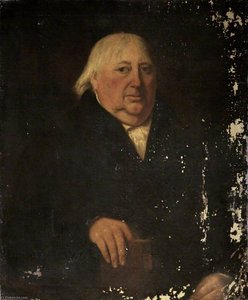
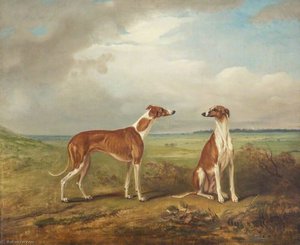
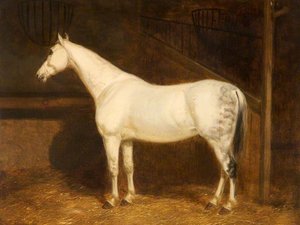
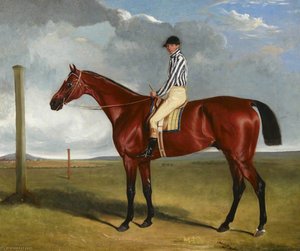
11The Burton Hunt (1830) di John FerneleyThe Burton Hunt1830 · Usher Gallery 12The Rev. and Mrs. Henry Palmer with their six younger children at Withcote Hall, Near Oakham, Leicestershire (1838) di John FerneleyThe Rev. and Mrs. Henry Palmer with their six younger children at Withcote Hall, Near Oakham, Leicestershire1838 · Yale Center for British Art 13William Massey-Stanley driving his Cabriolet in Hyde Park (1833) di John FerneleyWilliam Massey-Stanley driving his Cabriolet in Hyde Park1833 · Yale Center for British Art 14Edward Horner Reynard and his Brother George Grouse-Shooting At Middlesmoor, Yorkshire, with Their Gamekeeper Tully Lamb (1836) di John FerneleyEdward Horner Reynard and his Brother George Grouse-Shooting At Middlesmoor, Yorkshire, with Their Gamekeeper Tully Lamb1836 · Yale Center for British Art 15A Groom (Frank Spence) with Two Ponies and Two Greyhounds in a Landscape (1837) di John FerneleyA Groom (Frank Spence) with Two Ponies and Two Greyhounds in a Landscape1837 · National Trust 16The Drag of Sir Watkin Williams Wynn (1843) di John FerneleyThe Drag of Sir Watkin Williams Wynn1843 · Yale Center for British Art 17Thomas Wilkinson, M.F.H., with the Hurworth Foxhound (1846) di John FerneleyThomas Wilkinson, M.F.H., with the Hurworth Foxhound1846 · Yale Center for British Art 18Two Children with a Hurdy Gurdy (1847) di John FerneleyTwo Children with a Hurdy Gurdy1847 · Nuovo Museo di New Walk - Galleria d’Arte 19Carthorses with Grooms at a Fair (1856) di John FerneleyCarthorses with Grooms at a Fair1856 20Un cacciatore grigio bardato in un box (1854) di John FerneleyUn cacciatore grigio bardato in un box1854 · National Trust 21Melton Mowbray Horse Fair di John FerneleyMelton Mowbray Horse FairNuovo Museo di New Walk - Galleria d’Arte 22Fox and Duck (1813) di John FerneleyFox and Duck1813 · Castello di Sizergh 23A Groom and Two Hunters (1820) di John FerneleyA Groom and Two Hunters1820 · Nunnington Hall 24Sir Robert Leighton after Coursing, with a Groom and a Couple of Greyhounds (1816) di John FerneleySir Robert Leighton after Coursing, with a Groom and a Couple of Greyhounds1816 25Thomas Strickland (1792–1835), and Horse in the Hunting Field (1819) di John FerneleyThomas Strickland (1792–1835), and Horse in the Hunting Field1819 · Castello di Sizergh 26The Quorn Hunt (1819) di John FerneleyThe Quorn Hunt1819 · Walker Art Gallery 27Dr Thomas Ford (1820) di John FerneleyDr Thomas Ford1820 · Nuovo Museo di New Walk - Galleria d’Arte 28Archibald (1794–1832), Lord Kennedy, Later Earl of Cassillis, on a Hunter (1819) di John FerneleyArchibald (1794–1832), Lord Kennedy, Later Earl of Cassillis, on a Hunter1819 · The National Trust For Scotland 29Portrait of an Unknown Man (said to be Joseph Fry) (1816) di John FerneleyPortrait of an Unknown Man (said to be Joseph Fry)1816 · Bristol Museum - Galleria d'Arte 30A Chestnut Horse in a Stable (1829) di John FerneleyA Chestnut Horse in a Stable1829 31Study of a Saddled Bay Hunter (1828) di John FerneleyStudy of a Saddled Bay Hunter1828 · Yale Center for British Art 32John, Henry and Francis Grant at Melton (1823) di John FerneleyJohn, Henry and Francis Grant at Melton1823 · Nuovo Museo di New Walk - Galleria d’Arte 33Mr Green's Bay Mare (1825) di John FerneleyMr Green's Bay Mare1825 · Nuovo Museo di New Walk - Galleria d’Arte 34Lieutenant Henry Fortescue (1824) di John FerneleyLieutenant Henry Fortescue1824 35Heaton Park Races (also known as In the Paddock) (1829) di John FerneleyHeaton Park Races (also known as In the Paddock)1829 36A Bay Hunter in a Stable (1829) di John FerneleyA Bay Hunter in a Stable1829 · Museo del National Trust 37Mr Pare's Coachman with a Newfoundland Dog (1823) di John FerneleyMr Pare's Coachman with a Newfoundland Dog1823 · Nuovo Museo di New Walk - Galleria d’Arte 38A Prize Ox in a Landscape (1831) di John FerneleyA Prize Ox in a Landscape1831 · National Trust 39'Orion', a Chestnut Hunter Outside a Stable (1831) di John Ferneley'Orion', a Chestnut Hunter Outside a Stable1831 · Museo Brooke Robinson 40Two Greyhounds and a Dead Hare (1824) di John FerneleyTwo Greyhounds and a Dead Hare1824 · National Trust 41Chestnut Hunter before a Stable (1825) di John FerneleyChestnut Hunter before a Stable1825 · Casa Colonica di Sudbury 42A Pair of Greyhounds (1824) di John FerneleyA Pair of Greyhounds1824 · Walker Art Gallery 43Portrait of the Artist and His Family in His Studio (1823) di John FerneleyPortrait of the Artist and His Family in His Studio1823 44Lieutenant Henry Fortescue (1798–1876) (1824) di John FerneleyLieutenant Henry Fortescue (1798–1876)1824 · Museo Nazionale Marittimo 45Sir John Palmer on His Favourite Mare with His Shepherd, John Green, and His Prize Leicester Longwool Sheep (1823) di John FerneleySir John Palmer on His Favourite Mare with His Shepherd, John Green, and His Prize Leicester Longwool Sheep1823 46The Ferneley Family Pew in Melton Mowbray Parish Church, Leicestershire (1828) di John FerneleyThe Ferneley Family Pew in Melton Mowbray Parish Church, Leicestershire1828 · Nuovo Museo di New Walk - Galleria d’Arte 47Hunt Scurry (1832) di John FerneleyHunt Scurry1832 48John Burgess of Clipstone, Nottinghamshire, on a Favourite Horse, with his Harriers (1838) di John FerneleyJohn Burgess of Clipstone, Nottinghamshire, on a Favourite Horse, with his Harriers1838 49Hunter in a Landscape (1839) di John FerneleyHunter in a Landscape1839 · Nuovo Museo di New Walk - Galleria d’Arte 50John Burgess of Clipstone, Nottinghamshire, on a Favourite Horse, with his Harriers (1838) di John FerneleyJohn Burgess of Clipstone, Nottinghamshire, on a Favourite Horse, with his Harriers1838 51Defiance, a Brood Mare, with Reveller, a Foal (1833) di John FerneleyDefiance, a Brood Mare, with Reveller, a Foal1833 52Major Healey, Wearing Raby Hunt Uniform, Riding with the Sedgefield Hunt (1833) di John FerneleyMajor Healey, Wearing Raby Hunt Uniform, Riding with the Sedgefield Hunt1833 53Major Healey, Wearing Raby Hunt Uniform, Riding with the Sedgefield Hunt (1833) di John FerneleyMajor Healey, Wearing Raby Hunt Uniform, Riding with the Sedgefield Hunt1833 54'General Chasse' on the Course at Aintree (1835) di John Ferneley'General Chasse' on the Course at Aintree1835 · Walker Art Gallery 55'Lofty', a Skewbald Carriage Horse, with a Greyhound (1837) di John Ferneley'Lofty', a Skewbald Carriage Horse, with a Greyhound1837 · National Trust 56The Opening of the Leicester and Swannington Railway (The Arrival of the First Train at Bagworth, 17 July 1832) (1832) di John FerneleyThe Opening of the Leicester and Swannington Railway (The Arrival of the First Train at Bagworth, 17 July 1832)1832 57A Bay Hunter Called 'Queen Mab' outside Calke Abbey (1842) di John FerneleyA Bay Hunter Called 'Queen Mab' outside Calke Abbey1842 · National Trust 58Gentleman in a Red Coat on a Bay Hunter (1840) di John FerneleyGentleman in a Red Coat on a Bay Hunter1840 · Walker Art Gallery 59A Dappled Grey Hunter Called 'Spangle' and a Terrier Called 'Reveller' (1843) di John FerneleyA Dappled Grey Hunter Called 'Spangle' and a Terrier Called 'Reveller'1843 · National Trust 60Two Horses and a Dog (1845) di John FerneleyTwo Horses and a Dog1845 61Archery Meeting in Bradgate Park, Leicestershire (1850) di John FerneleyArchery Meeting in Bradgate Park, Leicestershire1850 · Yale Center for British Art 62Lieutenant Colonel Sir Robert Tolver Gerard, Bt, and His Regiment, the Lancashire Hussars, on Parade (1851) di John FerneleyLieutenant Colonel Sir Robert Tolver Gerard, Bt, and His Regiment, the Lancashire Hussars, on Parade1851 · Museo della Guardia del Duca di Lancaster 63Grooms and Horses in front of Calke Abbey (1850) di John FerneleyGrooms and Horses in front of Calke Abbey1850 · National Trust 64Longford Lass and the Jew (1853) di John FerneleyLongford Lass and the Jew1853 65Lieutenant Colonel Sir Robert Tolver Gerard, Bt, and His Regiment, the Lancashire Hussars, on Parade (1851) di John FerneleyLieutenant Colonel Sir Robert Tolver Gerard, Bt, and His Regiment, the Lancashire Hussars, on Parade1851 · Museo della Guardia del Duca di Lancaster 66A Group of Ponies in the Park (1850) di John FerneleyA Group of Ponies in the Park1850 67Longford Lass and the Jew (1853) di John FerneleyLongford Lass and the Jew1853 · Fitzwilliam College 68A Group of Ponies in the Park (1850) di John FerneleyA Group of Ponies in the Park1850 · National Trust 69A Strawberry Roan Mule and Two Lurchers in a Stable, and a Stable Lad (1850) di John FerneleyA Strawberry Roan Mule and Two Lurchers in a Stable, and a Stable Lad1850 · National Trust 70Lord Howe's Groom with Gray Hunter di John FerneleyLord Howe's Groom with Gray Hunter 71Master John Marriott on a grey horse, with his sister Annis and their dogs di John FerneleyMaster John Marriott on a grey horse, with his sister Annis and their dogs 72firebird and policy di John Ferneleyfirebird and policy 73A Bay Hunter In A Loose Box di John FerneleyA Bay Hunter In A Loose Box 74A Gentleman Holding Dangerous, the Winner of the 1833 Derby di John FerneleyA Gentleman Holding Dangerous, the Winner of the 1833 Derby 75Mountsorrel, Leicestershire, the Market Place (1842) di John FerneleyMountsorrel, Leicestershire, the Market Place1842 · Nuovo Museo di New Walk - Galleria d’Arte 76The Game Keeper's Larder (1836) di John FerneleyThe Game Keeper's Larder1836 77'Rodolph', a bay hunter, in an extensive landscape di John Ferneley'Rodolph', a bay hunter, in an extensive landscape 78A Jockey On A Chestnut Hunter di John FerneleyA Jockey On A Chestnut Hunter 79A Chestnut Hunter in a Landscape di John FerneleyA Chestnut Hunter in a Landscape 80A Man in Hunt Uniform di John FerneleyA Man in Hunt UniformUpton House 81Solomon, Out of King David di John FerneleySolomon, Out of King David 82A Grey Hunter in a Stable di John FerneleyA Grey Hunter in a StableNational Trust 83A Chestnut Hunter in a Field di John FerneleyA Chestnut Hunter in a FieldNational Trust 84Lincoln High Street, Two Years after the Coming of the Railways di John FerneleyLincoln High Street, Two Years after the Coming of the RailwaysUsher Gallery 85Bay Racehorse and Rider di John FerneleyBay Racehorse and Rider 86A Chestnut Hunter in a Stable di John FerneleyA Chestnut Hunter in a StableNational Trust

I dipinti più famosi di John Ferneley, periodo per periodo

I soggetti che hanno catturato lo sguardo di John Ferneley

I quattro soggetti che ricorrono più spesso in questi originali, ognuno con il suo esempio più raffinato.

I musei che conservano gli originali di John Ferneley

I 8 musei che ospitano la maggior parte dei dipinti presenti in questa pagina.

Musei Città Opere di John Ferneley Dipinti di questo elenco
Yale Center for British Art, New HavenYale Center for British Art New Haven 10 Miss Catherine Herrick with her Nieces and Nephews, the Five Elder Children of the Rev. and Mrs. Henry Palmer, signed and dated 1827, The Quorn Hunt: a Sketch of the Artist and his Friends Moving Off, Euxton, with John White Up, at Heaton Park
National Trust, DerbyNational Trust Derby 9 The Council of Horses (from John Gay's 'Fables'), A Groom (Frank Spence) with Two Ponies and Two Greyhounds in a Landscape, Un cacciatore grigio bardato in un box
Nuovo Museo di New Walk - Galleria d’Arte, LeicesterNuovo Museo di New Walk - Galleria d’Arte Leicester 9 Two Children with a Hurdy Gurdy, Melton Mowbray Horse Fair, Dr Thomas Ford
Walker Art Gallery, LiverpoolWalker Art Gallery Liverpool 4 The Quorn Hunt, A Pair of Greyhounds, 'General Chasse' on the Course at Aintree
National Trust, StockportNational Trust Stockport 3 A Grey Hunter in a Stable, A Chestnut Hunter in a Field, A Chestnut Hunter in a Stable
Nunnington HallNunnington Hall 2 William Rutson (1791–1867), on a Grey Hunter, A Groom and Two Hunters
Usher Gallery, LincolnUsher Gallery Lincoln 2 The Burton Hunt, Lincoln High Street, Two Years after the Coming of the Railways
Castello di Sizergh, KendalCastello di Sizergh Kendal 2 Fox and Duck, Thomas Strickland (1792–1835), and Horse in the Hunting Field

John Ferneley, un dipinto iconico per ogni decennio

Opere per decennio

Scegli un decennio per scoprire l'opera originale che lo ha definito.

I dipinti di John Ferneley: le risposte della galleria

Quale dipinto di John Ferneley è il più famoso di tutti?Scopri la risposta

Il signor Powell e suo figlio, con Norton, un cavallo da caccia grigio (1816). Seguono The Council of Horses (from John Gay's 'Fables') (1850) e William Rutson (1791–1867), on a Grey Hunter (1820).

Che età aveva John Ferneley quando ha completato Il signor Powell e suo figlio, con Norton, un cavallo da caccia grigio?Scopri la risposta

34 anni: Il signor Powell e suo figlio, con Norton, un cavallo da caccia grigio risale al 1816, e John Ferneley è nato/a nel 1782.

Quali sono i 10 dipinti più famosi di John Ferneley?Scopri la risposta

Il signor Powell e suo figlio, con Norton, un cavallo da caccia grigio, The Council of Horses (from John Gay's 'Fables'), William Rutson (1791–1867), on a Grey Hunter, Mr Powell and his Son, with Norton, a Grey Hunter, The Meet of the Keith Hall Foxhounds, Miss Catherine Herrick with her Nieces and Nephews, the Five Elder Children of the Rev. and Mrs. Henry Palmer, signed and dated 1827, The Quorn Hunt: a Sketch of the Artist and his Friends Moving Off, Euxton, with John White Up, at Heaton Park, Duchess e The Quorn at Quenby (sketch). La classifica sopra riporta l'anno e il museo di ciascuna opera.

Quante opere ha creato John Ferneley?Scopri la risposta

Il nostro catalogo comprende 106 opere di John Ferneley, datate da 1813 a 1856.

Dove sono esposti gli originali più famosi di John Ferneley?Scopri la risposta

Principalmente in Yale Center for British Art (New Haven), National Trust (Derby) e Nuovo Museo di New Walk - Galleria d’Arte (Leicester). La tabella dei musei sopra li elenca tutti.

Quando ha realizzato i suoi dipinti più famosi John Ferneley?Scopri la risposta

In 1820s: 23 delle 86 opere in questa pagina sono state realizzate in quel periodo, tra cui William Rutson (1791–1867), on a Grey Hunter.

Quali sono le prime e le ultime opere celebri di John Ferneley?Scopri la risposta

In questa pagina, il più antico risale al Fox and Duck (1813) e il più recente al Carthorses with Grooms at a Fair (1856).

Quali soggetti ha trattato più spesso John Ferneley?Scopri la risposta

Hunting (22), Beach (6) e Men (6), tra le 86 opere in questa pagina.

Qual è la tecnica che John Ferneley ha utilizzato più spesso?Scopri la risposta

Olio su tela, per 2 delle 86 opere in questa pagina.

A quale movimento è associato John Ferneley?Scopri la risposta

Neoclassicism e Realismo contemporaneo, a giudicare dagli originali presenti in questa pagina.

Quali opere originali di John Ferneley sono conservate al Yale Center for British Art?Scopri la risposta

Miss Catherine Herrick with her Nieces and Nephews, the Five Elder Children of the Rev. and Mrs. Henry Palmer, signed and dated 1827, The Quorn Hunt: a Sketch of the Artist and his Friends Moving Off e Euxton, with John White Up, at Heaton Park: il Yale Center for British Art, New Haven custodisce 10 delle opere presenti in questa pagina.

John Ferneley: l'artista

Il Maestro della Caccia Inglese

Nell'età dell'oro dell'arte sportiva britannica, pochi nomi evocano il fragore degli zoccoli e le animate fughe dell'era Regency come John Ferneley I. Nato nel 1782 nel tranquillo villaggio di Thrussington, nel Leicestershire, Ferneley sarebbe diventato un cronista definitivo della campagna inglese. L'opera della sua vita funge da vibrante finestra su un mondo scomparso di ozio aristocratico, dove il ritmo della vita rurale era dettato dalle stagioni e dall'eccitante inseguimento della caccia alla volpe. Studiare una tela di Ferneley significa immergersi nella nebbia di un mattino inglese, percependo l'umidità della rugiada e la tensione palpabile dei segugi in inseguimento.

L'identità artistica di Ferneley fu forgiata attraverso un profondo legame con il paesaggio e gli animali che lo abitavano. La sua formazione iniziale sotto l'egida del stimato Benjamin Marshall gli fornì molto più della semplice competenza tecnica; gli conferì un vocabolario specializzato del movimento. Sotto la guida di Marshall, Ferneello apprese a tradurre sulla tela l'energia pura di un cavallo al galoppo e i sottili mutamenti nella postura di un cavaliere. Questa base gli permise di passare da studente di arte sportiva a maestro delle sue sfumature più complesse, conducendolo infine alla prestigiosa Royal Academy School, dove il suo talento fu affinato per i palcoscenici più illustri della società britannica.

Un'Eredità di Movimento e Dettaglio

La vera brillantezza dell'opera di Ferneley risiede nella sua capacità di bilanciare un realismo meticoloso con un senso del movimento quasi mozzafiato. Le sue composizioni sono raramente statiche; al contrario, pulsano della vitalità della caccia. Egli possedeva una rara comprensione anatomica della muscolatura equina, che gli permetteva di ritrarre con sorprendente accuratezza lo sforzo di un cavallo al massimo della falcata o l'improvviso arresto di una bestia spaventata. Questa dedizione al dettaglio si estese anche all'elemento umano, catturando le varie espressioni dei cacciatori: dall'intensità concentrata del cavaliere esperto all'emozione sospesa dello spettatore.

Nel corso della sua prolifica carriera, Ferneley ottenne il patrocinio dei più alti ranghi della nobiltà britannica. Il suo studio a Melton Mowbray divenne un santuario per coloro che cercavano di immortalare i propri trionfi sportivi. Il suo catalogo è vasto, eppure mantiene una costante risonanza emotiva. Tra i suoi contributi più duraturi al mondo dell'arte si annoverano:

  • The Melton Mowbray Hunt: Un tributo solenne al cuore pulsante delle tradizioni venatorie del Leicestershire.
  • Il sauro 'Firebird' di Lord Henry Bentinck: Uno studio magistrale nel ritratto equino e nel carattere individuale.
  • La Co-Cattedrale di St John: Dimostrazione della sua capacità di passare dall'energia cinetica della caccia a soggetti architettonici più sereni.

Significato Storico e Influenza Duratura

Al di là della mera documentazione dei costumi sociali, l'opera di Ferneley occupa un posto significativo nell'evoluzione della pittura britannica. Sebbene spesso classificato rigorosamente all'interno del genere dell'arte sportiva, il suo approccio alla luce e all'atmosfera preannunciava i mutamenti emergenti nel pensiero artistico che avrebbero successivamente definito il movimento impressionista. Egli non dipingeva semplicemente cavalli; dipingeva l'atmosfera in cui essi si muovevano, catturando le qualità fugaci della luce che filtra tra le foglie autunnali o la pesante oscurità di un pomeriggio invernale.

Guardando indietro alla sua vita, conclusasi nel 1860, vediamo un artista che è riuscito a colmare il divario tra il tradizionale ritratto sportivo e uno stile più espressivo e atmosferico. La sua eredità rimane incisa negli annali della storia dell'arte, fungendo da legame vitale con le tradizioni della piccola nobiltà terriera inglese e offrendo una celebrazione senza tempo del legame tra uomo, cavallo e mondo naturale. Oggi, le sue opere continuano a affascinare collezionisti e storici, ergendosi come monumenti duraturi all'eleganza e al vigore di un'epoca passata.