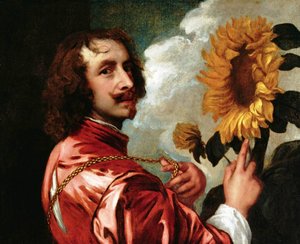
Sir Anthony van Dyck (1599-1641): ritrattista fiammingo di spicco, celebre per i suoi eleganti ritratti dell'aristocrazia europea e della corte inglese. Maestro del Barocco, influenzò profondamente l'arte inglese con opere iconiche come 'Charles I in Tre Posizioni'.
Explore the portraits & architectural watercolors of John Astley (1720-1787), a fashionable English artist known for his patronage & style influenced by Reynolds & Batoni.
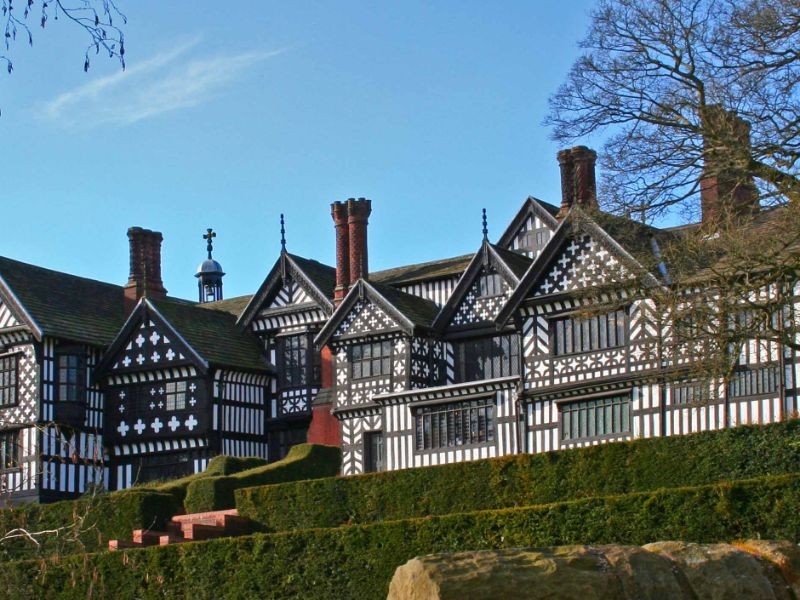
Lyme Park NT – A Tudor Jewel Embraced by Cheshire’s Landscape
Lyme Park is nestled amongst some of Cheshire's most breathtaking scenery—rolling hills dotted with wildflowers, tranquil lakes reflecting the changing seasons, and a vast deer park teeming with wildlife. Established in 1746 by Sir Thomas Grosvenor, the estate evolved into one of Britain’s grandest houses over centuries, becoming synonymous with Tudor elegance and aristocratic heritage. Today, Lyme Park welcomes visitors eager to step back in time and immerse themselves in the splendor of its history.
Architectural Marvel:
The house itself stands as a testament to Palladian design—a symmetrical façade adorned with Corinthian columns and punctuated by arched windows that capture the light beautifully. Its intricate detailing reflects the tastes of successive Grosvenor generations, who continually embellished it with opulent furnishings and artwork.
A Garden for All Seasons:
Lyme Park’s gardens are equally impressive, transforming throughout the year into a kaleidoscope of color and fragrance. From the formal Italianate terraces to the sprawling herbaceous borders and the enchanting Woodland Walk—each space is thoughtfully designed to inspire contemplation and delight visitors.
The Deer Park Legacy:
The estate's deer park—one of Britain’s largest—dates back to the 18th century, when Sir Thomas Grosvenor introduced Red Deer from Scandinavia. Today, over 600 deer roam freely across the parkland, creating a captivating spectacle for observers and contributing significantly to Lyme Park’s ecological diversity.
Historical Significance:
Lyme Park played an important role in British history during both World Wars—serving as a convalescent hospital for wounded soldiers and hosting numerous fundraising events to support the war effort. Its walls have witnessed pivotal moments of national significance, cementing its place in Cheshire's cultural narrative.
Dunham Massey Hall, built in 1768 by Sir George Grosvenor, embodies the spirit of Victorian grandeur—a stately mansion embellished with elaborate stucco decoration and furnished with priceless antiques. Its opulent interiors reflect the tastes of the Grosvenor family during their reign as Dukes of Chester, showcasing exquisite textiles, portraits by renowned artists, and decorative arts that exemplify Victorian craftsmanship.
Floral Extravaganza:
Dunham Massey’s gardens are celebrated for their extraordinary wildflower meadows—a vibrant tapestry of native plants attracting pollinators and creating a haven for wildlife. These meadows represent a conscious effort to revive traditional gardening practices and promote ecological conservation, aligning with the Victorian fascination for natural beauty.
A Tudor Chapel:
The chapel at Dunham Massey is a remarkable architectural achievement—constructed in 1537 during Henry VIII’s Reformation, it stands as one of Britain's oldest surviving Tudor churches. Its soaring vaulted ceilings and stained glass windows evoke a sense of spiritual grandeur, reflecting the religious fervor of the era.
Victorian Art Collection:
Dunham Massey boasts an impressive collection of Victorian artwork—including paintings by Sir Joshua Reynolds, Frederic Leighton, and William Holman Hunt—demonstrating the artistic tastes of the Grosvenor family during their time as Dukes of Chester. These artworks offer insights into Victorian society’s aesthetic sensibilities and cultural values.
Quarry Bank Mill: Industrial Heritage Preserved
Quarry Bank Mill stands as a poignant reminder of Britain's industrial past—a working textile mill that exemplifies the technological innovations and social transformations of the 19th century. Established in 1784 by Samuel Bagnall, the mill employed thousands of workers during its heyday, shaping the economic landscape of Cheshire and contributing to the rise of Manchester as a global center for trade and manufacturing.
Textile Machinery Marvel:
Visitors can explore Quarry Bank’s historic textile machinery—including spinning frames and looms—observing firsthand how cotton yarn was produced during the Industrial Revolution. These machines represent groundbreaking advancements in engineering and craftsmanship, transforming the fabric of British society.
The Apprentice House Legacy:
The Apprentice House—built in 1830 to provide housing for mill workers’ children—stands as a symbol of Victorian social reform—reflecting the Grosvenor family's commitment to improving living conditions for their workforce. Its charming interiors and meticulously preserved furnishings offer glimpses into the daily lives of ordinary people during the Industrial Age.
A Living Landscape:
Quarry Bank’s gardens are equally noteworthy—designed by Harold Peto in 1897, they embody the aesthetic principles of Arts and Crafts architecture—emphasizing natural materials and organic forms. These gardens represent a deliberate rejection of Victorian formality, prioritizing beauty and harmony with the surrounding landscape.
Exploring Cheshire’s Heritage
The National Trust's sites in Cheshire offer visitors an unparalleled opportunity to engage with Britain’s rich cultural heritage—spanning Tudor palaces, Victorian mansions, industrial mills, and wildflower meadows. Each location tells a unique story—reflecting the tastes of influential families, the dynamism of technological innovation, and the enduring beauty of the natural world. Whether you seek architectural grandeur, horticultural inspiration, or historical insight—Cheshire’s National Trust treasures await discovery.
A cura del team editoriale di OriginalUniqueArt.com
Quiz d'arte
Per ogni domanda è presente una sola risposta corretta.
Domanda 1:
Qual è il nome della Fondazione?
Domanda 2:
Dove si trova principalmente la collezione?
Domanda 3:
Qual è uno stile architettonico importante presente nei musei?
Domanda 4:
Chi ha fondato la Fondazione?
Domanda 5:
Qual è una delle opere d'arte più famose conservate nei musei?
Esplora i 25 capolavori della National Gallery di Londra! Van Gogh, Monet, Rembrandt e altri maestri rivivono in storie d'arte uniche. Trova stampe su tela e riproduzioni artistiche per decorare la tua casa con stile. Scopri tutte le opere su OriginalUniqueArt.com
Explore the profound work of Gordon Parks, a groundbreaking photographer who documented American life with unparalleled empathy and artistry. Discover his iconic images & lasting impact on social justice through Life magazine & beyond.
Esplora i 25 capolavori imperdibili della National Gallery di Washington! Scopri la storia di Cézanne, Matisse, Picasso e altri maestri. Trova l'arte perfetta per la tua casa su OriginalUniqueArt.com.