

 Anteprima in scala reale
 Condividi
 Condividi
 Dettagli
 Guida
Guida

 Scarica
 Articoli simili
 Radiografia
 Slideshow
 Statistiche
Initial B with David in Prayer
 Oil On Canvas
- WallArt
- Early Renaissance
 1450
1450- Renaissance
 140.0 x 135.0 cm
 Metropolitan Museum of Art
 Leggi tutto
Riproduzione a olio fatta a mano
Olio su tela dipinto a mano nelle tue dimensioni e con la tua cornice, realizzato su ordinazione dai nostri artisti. ( Passa alle stampe Passa all'immagine digitale)




P118B $10

P118H $10

P118W $10

P438Z $10

P508JH $12

P508YH $12

P805H $10

P805Z $10

P919BZ $10

P919G $10

P919XJ $10

P959ZH $10

P968JZ $12

W106C $8

W218G $10

W218JH $8

W218Y $10

W307PJ $10

W316G $10

W316PJ $8

W316Y $10

W398PJ $8

W4111J $10

W500HY $15

W500JH $15

W692G $12

W849H $8

W940BG $15

W953PJ $8




Scegli tra le nostre dimensioni predefinite, che rispettano le proporzioni originali dell'opera d'arte.

È possibile inserire dimensioni personalizzate per adattare l'opera a una cornice o a uno spazio specifico. Se la dimensione selezionata non corrisponde alle proporzioni dell'immagine originale, provvederemo a ritagliare l'opera o a estendere il dipinto con elementi aggiuntivi dipinti a mano. Un mockup digitale ti sarà inviato per approvazione prima dell'inizio della produzione.
Si prega di notare che l'anteprima a schermo non riflette il ritaglio o l'estensione effettivi. Solo il mockup mostrerà accuratamente la composizione finale.
Sebbene siano disponibili dimensioni personalizzate, consigliamo di selezionare una dimensione dall'elenco predefinito per preservare le proporzioni originali.
Dopo l'ordine, il team di OriginalUniqueArt.com contatterà il cliente via e-mail per ricevere le istruzioni e fornirà un'anteprima del mockup
Consegna in tutto il mondo () in 3/4 settimane anziché nelle normali 5 settimane. (21 Settembre). Nessun compromesso sulla qualità.

Spedizione espressa gratuita in tutto il mondo

Tela in lino di alta qualità

Assicurazione completa sulla spedizione

Garanzia di rimborso dei dazi doganali

Garanzia di perfetta fedeltà cromatica

Politica di reso entro 100 giorni (solo per difetti di fabbricazione)

Garanzia di rimborso al 100%

Sconto per acquisti multipli
 L'opzione vetro è disponibile solo per dimensioni inferiori a 110 cm

Initial B with David in Prayer
Tecnica di riproduzione
Dimensioni della riproduzione
-


Prezzo totale
$ 300
A Moment of Profound Devotion: Zanobi Strozzi's Spiritual Narrative
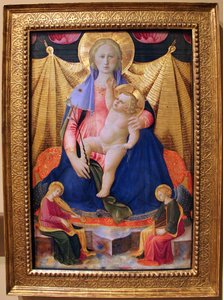
To gaze upon this depiction, Initial B with David in Prayer, is to step directly into the charged atmosphere of the Florentine Renaissance. The scene captures a moment suspended between earthly devotion and divine grace. At its heart kneels a figure, perhaps representing David or another devout soul, whose posture speaks volumes without uttering a single word. His clasped hands and bowed head create an immediate focal point, drawing the viewer into the quiet intensity of personal communion with the sacred. The very act of kneeling suggests humility before something infinitely greater than oneself, a universal human experience rendered with exquisite piety.
Mastery in Early Renaissance Technique
Painted around 1450 by Zanobi Strozzi, this work stands as a testament to his burgeoning genius during the height of Florence's artistic awakening. While the subject matter is deeply spiritual, Strozzi’s handling of paint reveals a sophisticated technical command characteristic of the period. Observe the drapery; it falls with a natural weight, suggesting both the richness of the fabric and the emotional burden or peace carried by the figure. The background elements, including the secondary figures positioned subtly on either side, are not mere decoration but integral parts of the narrative tapestry. Strozzi masterfully balances the intense focus on the central prayer with the necessary context provided by these surrounding lives.
Symbolism and the Human Spirit
The inclusion of the initial letter 'B' alongside the devotional scene suggests a dedication or an inscription, grounding this piece within a specific patronage or textual tradition. Symbolically, the composition speaks to the interplay between individual piety and communal faith. The kneeling figure embodies introspection—the necessary withdrawal from the clamor of daily life to find spiritual clarity. For the modern collector or designer, this artwork offers more than mere decoration; it is an artifact of contemplation. It invites a pause, encouraging the viewer to consider their own moments of quiet reflection amidst the grandeur of life.
Bringing Renaissance Spirituality Home
Reproducing such a significant piece allows one to integrate the profound artistry and spiritual resonance of the Quattrocento into contemporary living spaces. The muted yet rich tones, characteristic of Strozzi’s palette, lend themselves beautifully to various interior décors, adding an immediate layer of cultured depth. Owning a reproduction of this work is not simply acquiring art; it is curating an atmosphere steeped in history, devotion, and the enduring beauty of human aspiration. It serves as a silent, eloquent reminder of timeless faith.
Biografia dell'artista
Il Visionario Fiorentino: La Vita e l'Eredità di Zanobi Strozzi
Nell'epoca d'oro del Rinascimento fiorentino, dove la luce e l'ombra iniziarono a danzare con una nuova profondità umanistica, il nome di Zanobi Strozzi emerse come un filo vitale nel prezioso arazzo artistico della città. Nato nel 1412 nell'illustre famiglia Strozzi, la giovinezza di Zanobi fu plasmata dai profondi mutamenti politici di Firenze. Sebbene la sua stirpe lo legasse alla nobiltà, la morte prematura del padre, quando Zanobi aveva solo quindici anni, lo spinse verso un destino differente. Questo periodo di perdita personale lo condusse nell'abbraccio trasformativo dell'apprendistato sotto Battista di Biagio Sanguigni, una guida che avrebbe infine affinato la sua mano e instillato in lui la precisione tecnica necessaria per padroneggiare la delicata arte dell'illuminazione dei manoscritti e della pittura su tavola.
L'evoluzione artistica di Strozzi era profondamente intrecciata con le correnti spirituali ed estetiche del suo tempo. Il suo legame più significativo, tuttavia, fu l'associazione con il venerato Fra Angelico. In quanto allievo di questo influente cerchio, Strozzi non si limitò a imitare il maestro; assorbì un profondo senso di devozione e un approccio luminoso al colore che sarebbero diventati i tratti distintivi del proprio stile. Questa relazione permise una bellissima convergenza stilistica, in cui la luce eterea e divina tipica di Fra Angelico incontrava l'attenzione meticolosa di Strozzi per il dettaglio. La sua opera riuscì spesso a colmare il divario tra gli intimi mondi in miniatura dei manoscritti miniati e la grandiosa, emotiva presenza delle pale d'altare religiose.
Maestria del Dettaglio e Bellezza Devozionale
L'ampiezza del talento di Strozzi è più evidente nella sua capacità di navigare diverse tecniche con uguale grazia. Fu un maestro della tempera su tavola, un medium che richiedeva immensa pazienza e una mano ferma per ottenere le tonalità vibranti, simili a pietre preziose, visibili nelle sue opere religiose. Il suo repertorio comprendeva diverse pale d'altare significative e ritrazioni toccanti della Vergine con Bambino, opere concepite per evocare una profonda riflessione spirituale nello spettatore. In queste creazioni, Strozzi utilizzò lo stile del primo Rinascimento fiorentino per tessere narrazioni di fede, impiegando transizioni morbide e motivi intricati per infondere vita alle figure sacre.
Oltre alle tavole più grandi, Strozzi raggiunse uno status leggendario attraverso i suoi contributi alla miniatura. La sua capacità di dominare spazi ridotti gli permise di creare mondi in miniatura di una complessità mozzafiato. Tra i suoi successi artistici più notevoli si annoverano:
- Santi Cosma e Damiano salvati dall'annegamento: Un capolavoro del 1435 che cattura un momento toccante di intervento divino, mostrando la sua abilità nel ritrarre la fede comunitaria e il movimento drammatico.
- Sant'Agata: Creata nel 1448, quest'opera esemplifica la sua capacità di rendere sereni ritratti di profilo, incastonati in motivi decorativi vorticosi che esaltano l'eleganza del periodo.
- Libro d'Ore per l'uso di Roma: Una testimonianza della sua maestria come miniaturista, dove ogni foglio funge da finestra sulla meticolosa artigianalità dello scriptorium fiorentino.
Un'Impronta Duratura sul Rinascimento
Il significato storico di Zanobi Strozzi risiede nel suo ruolo di ponte tra la tradizione medievale dell'illuminazione decorativa e il nascente interesse rinascimentale per l'emozione umana e il naturalismo. Sebbene gran parte della sua opera fosse destinata alla devozione privata nelle grandi dimore di Firenze, la sua influenza si propagò attraverso le botteghe della città. Egli contribuì a diffondere un particolare tipo di bellezza fiorentina, una bellezza che era allo stesso tempo intellettualmente rigorosa ed emotivamente accessibile. Attraverso le sue mani, le storie sacre dei santi e della Vergine furono rese con una chiarezza e una vivacità capaci di catturare l'essenza stessa dello spirito del Quattrocento.
Sebbene sia scomparso nel 1468, lasciando un'eredità incisa nella foglia d'oro e nella tempera, Strozzi rimane un simbolo della capacità dell'artista di trovare un significato profondo nell'infinitamente piccolo. La sua vita, segnata dalla transizione da nobile orfano a maestro celebrato, rispecchia la trasformazione della stessa Firenze: un viaggio dalle tradizioni strutturate del passato verso la luminosa, umanocentrica brillantezza del Rinascimento.
Zanobi Strozzi
1412 - 1468 , Italia
Informazioni rapide
- Artistic Movement Or Style: Early Renaissance
- Artists Or Movements Influenced By This Artist: ['Byzantine']
- Artists Who Influenced This Artist: ['Fra Angelico']
- Date Of Birth: 17 novembre 1412
- Date Of Death: 6 dicembre 1468
- Full Name: Zanobi di Benedetto di Caroccio degli Strozzi
- Nationality: Italian Renaissance
- Notable Artworks:
- St Agnes
- Book of Hours for the Use of Rome
- The Annunciation
- Place Of Birth: Firenze, Italia
Articoli correlati
Gerard David: Un Ponte tra Tardo Medioevo e Rinascimento Fiammingo
Esplora la vita e le opere di Gerard David, figura chiave della pittura fiamminga tra Tardo Medioevo e Rinascimento. Analisi approfondita del suo stile innovativo e dell'influenza sui maestri successivi.

Jacques-Louis David: Neoclassicismo, Rivoluzione e l'Arte come Testimonianza di un'Epoca
Esplora la vita e le opere di Jacques-Louis David, il maestro del Neoclassicismo francese. Analisi approfondite dei suoi capolavori rivoluzionari e dell'influenza artistica che ha lasciato un segno indelebile nella storia dell'arte.

David Johnson: A Luminist Master of the Hudson River School & Beyond
Explore the captivating landscapes of David Johnson, a key figure in the Hudson River School & Luminism movement. Discover his artistic evolution, legacy, and how to collect his works with OriginalUniqueArt.

David Cox the Elder: Landscape, Light & the Romantic Vision of Rural England
Explore the captivating landscapes of David Cox the Elder, a pivotal figure in British Romanticism. Discover his masterful watercolour techniques, enduring legacy & find timeless art for your home at OriginalUniqueArt.
David Bomberg: Riscoprendo lo Spirito Pionieristico dell'Astrattismo Iniziale Britannico
Esplora la vita e l'opera di David Bomberg, figura chiave del Vorticismo britannico. Approfondisci le sue influenze artistiche, il suo stile unico e il lascito duraturo nell'arte moderna.
