Expressionism · 1970
Composition (Yi Eungro, 1970)
Yi Eungro (1904–1989) ha realizzato Composition. Risale al 1970. Fa parte del movimento Expressionism. È realizzato in Ink On Paper. È conservata presso il Museo Lee Ungno a Daegu, South Korea. Le dimensioni sono 10 × 14 cm.
- 1970
- Ink On Paper
- 10 × 14 cm
- Museo Lee Ungno, Daegu

 Anteprima in scala reale

 Dipinto a olio fatto a mano
 Invia
 Condividi
 Scheda didattica


 Scarica
 Simili
 Radiografia
 Slideshow
 Domande e risposte

 Statistiche
Composition, in breve
- Titolo
- Composition
- Artista
- Yi Eungro (1904–1989)
- Artista nato a
- Seoul, Corea del Sud
- Date
- 1970
- Tecnica
- Ink On Paper
- Dimensioni
- 10 × 14 cm
- Dove vederlo
- Museo Lee Ungno, Daegu, South Korea
- Movimento
- Expressionism
- Epoca
- Modern
- Soggetto
- abstract composition, stylized figures”, “chaotic scene”, “geometric shapes”, “dynamic lines”, “emotional intensity”
Cosa raffigura Composition?
Identification of Composition by Yi Eungro
The artwork titled Composition was created by the artist Yi Eungro. This specific piece dates to 1968. It is a work that reflects the artist's engagement with abstract forms and expressive mark-making during a period of significant transition in his career.
This piece is currently held at the Lee Ungno Museum in Daegu, South Korea. The museum maintains the work within its permanent collection, preserving the physical state of the ink and paper elements that constitute the piece. The work is categorized within the realm of Korean Expressionism, characterized by its specific approach to line and form.
Visual Elements and Compositional Style
This abstract composition is characterized by a dense and chaotic brushwork that covers the surface. The work utilizes a dark brown palette, creating a tonal range that emphasizes the textured surface of the piece. The application of ink appears heavy and irregular, contributing to a sense of layered depth. This specific approach to texture is a result of the artist's technique of tearing and layering paper or fabric on canvas, which creates a physical relief across the work.
The piece incorporates symbolic imagery and carries a prison art theme. The arrangement of forms lacks a single, central focal point, instead presenting a crowded field of shapes and lines. These elements appear to overlap and recede into one another, creating a sense of spatial tension. The marks are executed with varying degrees of pressure, resulting in thick, expressive lines that define the abstract forms. The overall structure relies on the interaction between these dark, heavy strokes and the underlying material layers.
Where to See This Artwork Today
This specific work is held within the permanent collection of the Lee Ungno Museum. The museum is situated in Daegu, South Korea. It serves as the primary location for viewing this piece in its physical context.
The institution was inaugurated in 2007. It is managed by the Daejeon Metropolitan City government. Visitors seeking to observe the texture and ink application of this composition can find it within this facility in Daegu.
In quale museo si trova Composition?
Museo Lee Ungno
Daegu, South Korea
Una Sinfonia di Inchiostro e Modernità: L'Eredità di Lee Ungno Nel cuore del panorama culturale di Daejeon, il Museo Lee Ungno si erge come una profonda testimonianza del potere trasformativo della visione artistica. Questa istituzione funge da ponte tra le epoche, offrendo uno sguardo raro sull'anima di un uomo che è riuscito a sintetizzare il peso meditativo della pittura a inchiostro orientale con le audaci e sperimentali frontiere del modernismo occidentale. Entrare in questo museo significa immergersi in uno spazio dove le antiche tradizioni della calligrafia coreana incontrano l'energia elettrica dell'espressionismo astratto europeo, creando un dialogo che risuona attraverso le generazioni.
Immagini ad alta risoluzione di Composition

Protetti da copyright: questi file sono per uso personale e non costituiscono una licenza per la ripubblicazione.
Yi Eungro, Composition (1970).
Yi Eungro (1904–1989), Composition, 1970, ink on paper, Museo Lee Ungno, Daegu, South Korea. Immagine di OriginalUniqueArt.com.
Domande su Composition, risposte
Dove è esposta oggi l'opera "Composition" di Yi Eungro?
Puoi ammirare l'originale "Composition" presso il Museo Lee Ungno, Daegu, South Korea.
In che anno è stata creata "Composition" di Yi Eungro?
L'opera "Composition" di Yi Eungro risale al 1970.
Con quale tecnica è realizzato "Composition"?
"Composition" è realizzata con Ink On Paper.
Quali sono le dimensioni dell'originale "Composition"?
L'originale "Composition" di Yi Eungro misura 10 x 14 cm.
Cosa rappresenta "Composition" di Yi Eungro?
I soggetti di "Composition" sono abstract composition, stylized figures”, “chaotic scene”, “geometric shapes”, “dynamic lines”, “emotional intensity”, “fragmented forms”.
L'immagine di "Composition" di Yi Eungro può essere riprodotta liberamente?
Per quanto riguarda il copyright, "Composition" è ancora protetta dal diritto d'autore.
Chi ha creato "Composition"?
L'artista che ha creato "Composition" è Yi Eungro. L'opera è catalogata sotto il nome di Yi Eungro.
A quale stile appartiene "Composition"?
Il movimento associato a "Composition" di Yi Eungro è Expressionism. Questa classificazione colloca l'opera tra artisti e opere d'arte correlati.
A quale periodo della carriera di Yi Eungro appartiene "Composition"?
"Composition" rappresenta il Mature Period di Yi Eungro.
Informazioni sull'artista, Yi Eungro

1904–1989, Corea del Sud
Yi Eungro
Early Life and Training Yi Eungro (이응노), born Lee Ungno in Seoul, South Korea on January 12, 1904, possessed an innate fascination for art from a young age. He received his initial artistic education at Hongseong Botong Hakyo (홍성보통학교, 홍城초등학교, 洪城普通學校), where he honed his skills in classical Chinese calligraphy alongside painting landscapes of Yongbongsan Mountain and Deoksungsan Mountain—a formative experience that instilled in him a lifelong appreciation for Eastern aesthetics. Recognizing his ambition, Lee dedicated himself to mastering painting under Yeomjae Song Tae-hoe (예마재 송태호), a celebrated calligrapher-painter-photographer who profoundly shaped his artistic vision. Artistic Career in Korea and Japan Lee Ungno’s professional journey commenced in Seoul in 1922, where he became an apprentice to Kim Gyujin (김규진), a pivotal figure in Korean art history.
Altre opere di Yi Eungro
 Untitled1969
 I Ching 64 Hexagrams Sequence(澤風大過)1974
 People1979
 Serie dei viaggi di Marco Polo1980
Saggi su Composition
 Pittori coreani del XX secoloScopri l'arte coreana del XX secolo con Yoo Youngkuk e Lee Jung-Seob. Esplora la collezione su OriginalUniqueArt.com.
 Pittori coreani del XXI secoloScopri l'arte coreana del XXI secolo con Lee Bul e Do Ho Suh. Esplora i capolavori su OriginalUniqueArt.com.
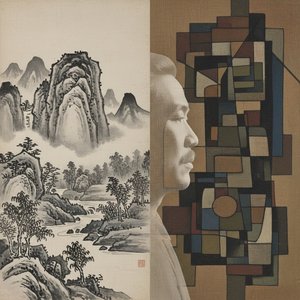 Yi Eungro: Bridging East & West in the Landscape of Korean ModernismExplore the captivating world of Yi Eungro (Lee Ungno), a pivotal figure in Korean modernism. Discover his unique fusion of Eastern and Wes…