1976
Bamboo (Yi Eungro, 1976)
Yi Eungro (1904–1989) ha realizzato Bamboo. Risale al 1976. È conservata presso il Museo Lee Ungno a Daegu, South Korea. Le dimensioni sono 133 × 69 cm.
- 1976
- 133 × 69 cm
- Museo Lee Ungno, Daegu

 Anteprima in scala reale

 Dipinto a olio fatto a mano
 Invia
 Condividi
 Guida


 Scarica
 Simili
 Radiografia
 Slideshow
 Domande e risposte

 Statistiche
Bamboo: l'essenziale
- Titolo
- Bamboo
- Artista
- Yi Eungro (1904–1989)
- Artista nato a
- Seoul, Corea del Sud
- Date
- 1976
- Dimensioni
- 133 × 69 cm
- Dove vederlo
- Museo Lee Ungno, Daegu, South Korea
Cosa raffigura Bamboo?
In quale museo si trova Bamboo?
Museo Lee Ungno
Daegu, South Korea
Una Sinfonia di Inchiostro e Modernità: L'Eredità di Lee Ungno Nel cuore del panorama culturale di Daejeon, il Museo Lee Ungno si erge come una profonda testimonianza del potere trasformativo della visione artistica. Questa istituzione funge da ponte tra le epoche, offrendo uno sguardo raro sull'anima di un uomo che è riuscito a sintetizzare il peso meditativo della pittura a inchiostro orientale con le audaci e sperimentali frontiere del modernismo occidentale. Entrare in questo museo significa immergersi in uno spazio dove le antiche tradizioni della calligrafia coreana incontrano l'energia elettrica dell'espressionismo astratto europeo, creando un dialogo che risuona attraverso le generazioni.
Bamboo ad alta risoluzione

Protetta da copyright: l'immagine è mostrata a scopo illustrativo.
Altre dimensioni, ritagli e citazioni →Yi Eungro, Bamboo (1976), Museo Lee Ungno.
Domande su Bamboo
Dove posso ammirare l'originale di "Bamboo" di Yi Eungro?
"Bamboo" di Yi Eungro è esposta presso Museo Lee Ungno, Daegu, South Korea. La scheda del museo si riferisce all'opera originale e non a riproduzioni.
In che anno è stata creata "Bamboo" di Yi Eungro?
Quali sono le dimensioni dell'originale "Bamboo"?
"Bamboo" misura 133 x 69 cm nella sua forma originale. Le dimensioni originali sono un utile riferimento per scegliere la dimensione di una riproduzione.
"Bamboo" di Yi Eungro è di pubblico dominio?
Quanti anni aveva Yi Eungro quando ha creato "Bamboo" nel 1976?
"Bamboo" di Yi Eungro è di pubblico dominio? E perché?
Lo stato del copyright di "Bamboo" - ancora protetta dal diritto d'autore - è determinato dalla data di morte dell'artista, avvenuta nel 1989.
Informazioni sull'artista, Yi Eungro

1904–1989, Corea del Sud
Yi Eungro
Early Life and Training Yi Eungro (이응노), born Lee Ungno in Seoul, South Korea on January 12, 1904, possessed an innate fascination for art from a young age. He received his initial artistic education at Hongseong Botong Hakyo (홍성보통학교, 홍城초등학교, 洪城普通學校), where he honed his skills in classical Chinese calligraphy alongside painting landscapes of Yongbongsan Mountain and Deoksungsan Mountain—a formative experience that instilled in him a lifelong appreciation for Eastern aesthetics. Recognizing his ambition, Lee dedicated himself to mastering painting under Yeomjae Song Tae-hoe (예마재 송태호), a celebrated calligrapher-painter-photographer who profoundly shaped his artistic vision. Artistic Career in Korea and Japan Lee Ungno’s professional journey commenced in Seoul in 1922, where he became an apprentice to Kim Gyujin (김규진), a pivotal figure in Korean art history.
Altre opere di Yi Eungro
 Untitled1969
 Composition1970
 I Ching 64 Hexagrams Sequence(山風蠱)1974
 People1979
Saggi su Bamboo
 The Metamorphosis of Francisco Goya: From Spanish Courtly Grace to the Introspective Shadows of the SoulExplore Goya's radical shift from Rococo grace to the haunting Black Paintings. Discover the evolution of a Spanish master.
 25 Capolavori da non Perdere alla Biennale di Venezia: Un Viaggio nell'ArteEsplora i 25 capolavori della Biennale di Venezia: un viaggio tra arte contemporanea, installazioni iconiche e maestri dell'avanguardia. Tr…
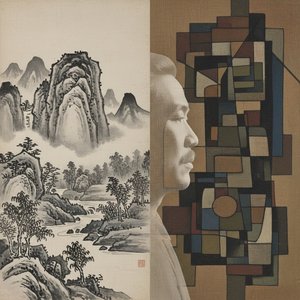 Yi Eungro: Bridging East & West in the Landscape of Korean ModernismExplore the captivating world of Yi Eungro (Lee Ungno), a pivotal figure in Korean modernism. Discover his unique fusion of Eastern and Wes…