
 Anteprima in scala reale
 Condividi
 Condividi
 Dettagli
 Guida stampabile

 Scarica
 Articoli simili
 Radiografia
 Slideshow
 Statistiche
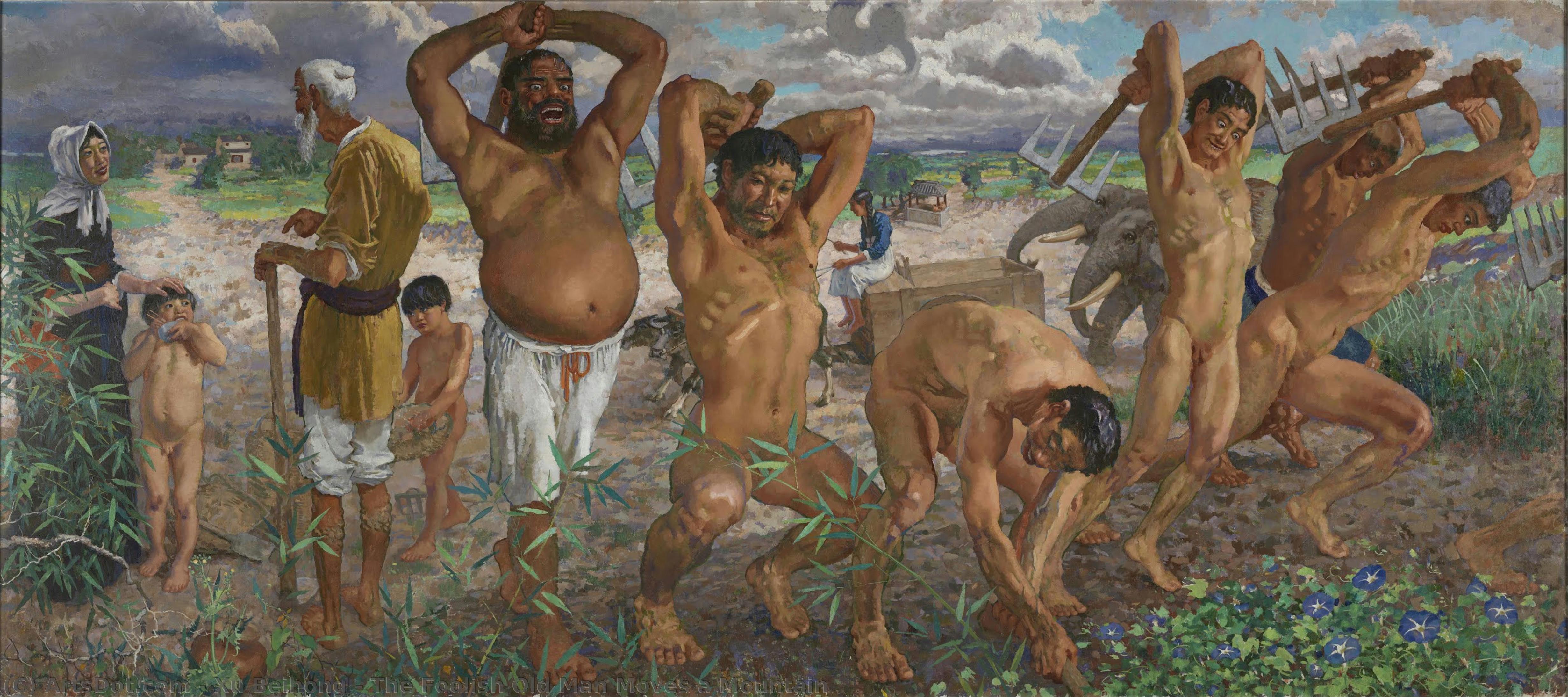
Il vecchio stolto sposta la montagna


 Leggi tutto
Riproduzione a olio fatta a mano
Olio su tela dipinto a mano nelle tue dimensioni e con la tua cornice, realizzato su ordinazione dai nostri artisti. ( Passa alle stampe Passa all'immagine digitale)




P118B $10

P118H $10

P118W $10

P438Z $10

P508JH $12

P508YH $12

P805H $10

P805Z $10

P919BZ $10

P919G $10

P919XJ $10

P959ZH $10

P968JZ $12

W106C $8

W218G $10

W218JH $8

W218Y $10

W307PJ $10

W316G $10

W316PJ $8

W316Y $10

W398PJ $8

W4111J $10

W500HY $15

W500JH $15

W692G $12

W849H $8

W940BG $15

W953PJ $8




Scegli tra le nostre dimensioni predefinite, che rispettano le proporzioni originali dell'opera d'arte.

È possibile inserire dimensioni personalizzate per adattare l'opera a una cornice o a uno spazio specifico. Se la dimensione selezionata non corrisponde alle proporzioni dell'immagine originale, provvederemo a ritagliare l'opera o a estendere il dipinto con elementi aggiuntivi dipinti a mano. Un mockup digitale ti sarà inviato per approvazione prima dell'inizio della produzione.
Si prega di notare che l'anteprima a schermo non riflette il ritaglio o l'estensione effettivi. Solo il mockup mostrerà accuratamente la composizione finale.
Sebbene siano disponibili dimensioni personalizzate, consigliamo di selezionare una dimensione dall'elenco predefinito per preservare le proporzioni originali.
Dopo l'ordine, il team di OriginalUniqueArt.com contatterà il cliente via e-mail per ricevere le istruzioni e fornirà un'anteprima del mockup
Consegna in tutto il mondo () in 3/4 settimane anziché nelle normali 5 settimane. (25 Settembre). Nessun compromesso sulla qualità.

Spedizione espressa gratuita in tutto il mondo

Tela in lino di alta qualità

Assicurazione completa sulla spedizione

Garanzia di rimborso dei dazi doganali

Garanzia di perfetta fedeltà cromatica

Politica di reso entro 100 giorni (solo per difetti di fabbricazione)

Garanzia di rimborso al 100%

Sconto per acquisti multipli
 L'opzione vetro è disponibile solo per dimensioni inferiori a 110 cm

Il vecchio stolto sposta la montagna
Tecnica di riproduzione
Dimensioni della riproduzione
-


Prezzo totale
$ 300
Il Mito della Perseveranza: L'Opera Monumentale di Xu Beihong – “Il Folle Trasforma le Montagne”
“Il Folle Trasforma le Montagne”, dipinta nel 1940 a Darjeeling, India, rappresenta un punto culminante nella carriera artistica di Xu Beihong (1895–1953), uno dei più importanti pittori del XX secolo cinese e figura chiave nell'evoluzione della pittura tradizionale cinese verso nuove forme espressive. Questa opera maestosa è ispirata alla leggenda cinese dello Straniero Saggio (Yugong) – un racconto che celebra la forza dell’anima umana e l’importanza di affrontare gli ostacoli con determinazione incrollabile. Xu Beihong, dopo aver studiato in Francia e Germania tra il 1919 e il 1927, aveva abbracciato una visione artistica innovativa che combinava elementi del Realismo francese con influenze dell'Espressionismo tedesco, creando un nuovo linguaggio visivo capace di comunicare emozioni profonde.- Storia e Mito: La leggenda dello Straniero Saggio narra di un uomo anziano determinato a spostare due montagne che bloccano il percorso verso Sud, nonostante le risate e gli scetticismi degli altri abitanti del luogo. Questa storia simbolica è stata utilizzata da Mao Zedong nel suo discorso del 1945 per esprimere la fiducia nella capacità del popolo cinese di superare ogni difficoltà.
- Influenza Filosofica: Il racconto dello Straniero Saggio riflette i principi fondamentali della filosofia taoista, che enfatizzano l'importanza dell'armonia con la natura e la fiducia nel potere dell’energia interna per trasformare il mondo esterno. Xu Beihong aveva scelto questo mito come modello per comunicare un messaggio di speranza e resilienza ai suoi contemporanei durante la Seconda Guerra Sino-Giapponese.
- Stile Artistico: Xu Beihong applicò tecniche del Realismo francese alla pittura cinese, creando opere caratterizzate da una rappresentazione dettagliata della realtà con colori vivaci e pennellate vigorose. Questo stile innovativo contribuì a rinnovare l'immagine della Cina nel mondo occidentale e ad affermare la potenza dell’arte come strumento di cambiamento sociale.
- Tecnica Pittorica: L’opera è realizzata in olio su tela utilizzando una tecnica complessa che prevede l'applicazione di strati sottili di colore per ottenere effetti luminosi e ombre profondi. Xu Beihong utilizzò un metodo innovativo che combinava elementi della pittura tradizionale cinese con nuove tecniche occidentali, creando un linguaggio visivo unico nel suo genere.
- Simbolismo: Il gruppo di uomini nudi rappresentati nella tela simboleggia la forza fisica e mentale necessaria per affrontare le sfide della vita quotidiana. Inoltre, il gesto dei personaggi – ovvero lo spostamento delle montagne – rappresenta l'aspirazione alla trasformazione e alla creazione di un nuovo ordine sociale.
Biografia dell'artista
A Pioneer Bridging Worlds: The Life and Art of Xu Beihong
Xu Beihong, born Xu Shoukang in 1895 in the tranquil town of Yixing, Jiangsu province, stands as a monumental figure in 20th-century Chinese art. His life was a compelling narrative of artistic evolution, dedicated to forging a new path for Chinese painting—one that harmoniously blended the rich traditions of his homeland with the innovations of Western art. From humble beginnings steeped in classical learning and traditional brushwork under the tutelage of his father, Xu Dazhang, a struggling artist himself, young Beihong’s early life was marked by both artistic promise and economic hardship. This formative period instilled within him not only technical skill but also a deep appreciation for Chinese culture and a resilient spirit that would define his career. The family's itinerant existence, painting portraits and landscapes to make ends meet, exposed him to the realities of rural China and fueled an early ambition to elevate the status of art and artists. A pivotal moment arrived when he adopted the name “Beihong,” meaning "sad wild goose," a reflection perhaps of his youthful anxieties and aspirations.The European Awakening: Forging a New Artistic Vision
Driven by a thirst for knowledge and a desire to modernize Chinese art, Xu Beihong embarked on a transformative journey to Europe in 1917. Initially studying in Tokyo, he soon secured a coveted scholarship to the prestigious École Nationale Supérieure des Beaux-Arts in Paris. This period proved crucial in shaping his artistic philosophy and technique. Immersed in the heart of European art, he meticulously studied oil painting and drawing, mastering Western principles of perspective, composition, and realism. While embracing these new techniques, Xu Beihong remained critical of certain modernist trends prevalent at the time, favoring instead the classical traditions he encountered. He adopted the French name "Ju Péon" during his stay, a testament to his immersion in European culture. However, it was not merely technical skill that he sought; he aimed to understand the underlying principles of Western art and adapt them to revitalize Chinese painting—a vision articulated in his later writings and teachings. This period laid the foundation for his unique artistic style, characterized by a powerful synthesis of Eastern aesthetics and Western techniques. He spent years studying the works of masters like Ingres and Delacroix, absorbing their meticulous attention to detail and their ability to capture fleeting moments of emotion. His time in Paris wasn’t just about imitation; it was about understanding *why* these artists succeeded, and how he could apply those principles to his own work while retaining a distinctly Chinese sensibility.Iconic Motifs and Artistic Style: A Synthesis of East and West
Upon returning to China in 1927, Xu Beihong embarked on a prolific career marked by groundbreaking works that captured the spirit of a nation undergoing profound change. He quickly became renowned for his dynamic depictions of horses and birds—motifs that transcended mere representation to become powerful symbols of strength, freedom, and national pride. His horses, in particular, are celebrated for their muscularity, energy, and expressive power, often depicted galloping across vast landscapes with a sense of untamed spirit. Galloping Horse, perhaps his most iconic work, embodies this perfectly—a testament to the vitality and resilience of the Chinese people. The painting is not simply a portrait of a horse; it’s an embodiment of China's spirit, its power, and its connection to the land. Beyond these signature subjects, Xu Beihong also excelled in portraiture and historical painting, demonstrating his mastery of both oil painting and traditional ink wash techniques. His style was characterized by a unique blend of bold brushstrokes, precise delineation, and a masterful command of light and shadow. He seamlessly integrated Western perspective and composition into the fluidity of Chinese brushwork, creating a visual language that was both innovative and deeply rooted in tradition. Foolish Old Man Who Removed the Mountains, inspired by a traditional Chinese fable, exemplifies his ability to imbue classical themes with modern energy and social commentary. The painting’s layered symbolism speaks volumes about the challenges of progress and the importance of respecting ancient wisdom.Legacy and Influence: Shaping Modern Chinese Art Education
Xu Beihong’s impact extended far beyond his own artistic creations; he was also a pioneering art educator who profoundly shaped the development of modern Chinese art education. After returning to China, he held teaching positions at several prestigious universities, including National Central University and Peking University, where he tirelessly advocated for curriculum reform. He championed the incorporation of Western sketching and oil painting techniques into traditional Chinese art programs, believing that this integration was essential for revitalizing Chinese artistic expression. His approach wasn’t about abandoning tradition; rather, it was about building upon it—taking the best elements of both Eastern and Western art to create something entirely new. Following the founding of the People's Republic of China in 1949, he became president of the Central Academy of Fine Arts and chairman of the China Artists Association, further solidifying his influence on the nation’s artistic landscape. He trained generations of artists who went on to become leading figures in Chinese art, carrying forward his vision of a modern yet culturally grounded aesthetic. Xu Beihong's emphasis on artistic conception, the importance of life experiences, and the integration of Eastern and Western traditions left an indelible mark on Chinese art history, cementing his legacy as one of its most influential figures. His work continues to inspire artists and captivate audiences worldwide, serving as a powerful reminder of the enduring power of art to bridge cultures and transcend boundaries.Major Achievements
Throughout his career, Xu Beihong achieved numerous significant milestones that cemented his place in art history:- Early Recognition: He gained early recognition for his portraiture skills, capturing the likenesses of prominent figures in Chinese society.
- European Scholarship: His receipt of a prestigious scholarship to study at the École Nationale Supérieure des Beaux-Arts in Paris marked a pivotal moment in his artistic development.
- Monumental Oil Paintings: He pioneered the creation of monumental oil paintings depicting epic scenes from Chinese history and mythology, showcasing his mastery of Western techniques while retaining a distinctly Chinese aesthetic.
- Art Education Reform: As president of the Central Academy of Fine Arts, he spearheaded reforms in art education, advocating for the integration of Western sketching and oil painting into traditional Chinese curricula.
- International Exhibitions: He organized and participated in numerous international exhibitions, showcasing his work to a global audience and promoting Chinese art abroad.

Xu Beihong
1895 - 1953 , Cina
Informazioni rapide
- Artistic Movement Or Style: Pittura cinese moderna
- Artists Or Movements Influenced By This Artist: ['Artista occidentale']
- Date Of Birth: Luglio 19, 1895
- Date Of Death: Settembre 26, 1953
- Full Name: Xu Beihong
- Nationality: Cinese
- Notable Artworks:
- Cavallo galoppante
- Vecchio stolto...
- Madre e figlia
- Ritratto di Xu
- Place Of Birth: Yixing, Cina
Articoli correlati

I 10 Capolavori del Realismo Romantico che hanno Incantato la Storia dell'Arte
Esplora l'emozione del Realismo Romantico attraverso 10 capolavori senza tempo. Scopri la storia di maestri come Constable e Friedrich e lasciati ispirare da opere iconiche per il tuo arredamento. Trova riproduzioni d'arte di qualità museale su OriginalUniqueArt.com.
The Poetic Truth of Observation: Exploring 19th-Century Realism in Painting
Explore the captivating world of 19th-century Realism! Discover key artists like Courbet & Millet, masterpieces, and the powerful social commentary behind this influential art movement. Expert insights at OriginalUniqueArt.
Realism in Art: A Professional Guide to Authentic Detail and Lifelike Masterpieces for Large-Scale Interior Projects
Master the use of Realism in professional interiors. This expert guide explores 19th-century masterpieces, offering procurement managers and designers technical insights into selecting authentic, hand-painted oil reproductions for high-end hotel and corporate projects.

The Evocative Embrace of Reality: Exploring Romantic Realism in 19th-Century Painting
Explore the captivating world of Romantic Realism! Discover key artists like Courbet & Millet, masterpieces, and the social context behind this influential art movement. Expert insights for collectors at OriginalUniqueArt.
Echoes of Society: Exploring Social Realism's Enduring Legacy in Art
Explore the powerful world of Social Realism art! Discover key artists, masterpieces & its profound social commentary. Expert insights into this influential movement's history and enduring legacy.

