

 Anteprima in scala reale
 Condividi
 Condividi
 Dettagli

 Scarica
 Articoli simili
 Radiografia
 Slideshow
 Statistiche
William III (1650–1702)
 1689
1689 250.0 x 120.0 cm
 County Hall
 Leggi tutto
Riproduzione a olio fatta a mano
Olio su tela dipinto a mano nelle tue dimensioni e con la tua cornice, realizzato su ordinazione dai nostri artisti. ( Passa alle stampe Passa all'immagine digitale)




































Scegli tra le nostre dimensioni predefinite, che rispettano le proporzioni originali dell'opera d'arte.

È possibile inserire dimensioni personalizzate per adattare l'opera a una cornice o a uno spazio specifico. Se la dimensione selezionata non corrisponde alle proporzioni dell'immagine originale, provvederemo a ritagliare l'opera o a estendere il dipinto con elementi aggiuntivi dipinti a mano. Un mockup digitale ti sarà inviato per approvazione prima dell'inizio della produzione.
Si prega di notare che l'anteprima a schermo non riflette il ritaglio o l'estensione effettivi. Solo il mockup mostrerà accuratamente la composizione finale.
Sebbene siano disponibili dimensioni personalizzate, consigliamo di selezionare una dimensione dall'elenco predefinito per preservare le proporzioni originali.
Dopo l'ordine, il team di OriginalUniqueArt.com contatterà il cliente via e-mail per ricevere le istruzioni e fornirà un'anteprima del mockup
Consegna in tutto il mondo () in 3/4 settimane anziché nelle normali 5 settimane. (13 Settembre). Nessun compromesso sulla qualità.

Spedizione espressa gratuita in tutto il mondo

Tela in lino di alta qualità

Assicurazione completa sulla spedizione

Garanzia di rimborso dei dazi doganali

Garanzia di perfetta fedeltà cromatica

Politica di reso entro 100 giorni (solo per difetti di fabbricazione)

Garanzia di rimborso al 100%

Sconto per acquisti multipli
 L'opzione vetro è disponibile solo per dimensioni inferiori a 110 cm

William III (1650–1702)
Tecnica di riproduzione
Dimensioni della riproduzione
-


Prezzo totale
$ 300
Biografia dell'artista
Wolfgang William Claret: A Shadowy Figure of the 18th Century Court
Wolfgang William Claret, a name largely obscured by the passage of time, remains a fascinating enigma within the annals of 18th-century portraiture. Born in Exeter, England, around 1665 – though precise dates remain elusive – and tragically dying in 1706, Claret’s life was marked by both artistic promise and a frustrating lack of documented detail. He operated primarily within the vibrant, yet often secretive, world of London’s court artists, working as a draughtsman and eventually establishing himself as a portrait painter, though his output remains surprisingly modest. Despite this, his work possesses a distinctive elegance and technical skill that warrants renewed attention, offering glimpses into the social dynamics and artistic trends of a pivotal era.Early Life and Influences – A European Education
Claret’s origins are somewhat shrouded in mystery. Records suggest he received an education abroad, likely in continental Europe, possibly France or Italy—a common path for aspiring artists seeking to hone their skills. This exposure undoubtedly shaped his artistic sensibilities, introducing him to the prevailing styles of the time – particularly the refined portraiture favored by French and Italian masters. The influence of Caravaggio’s dramatic use of light and shadow is subtly present in some of his works, while the meticulous detail characteristic of Flemish artists can be detected in his preparatory drawings. It's believed he was influenced by Sir Richard Rainsford, a prominent barrister and fellow artist whose portrait Claret later attempted to replicate, demonstrating a clear desire to emulate established styles and techniques.The Court Painter – Portraits of Power
Claret’s career truly blossomed within the confines of London's court. He secured commissions from notable figures, including Thomas Osborne, 1st Duke of Leeds, a powerful nobleman and Treasurer to King William III and Mary II. These portraits, often characterized by their dignified composure and subtle expressions, offer valuable insights into the personalities and social standing of the era’s elite. His depictions of Mary II are particularly noteworthy – capturing her intelligence and regal bearing with remarkable sensitivity. He also painted Sir Richard Rainsford, a fellow barrister, showcasing his ability to render complex fabrics and intricate details. While many of these portraits were later copied or reworked by other artists, Claret's initial designs demonstrate a considerable level of artistry and understanding of the subject’s character.Technique and Style – A Delicate Balance
Claret’s artistic style is defined by a delicate balance between realism and elegance. His portraits are not overly theatrical or flamboyant, but rather convey a sense of quiet dignity and understated sophistication. He employed a meticulous draughtsmanship, carefully rendering the textures of clothing, hair, and skin with remarkable precision. His use of light and shadow creates a subtle three-dimensionality, adding depth and volume to his subjects. While he primarily worked in monochrome – utilizing pencil and wash techniques – there’s evidence suggesting he experimented with color, particularly in preparatory sketches. His portraits are often described as “delicate” and “refined,” reflecting the prevailing aesthetic sensibilities of the late 17th and early 18th centuries.Legacy and Historical Significance
Despite his relatively small body of work, Wolfgang William Claret’s contribution to British portraiture deserves recognition. He represents a crucial link between the more flamboyant styles of earlier court artists and the emerging trends of the Georgian era. His portraits offer valuable documentation of the personalities and social dynamics of London's elite during a period of significant political and cultural change. Furthermore, his work serves as a reminder that artistic history is often shaped by those whose names are obscured or forgotten—individuals who quietly exerted their influence within the broader context of their time. The copies and reworkings of his initial designs highlight the enduring appeal of his style and demonstrate how his artistic vision continued to resonate with subsequent generations of artists. Research continues to shed light on this enigmatic figure, promising to further illuminate his place in the rich tapestry of British art history.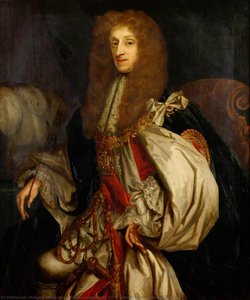
wolfgang william claret
1665 - 1706
Informazioni rapide
- Artistic Movement Or Style: Portraiture
- Artists Or Movements Influenced By This Artist: ['None specified']
- Artists Who Influenced This Artist: ['None specified']
- Date Of Birth: 1665
- Date Of Death: 1706
- Full Name: Wolfgang William Claret
- Nationality: Austrian
- Notable Artworks:
- Thomas Osborne Portrait
- Mary II Portrait
- Place Of Birth: WahooArt, Austria