
 Anteprima in scala reale
 Condividi
 Condividi
 Dettagli

 Scarica immagine
 Articoli simili
 Radiografia
 Slideshow
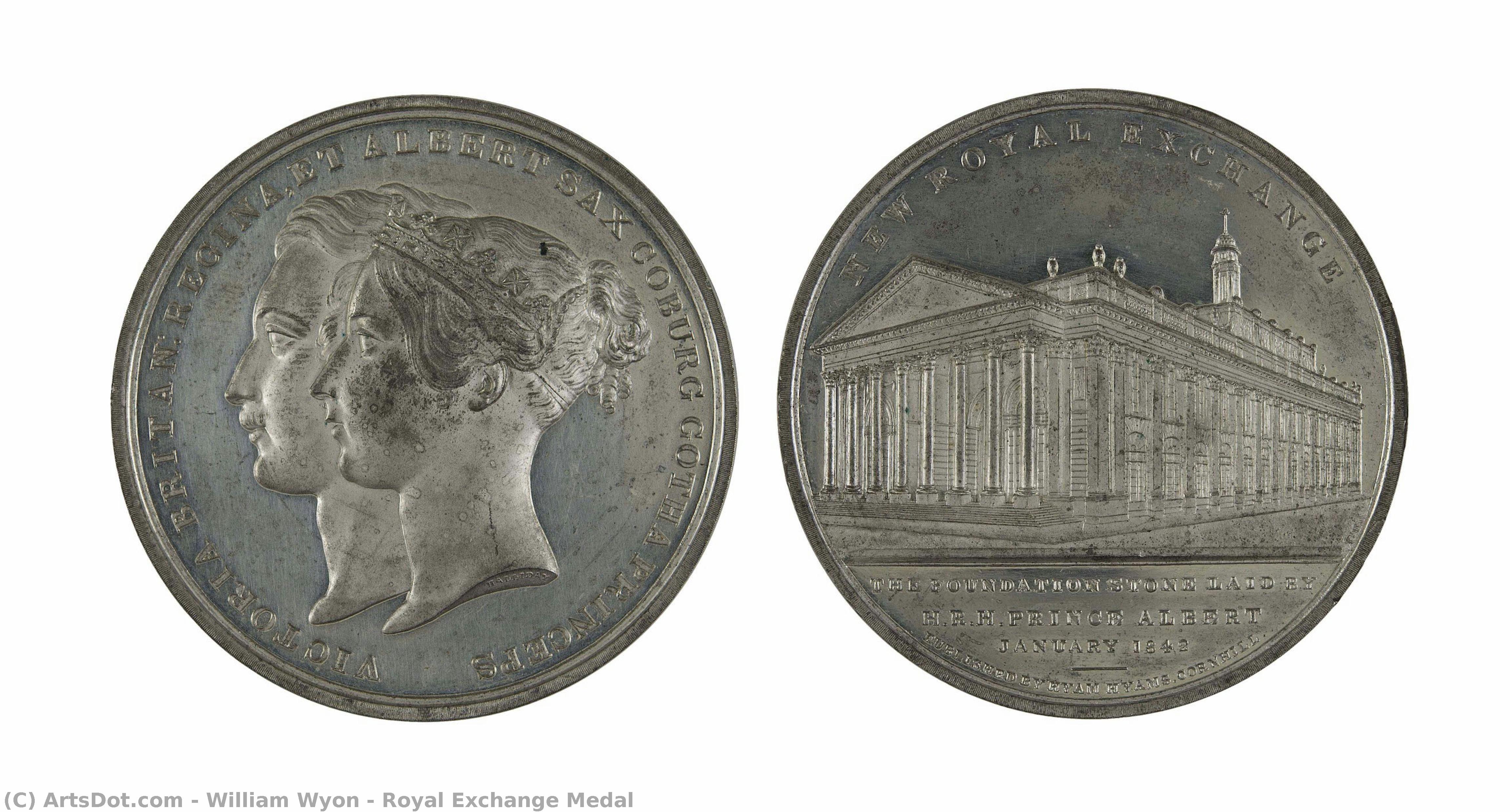
Royal Exchange Medal


 Leggi tutto
Riproduzione a olio fatta a mano
Olio su tela dipinto a mano nelle tue dimensioni e con la tua cornice, realizzato su ordinazione dai nostri artisti. ( Ordina stampa Acquista download)




P118B $10

P118H $10

P118W $10

P438Z $10

P508JH $12

P508YH $12

P805H $10

P805Z $10

P919BZ $10

P919G $10

P919XJ $10

P959ZH $10

P968JZ $12

W106C $8

W218G $10

W218JH $8

W218Y $10

W307PJ $10

W316G $10

W316PJ $8

W316Y $10

W398PJ $8

W4111J $10

W500HY $15

W500JH $15

W692G $12

W849H $8

W940BG $15

W953PJ $8




Scegli tra le nostre dimensioni predefinite, che rispettano le proporzioni originali dell'opera d'arte.

È possibile inserire dimensioni personalizzate per adattare l'opera a una cornice o a uno spazio specifico. Se la dimensione selezionata non corrisponde alle proporzioni dell'immagine originale, provvederemo a ritagliare l'opera o a estendere il dipinto con elementi aggiuntivi dipinti a mano. Un mockup digitale ti sarà inviato per approvazione prima dell'inizio della produzione.
Si prega di notare che l'anteprima a schermo non riflette il ritaglio o l'estensione effettivi. Solo il mockup mostrerà accuratamente la composizione finale.
Sebbene siano disponibili dimensioni personalizzate, consigliamo di selezionare una dimensione dall'elenco predefinito per preservare le proporzioni originali.
Dopo l'ordine, il team di OriginalUniqueArt.com contatterà il cliente via e-mail per le istruzioni e fornirà un'anteprima del mockup
Consegna in tutto il mondo () in 3/4 settimane anziché nelle normali 5 settimane. (15 Agosto). Nessun compromesso sulla qualità.

Spedizione espressa gratuita in tutto il mondo

Tela in lino di alta qualità

Assicurazione completa sulla spedizione

Garanzia di rimborso dei dazi doganali

Garanzia di fedeltà cromatica dell'originale

Politica di reso entro 60 giorni (solo per difetti di fabbricazione)

Garanzia di rimborso al 100%

Sconto per acquisti multipli
 L'opzione vetro è disponibile solo per dimensioni inferiori a 110 cm

Royal Exchange Medal
Tecnica di riproduzione
Dimensioni della riproduzione
-


Prezzo totale
$ 300
Biografia dell'artista
William Wyon: The Sculptor of Britannia’s Coinage
William Wyon (1795 – 1851) stands as a monumental figure in British artistic history, primarily recognized for his transformative role at the Royal Mint and his indelible contribution to Victorian coinage. Born in Birmingham, England, into a family steeped in die engraving tradition—his father, Peter George Wyon II, was himself a respected engraver—Wyon’s early life foreshadowed a lifelong dedication to crafting precision and beauty from metal. He possessed an innate talent for sculpture combined with exceptional technical skill, which would ultimately define his artistic legacy.- Early Life & Training: From Birmingham Die Sinker to Artistic Aspirations
- London Years & Flaxman’s Influence: Studying Under a Master Sculptor
- Royal Mint Career: Shaping Britannia's Image
- Notable Engravings: Coins and Medallions That Defined an Era
- Legacy & Recognition: A Lasting Impact on British Art and Numismatics
Early Life & Training: From Birmingham Die Sinker to Artistic Aspirations
William Wyon’s formative years were spent in Birmingham, where he apprenticed under his father, Peter George Wyon II, a skilled die engraver who operated a family business specializing in producing coins and medals. This upbringing instilled within him not only technical proficiency but also an appreciation for craftsmanship and artistic vision—values that would permeate his entire career. The burgeoning Industrial Revolution provided Birmingham with unparalleled opportunities for innovation and technological advancement, shaping the environment in which Wyon honed his skills. His father’s influence extended beyond mere trade; Peter Wyon II fostered a deep understanding of sculptural techniques and aesthetic principles, laying the groundwork for William's future artistic endeavors. He demonstrated an early fascination with sculpting—a passion nurtured by familial tradition—and quickly mastered the intricacies of die engraving, recognizing its potential to transform raw metal into enduring symbols of national identity.London Years & Flaxman’s Influence: Studying Under a Master Sculptor
Seeking to broaden his artistic horizons, Wyon relocated to London in 1816 where he enrolled at the Royal Academy of Arts and studied under John Flaxman, a celebrated neoclassical sculptor whose work championed idealized forms and moral themes. Flaxman's profound impact on Wyon’s artistic sensibilities is undeniable; he instilled in him a reverence for classical ideals and encouraged experimentation with new sculptural techniques. Flaxman’s emphasis on conveying emotion through form—a cornerstone of neoclassical art—served as an inspiration to Wyon, shaping his approach to portraiture and commemorative sculpture alike. The Academy's rigorous curriculum fostered intellectual curiosity and artistic refinement, equipping Wyon with the tools necessary to excel in his chosen field. Flaxman encouraged Wyon to explore the expressive power of sculpture, guiding him toward a stylistic vision rooted in the principles of antiquity—a pursuit that would profoundly influence his subsequent artistic endeavors.Royal Mint Career: Shaping Britannia's Image
In 1828 William Wyon ascended to the prestigious role of Chief Engraver at the Royal Mint—a position he held until his death in 1851—marking a pivotal moment in British numismatic history. Prior to this appointment, he had served as assistant engraver and gained considerable experience in designing coins for various monarchs. During his tenure, Wyon oversaw the creation of several groundbreaking coin designs, including the second and third effigies of George IV and the portrait of William IV—each meticulously crafted to embody regal dignity and artistic excellence. He championed a revival of neoclassical engraving styles, prioritizing clarity, precision, and harmonious composition. His work elevated British coinage to new heights of aesthetic sophistication, solidifying his reputation as one of the era’s foremost engravers. He recognized that coin design wasn't merely about replicating likenesses; it was about communicating values—loyalty, virtue, and national pride—through carefully considered visual elements.Notable Engravings: Coins and Medallions That Defined an Era
Wyon's artistic output extended beyond coin design; he produced numerous medals commemorating significant historical events and honoring prominent figures—most notably, the Royal Exchange Medal (1842) celebrating London’s economic prosperity and the St George and Dragon medal (1845), symbolizing England’s martial spirit. His engravings were characterized by remarkable detail and artistic sensitivity, reflecting his mastery of sculptural techniques and his unwavering commitment to conveying emotion through form. The “Young Head” portrait of Victoria—adopted as the coinage emblem from 1838—became an enduring symbol of Victorian Britain, embodying youthful idealism and regal grace. Wyon’s designs captivated collectors worldwide and cemented his place among the most influential artists of the nineteenth century. He skillfully blended classical influences with contemporary artistic trends, creating images that resonated deeply with the sensibilities of his time.Legacy & Recognition: A Lasting Impact on British Art and Numismatics
William Wyon's influence resonated throughout British art and numismatic circles for decades after his death. His revival of neoclassical engraving styles inspired subsequent generations of engravers, shaping the visual language of Victorian coinage and contributing to a broader appreciation for classical artistic principles. He was elected a Fellow of the Royal Academy in 1838—a testament to his artistic achievements and scholarly reputation—further solidifying his legacy as one of Britain’s most celebrated sculptors and engravers. His meticulous attention to detail, combined with his unwavering commitment to conveying emotion through form, continues to inspire admiration among art historians and collectors alike. Wyon's enduring contribution to British cultural heritage ensures that his name will forever be associated with the grandeur and beauty of Victorian artistry.
William Wyon
1795 - 1851 , Regno Unito
Informazioni rapide
- Artistic Movement Or Style: Neoclassicismo
- Artists Or Movements Influenced By This Artist: ['George IV Effigies']
- Artists Who Influenced This Artist: ['John Flaxman']
- Date Of Birth: Birmingham, Regno Unito
- Date Of Death: Brighton, Regno Unito
- Full Name: William Wyon
- Nationality: Britannico
- Notable Artworks:
- Moneta della Royal Exchange
- Moneta dello St George e del drago
- Place Of Birth: Birmingham
Articoli correlati

William Powell Frith e la Narrazione della Società Vittoriana: L'Ascesa del Realismo Pittorico
Esplora l'opera di William Powell Frith e il realismo pittorico vittoriano. Analisi approfondita dei suoi dipinti, temi sociali e tecnica artistica. Scopri la sua influenza sulla storia dell'arte.
R.A. Benjamin Williams: Victorian Genre Painting & Social Commentary
Explore the captivating world of Benjamin Williams Leader's Victorian genre paintings. Discover his mastery of naturalism, social commentary & lasting influence on British art. Expert insights at OriginalUniqueArt.

Henry William Pickersgill: Narrazione, Riforma e gli Interni Domestici nell'Inghilterra Vittoriana
Esplora l'opera di Henry William Pickersgill e la pittura vittoriana inglese. Analisi approfondita degli interni domestici, il contesto preraffaellita e le riflessioni sociali nell'arte del XIX secolo.
William Collins: A Study in Victorian Narrative Painting & Social Commentary
Explore the captivating world of William Collins (1788-1847), a celebrated Victorian painter known for his charming genre scenes and poignant social commentary. Discover his artistic journey, influences, and lasting legacy with OriginalUniqueArt.

Majesty on Canvas: A Definitive Guide to Iconic Royal Portraits Through Art History
Explore the profound history of royal portraiture. From Baroque grandeur to Victorian elegance, discover how master artists captured power and lineage on canvas through the timeless medium of oil painting.

