

 Anteprima in scala reale
 Condividi
 Condividi
 Dettagli
 Guida stampabile

 Scarica
 Articoli simili
 Radiografia
 Slideshow
 Statistiche
The Wounded Hound


 Leggi tutto
Giclée / Stampe d'arte
Stampa giclée o su tela di qualità museale, con produzione rapida e diverse opzioni di finitura. ( Ordina la riproduzione dipinta a mano Passa all'immagine digitale)




P118B €10

P118H €10

P118W €10

P438Z €10

P508JH €12

P508YH €12

P805H €10

P805Z €10

P919BZ €10

P919G €10

P919XJ €10

P959ZH €10

P968JZ €12

W106C €8

W218G €10

W218JH €8

W218Y €10

W307PJ €10

W316G €10

W316PJ €8

W316Y €10

W398PJ €8

W4111J €10

W500HY €15

W500JH €15

W692G €12

W849H €8

W940BG €15

W953PJ €8




Scegli tra le nostre dimensioni predefinite, che rispettano le proporzioni originali dell'opera d'arte.

Inserisci la larghezza e l'altezza desiderate, per adattarle alla tua cornice o alla tua parete. Una stampa può essere solo ritagliata, mai resa più grande dell'immagine originale; pertanto, un formato con una forma differente comporterà la perdita di una parte dell'opera. Ti invieremo un mockup digitale da approvare prima di procedere con la stampa. L'immagine mostrata in questa pagina non rappresenta il ritaglio reale — solo il mockup lo mostra.
Consegna in tutto il mondo () in 2 settimane invece delle normali 4/5 settimane. (24 Ottobre)

Spedizione espressa gratuita in tutto il mondo

Tela in lino di alta qualità

Assicurazione completa sulla spedizione

Garanzia di rimborso dei dazi doganali

Garanzia di perfetta fedeltà cromatica

Politica di reso entro 100 giorni (solo per difetti di fabbricazione)

Garanzia di rimborso al 100%

Sconto per acquisti multipli
 L'opzione vetro è disponibile solo per dimensioni inferiori a 110 cm

The Wounded Hound
Giclée / Stampe d'arte
Dimensioni della riproduzione
-


Prezzo totale
€ 70
William Tylee Ranney: A Pioneer of American Genre
William Tylee Ranney (1813-1857) stands as an unexpectedly significant figure in the annals of 19th-century American art. He wasn’t nurtured by the gilded halls of European academies or propelled forward by established artistic lineages; rather, his artistic journey unfolded organically within the burgeoning spirit of a nation aggressively expanding westward—a landscape profoundly shaped by frontier encounters and evolving perceptions of the American experience. His formative years, spent relocating to Fayetteville, North Carolina, at age thirteen to reside with an uncle, witnessed him apprenticed as a tinsmith – a practical trade that instilled in Ranney a grounded sensibility and meticulous attention to detail, qualities which would subsequently become hallmarks of his distinctive artistic style. This period of craftsmanship honed observational skills and fostered a deep understanding of textures and forms inherent in everyday life—a foundation upon which he built his celebrated oeuvre. The irresistible pull of artistry ultimately superseded pragmatic considerations, leading him to Brooklyn in 183- Early Life & Apprenticeship: Ranney’s formative years instilled in him a keen eye for observation and craftsmanship honed through an apprenticeship as a tinsmith. This grounding experience profoundly influenced his artistic sensibilities.
- Brooklyn Residence: Moving to Brooklyn solidified Ranney's commitment to art, establishing him within a vibrant artistic milieu characterized by experimentation and innovation.
The Wounded Hound: A Portrait of Resilience “The Wounded Hound” exemplifies Ranney’s masterful command of American genre painting—a movement that sought to depict scenes from daily life with unflinching realism, capturing the essence of the era's social and psychological landscape. Executed in 1850, this oil on canvas portrays a man and woman seated upon a horse, accompanied by several dogs – notably one exhibiting visible signs of injury or demise. The composition is deliberately austere, prioritizing clarity of form and tonal harmony over elaborate ornamentation. Ranney’s technique—characterized by smooth brushstrokes and subtle gradations of color—creates an atmosphere of contemplative solemnity, reflecting the profound impact of wartime suffering on the human spirit.
Symbolism & Narrative Depth Beyond its surface depiction, “The Wounded Hound” resonates with symbolic significance rooted in the broader context of mid-century American culture. The horse represents strength and nobility—a cornerstone of the frontier ethos—while the dogs embody loyalty and companionship. However, the presence of a deceased canine serves as a poignant reminder of mortality and vulnerability—themes prevalent throughout Ranney’s artistic explorations. The inclusion of birds adds an element of serenity to the scene, juxtaposed against the palpable sorrow conveyed by the central figures.
Historical Context & Influence Ranney's work emerged during a period of intense national introspection following the Civil War—a time marked by profound social upheaval and a yearning for artistic expression that mirrored the anxieties and aspirations of the era. His stylistic innovations—particularly his embrace of tonal realism—anticipated developments in Impressionism, establishing him as a precursor to this transformative movement. “The Wounded Hound” stands as testament to Ranney’s ability to distill complex emotions into visual form—a feat achieved through meticulous observation and unwavering dedication to artistic integrity.
Virginia Museum of Fine Arts Acquisition “The Wounded Hound” resides within the Virginia Museum of Fine Arts collection, where it continues to inspire viewers with its evocative portrayal of human resilience amidst adversity. Its accession number is 2002.538 and was created in 1850. The painting’s provenance underscores its enduring artistic merit—a legacy solidified by scholarly research and meticulous documentation.
Domande e risposte
È disponibile un download per "The Wounded Hound"?
Puoi scaricare "The Wounded Hound" di William Tylee Ranney dalla pagina Scarica dell'opera, come download di un'immagine digitale ad alta risoluzione.
"The Wounded Hound" di William Tylee Ranney è di pubblico dominio?
Lo stato del copyright per "The Wounded Hound" di William Tylee Ranney: l'opera è di pubblico dominio - il suo copyright è scaduto. Ciò determina se sia possibile effettuare liberamente riproduzioni dell'immagine.
L'opera "The Wounded Hound" si trova nel paese del suo creatore?
Sì - l'opera è conservata nel paese d'origine dell'artista. "The Wounded Hound" è conservata in Stati Uniti d'America, mentre William Tylee Ranney è nato/a in Stati Uniti d'America.
Biografia dell'artista
Primi Anni e Esperienza in Texas
- Nato: 9 maggio 1813, Middletown, Connecticut
- Genitori: William Ranney (capitano di marina) e Clarissa Ranney
- Si trasferì a Fayetteville, Carolina del Nord nel 1826 per vivere con suo zio, mercante William Nott.
- Fu apprendista fabbro durante questo periodo, sviluppando probabilmente le sue prime capacità di disegno.
- Nel 1833, si trasferì a Brooklyn, New York, per studiare pittura.
- Si offrì volontario nell'esercito del Texas nel marzo 1836 dopo la caduta dell'Alamo, servendo sotto il generale Sam Houston.
- Servì per nove mesi, vivendo eventi che influenzarono profondamente i soggetti delle sue opere successive. Si dice abbia sorvegliato Santa Anna dopo la battaglia di San Jacinto.
- Tornò a Brooklyn nel 1837 e riprese le sue attività artistiche.
Sviluppo Artistico e Stile
- Pittore ad olio autodidatta, senza formazione formale.
- Espose pubblicamente per la prima volta i suoi dipinti nel 1838 alla National Academy of Design di New York City.
- Ricevette un premio per il suo dipinto di genere, "A Courting Scene" (Una scena di corteggiamento).
- Viaggiò tra Carolina del Nord e New York dal 1839 al 1842.
- Aprì uno studio a New York City nel 1843, pubblicizzando inizialmente come ritrattista.
- Sviluppò uno stile distintivo caratterizzato da rappresentazioni realistiche della vita quotidiana, scene sportive, soggetti storici e paesaggi occidentali.
- Le sue opere spesso presentavano raffigurazioni dettagliate di figure e ambienti, riflettendo la sua meticolosa osservazione e attenzione ai dettagli.
Temi Principali e Opere
- Vita Occidentale: Spirito pionieristico, cacciatori, trapper ed esploratori prima dell'insediamento europeo-americano diffuso (ad esempio, "Prairie Burial" - Sepoltura nella prateria, "Scouting Party" - Gruppo di ricognizione).
- Scene Sportive: La caccia all'anatra e i soggetti equestri erano prominenti, noti per le loro figure scultoree ("On the Wing" - In volo – la sua opera più popolare con molte versioni).
- Soggetti Storici: Raffigurò scene della Rivoluzione Americana, concentrandosi sulle esperienze delle persone comuni piuttosto che sulle grandi battaglie.
- Pittura di Genere: La vita quotidiana e le scene domestiche venivano spesso ritratte.
- Opere Notabili: "On the Wing", "Prairie Burial", "Scouting Party", "Hunting Wild Horses" (Caccia ai cavalli selvatici), "Trapper's Last Shot" (L’ultimo colpo del trapper), "The Match Boy" (Il venditore di fiammiferi), "Old Oaken Bucket" (Vecchia secchia di quercia).
Vita Successiva, Eredità e Significato
- Sposò Margaret Agnes O’Sullivan nel 1847.
- Si stabilì permanentemente a West Hoboken, New Jersey (ora Union City) nel 1853, stabilendo uno studio con vista sullo skyline di Manhattan.
- Contributore regolare e membro associato della National Academy of Design e dell'American Art Union.
- Considerato il primo importante pittore di genere a lavorare nel New Jersey.
- Uno dei pittori americani più importanti del periodo pre-guerra civile.
- I suoi contemporanei riconobbero la sua importanza, affermando che "uno specchio di Ranney è indispensabile ovunque esista una collezione d'arte americana."
- Morì il 18 novembre 1857, probabilmente a causa della tubercolosi.
- Le opere di Ranney contribuirono a rendere popolari le rappresentazioni dell’America occidentale e allo sviluppo della pittura di genere negli Stati Uniti. Il suo focus sulla vita quotidiana e sulle persone comuni rese la sua arte accessibile e vicina a un vasto pubblico.
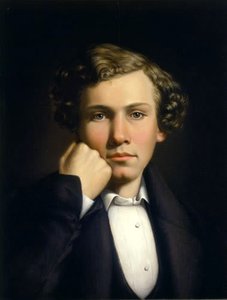
William Tylee Ranney
1813 - 1857 , Stati Uniti d'America
Informazioni rapide
- Artistic Movement Or Style: Pittura di genere
- Date Of Birth: 9 maggio 1813
- Date Of Death: 18 novembre 1857
- Full Name: William Tylee Ranney
- Nationality: Americano
- Notable Artworks:
- On the Wing
- Prairie Burial
- Scouting Party
- Trapper's Last Shot
- Place Of Birth (City And Country): Middletown, USA
Articoli correlati
William Aiken Walker: A Southern Luminist's Vision of River Life & Antebellum Society
Explore the evocative paintings of William Aiken Walker, a master of Southern Luminism. Discover his poignant depictions of post-Civil War life, African American culture & antebellum landscapes. Learn about this important artist's legacy.

William Owen: A Poetic Vision of War & Landscape in British Modernism
Explore the poignant war poetry of Wilfred Owen, a key figure in British Modernism. Discover his innovative style, themes of loss & camaraderie, and lasting impact on 20th-century literature. Analysis & historical context included.

Frederick William Jackson: Capturing the American West Through Luminist Vision & Narrative Detail
Explore the captivating works of Frederick William Jackson, a pioneer of Western realism & Luminist painting. Discover his atmospheric landscapes, depictions of Native American life, and lasting legacy. Learn more at OriginalUniqueArt.

Grant Wood e il Regionalismo Americano: Identità, Mito e Paesaggio Rurale
Esplora il Regionalismo Americano con Grant Wood e i suoi capolavori. Analisi approfondita di 'American Gothic', contesto storico, influenze artistiche e l'eredità di questo movimento iconico. Scopri la vera essenza dell'arte rurale americana.
William Henry Hope: Illuminating American Genre Painting Through Luminosity & Narrative
Explore the captivating landscapes & genre scenes of William Henry Hope, a pivotal Canadian artist. Discover his mastery of light, realism, and narrative in this insightful guide. Learn about collecting his work & its place in art history.