

 Anteprima in scala reale
 Condividi
 Condividi
 Dettagli
 Guida stampabile

 Scarica
 Articoli simili
 Radiografia
 Slideshow
 Statistiche
Marion Crossing the Peedee
 Oil On Canvas
- WallArt
- American Genre Painting
 1850
1850- 19th Century
 188.0 x 127.0 cm
 Amon Carter Museum of American Art
 Leggi tutto
Giclée / Stampe d'arte
Stampa giclée o su tela di qualità museale, con produzione rapida e diverse opzioni di finitura. ( Ordina la riproduzione dipinta a mano Passa all'immagine digitale)




P118B €10

P118H €10

P118W €10

P438Z €10

P508JH €12

P508YH €12

P805H €10

P805Z €10

P919BZ €10

P919G €10

P919XJ €10

P959ZH €10

P968JZ €12

W106C €8

W218G €10

W218JH €8

W218Y €10

W307PJ €10

W316G €10

W316PJ €8

W316Y €10

W398PJ €8

W4111J €10

W500HY €15

W500JH €15

W692G €12

W849H €8

W940BG €15

W953PJ €8




Scegli tra le nostre dimensioni predefinite, che rispettano le proporzioni originali dell'opera d'arte.

Inserisci la larghezza e l'altezza desiderate, per adattarle alla tua cornice o alla tua parete. Una stampa può essere solo ritagliata, mai resa più grande dell'immagine originale; pertanto, un formato con una forma differente comporterà la perdita di una parte dell'opera. Ti invieremo un mockup digitale da approvare prima di procedere con la stampa. L'immagine mostrata in questa pagina non rappresenta il ritaglio reale — solo il mockup lo mostra.
Consegna in tutto il mondo () in 2 settimane invece delle normali 4/5 settimane. (24 Ottobre)

Spedizione espressa gratuita in tutto il mondo

Tela in lino di alta qualità

Assicurazione completa sulla spedizione

Garanzia di rimborso dei dazi doganali

Garanzia di perfetta fedeltà cromatica

Politica di reso entro 100 giorni (solo per difetti di fabbricazione)

Garanzia di rimborso al 100%

Sconto per acquisti multipli
 L'opzione vetro è disponibile solo per dimensioni inferiori a 110 cm

Marion Crossing the Peedee
Giclée / Stampe d'arte
Dimensioni della riproduzione
-


Prezzo totale
€ 70
A Journey Through Time: The Spirit of the American Frontier
In the sweeping expanse of William Tylee Ranney’s Marion Crossing the Peedee, we are not merely observers of a landscape, but witnesses to a pivotal moment in the American narrative. Painted in 1850, this masterful oil on canvas captures a scene of profound movement and historical weight. The composition centers on a bustling river crossing, where figures, horses, and even a faithful dog navigate the unpredictable waters of the Peedee River. There is an undeniable sense of drama unfolding within the frame; the way the boat is laden with life suggests a community in transition, embodying the very essence of westward expansion and the rugged resilience required to tame a new frontier. For the collector, this piece offers more than just a visual feast; it provides a window into the soul of 19th-century America, evoking themes of exploration, interdependence, and the shared struggle of pioneer life.
The technical prowess displayed in this work is nothing short of extraordinary, making it a centerpiece worthy of any sophisticated interior. Ranney employs a traditional 19th-century realist style, utilizing layered oil techniques to build a world of immense depth and tactile reality. One can almost feel the rough texture of the riverbank’s bark and the heavy folds of the travelers' clothing through his deliberate, visible brushstrokes. The artist masterfully balances organic shapes with a dynamic use of diagonal lines—the angle of the boat and the curve of the shoreline guide the eye through the chaos of the crossing, creating a sense of rhythmic motion. This interplay of light and shadow, particularly under the diffused glow of an overcast sky, lends a cinematic quality to the scene, casting soft highlights on the water and deep, mysterious shadows within the dense foliage.
A Symphony of Earthy Tones and Atmospheric Depth
Color plays a vital role in establishing the emotional temperature of this masterpiece. Ranney avoids garish hues, opting instead for a sophisticated palette dominated by earthy browns, deep forest greens, and muted grays. These tones ground the painting in realism, suggesting the grit and dust of travel. However, these somber shades are punctuated by subtle glints of white and blue in the sky and water, providing much-needed breath and light to the composition. This careful color management creates an atmospheric perspective where distant elements soften into a hazy, ethereal background, pulling the viewer deeper into the vastness of the American landscape.
For interior designers and art enthusiasts alike, Marion Crossing the Peedee serves as a profound emotional anchor. The painting does not just depict a historical event; it evokes a feeling of uncertainty and courage. The dramatic sky, heavy with the promise of change, mirrors the internal state of those navigating the river—a metaphor for the unpredictability of life itself. Whether placed in a grand library, a traditional study, or as a conversation starter in a contemporary living space, this reproduction brings with it an aura of historical prestige and a timeless, adventurous spirit that continues to captivate the modern imagination.
Domande e risposte
Dove posso trovare una guida per "Marion Crossing the Peedee"?
È disponibile una pagina Schede didattiche per "Marion Crossing the Peedee" di William Tylee Ranney: una scheda informativa stampabile sull'opera d'arte, progettata per studenti e uso didattico in classe.
Dove è esposta oggi l'opera "Marion Crossing the Peedee" di William Tylee Ranney?
Puoi ammirare l'originale "Marion Crossing the Peedee" presso il Amon Carter Museum of American Art, Fort Worth, Stati Uniti d'America.
Per quale uso è consigliata una riproduzione di "Marion Crossing the Peedee" di William Tylee Ranney?
L'uso consigliato per una stampa di "Marion Crossing the Peedee" è Focal.
Biografia dell'artista
Primi Anni e Esperienza in Texas
- Nato: 9 maggio 1813, Middletown, Connecticut
- Genitori: William Ranney (capitano di marina) e Clarissa Ranney
- Si trasferì a Fayetteville, Carolina del Nord nel 1826 per vivere con suo zio, mercante William Nott.
- Fu apprendista fabbro durante questo periodo, sviluppando probabilmente le sue prime capacità di disegno.
- Nel 1833, si trasferì a Brooklyn, New York, per studiare pittura.
- Si offrì volontario nell'esercito del Texas nel marzo 1836 dopo la caduta dell'Alamo, servendo sotto il generale Sam Houston.
- Servì per nove mesi, vivendo eventi che influenzarono profondamente i soggetti delle sue opere successive. Si dice abbia sorvegliato Santa Anna dopo la battaglia di San Jacinto.
- Tornò a Brooklyn nel 1837 e riprese le sue attività artistiche.
Sviluppo Artistico e Stile
- Pittore ad olio autodidatta, senza formazione formale.
- Espose pubblicamente per la prima volta i suoi dipinti nel 1838 alla National Academy of Design di New York City.
- Ricevette un premio per il suo dipinto di genere, "A Courting Scene" (Una scena di corteggiamento).
- Viaggiò tra Carolina del Nord e New York dal 1839 al 1842.
- Aprì uno studio a New York City nel 1843, pubblicizzando inizialmente come ritrattista.
- Sviluppò uno stile distintivo caratterizzato da rappresentazioni realistiche della vita quotidiana, scene sportive, soggetti storici e paesaggi occidentali.
- Le sue opere spesso presentavano raffigurazioni dettagliate di figure e ambienti, riflettendo la sua meticolosa osservazione e attenzione ai dettagli.
Temi Principali e Opere
- Vita Occidentale: Spirito pionieristico, cacciatori, trapper ed esploratori prima dell'insediamento europeo-americano diffuso (ad esempio, "Prairie Burial" - Sepoltura nella prateria, "Scouting Party" - Gruppo di ricognizione).
- Scene Sportive: La caccia all'anatra e i soggetti equestri erano prominenti, noti per le loro figure scultoree ("On the Wing" - In volo – la sua opera più popolare con molte versioni).
- Soggetti Storici: Raffigurò scene della Rivoluzione Americana, concentrandosi sulle esperienze delle persone comuni piuttosto che sulle grandi battaglie.
- Pittura di Genere: La vita quotidiana e le scene domestiche venivano spesso ritratte.
- Opere Notabili: "On the Wing", "Prairie Burial", "Scouting Party", "Hunting Wild Horses" (Caccia ai cavalli selvatici), "Trapper's Last Shot" (L’ultimo colpo del trapper), "The Match Boy" (Il venditore di fiammiferi), "Old Oaken Bucket" (Vecchia secchia di quercia).
Vita Successiva, Eredità e Significato
- Sposò Margaret Agnes O’Sullivan nel 1847.
- Si stabilì permanentemente a West Hoboken, New Jersey (ora Union City) nel 1853, stabilendo uno studio con vista sullo skyline di Manhattan.
- Contributore regolare e membro associato della National Academy of Design e dell'American Art Union.
- Considerato il primo importante pittore di genere a lavorare nel New Jersey.
- Uno dei pittori americani più importanti del periodo pre-guerra civile.
- I suoi contemporanei riconobbero la sua importanza, affermando che "uno specchio di Ranney è indispensabile ovunque esista una collezione d'arte americana."
- Morì il 18 novembre 1857, probabilmente a causa della tubercolosi.
- Le opere di Ranney contribuirono a rendere popolari le rappresentazioni dell’America occidentale e allo sviluppo della pittura di genere negli Stati Uniti. Il suo focus sulla vita quotidiana e sulle persone comuni rese la sua arte accessibile e vicina a un vasto pubblico.
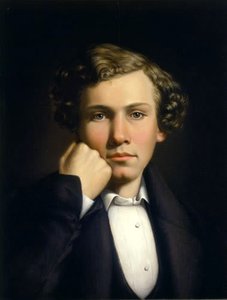
William Tylee Ranney
1813 - 1857 , Stati Uniti d'America
Informazioni rapide
- Artistic Movement Or Style: Pittura di genere
- Date Of Birth: 9 maggio 1813
- Date Of Death: 18 novembre 1857
- Full Name: William Tylee Ranney
- Nationality: Americano
- Notable Artworks:
- On the Wing
- Prairie Burial
- Scouting Party
- Trapper's Last Shot
- Place Of Birth (City And Country): Middletown, USA
Articoli correlati
Earthy Tones & Emotional Resonance: Exploring the Vibe of Grounded Artworks
Explore the emotional power of earthy tones in art history! Discover how artists use color to evoke feelings & create grounded spaces. Expert advice on selecting artwork for your home – plus custom reproductions at OriginalUniqueArt.
I 10 Dipinti Più Famosi dai Tonalità Sabbia: Arte, Storia e Decorazioni Raffinate
Esplora i 10 dipinti più iconici dominati da tonalità sabbia e colori terra. Scopri la storia, gli artisti e le tecniche dietro questi capolavori senza tempo. Trova riproduzioni artistiche di alta qualità per decorare casa con .
I 10 Dipinti Più Famosi nei Toni del Fungo: Arte, Storia e Decorazioni Raffinate
Esplora i 10 dipinti più iconici nei toni del fungo, dai capolavori rinascimentali all'impressionismo. Scopri la storia degli artisti e lasciati ispirare per decorazioni artistiche uniche. Acquista riproduzioni di alta qualità su !

Il XIX Secolo nell'Arte: 10 Capolavori da Ammirare e Riscoprire
Esplora i 10 capolavori del XIX secolo! Da Manet a Klimt, scopri la storia e l'arte di dipinti iconici. Impressionismo, realismo e romanticismo ti aspettano su OriginalUniqueArt.com. Scopri tutta la collezione online.
I 10 Dipinti Più Famosi Dominati dai Tonalità di Terra: Arte e Decorazioni Raffinate
Esplora i 10 dipinti più iconici dominati dalle calde tonalità di terra. Scopri la storia, gli artisti e le tecniche dietro capolavori senza tempo. Trova riproduzioni artistiche di alta qualità per decorare casa con .