

 Anteprima in scala reale
 Condividi
 Condividi
 Dettagli

 Scarica immagine
 Articoli simili
 Radiografia
 Slideshow
Woodland Brook


 Leggi tutto
Giclée / Stampe d'arte
Stampa giclée o su tela di qualità museale, con produzione rapida e diverse opzioni di finitura. ( Ordina la riproduzione dipinta a mano Acquista download)




P118B $10

P118H $10

P118W $10

P438Z $10

P508JH $12

P508YH $12

P805H $10

P805Z $10

P919BZ $10

P919G $10

P919XJ $10

P959ZH $10

P968JZ $12

W106C $8

W218G $10

W218JH $8

W218Y $10

W307PJ $10

W316G $10

W316PJ $8

W316Y $10

W398PJ $8

W4111J $10

W500HY $15

W500JH $15

W692G $12

W849H $8

W940BG $15

W953PJ $8




Scegli tra le nostre dimensioni predefinite, che rispettano le proporzioni originali dell'opera d'arte.

È possibile inserire dimensioni personalizzate per adattare l'opera a una cornice o a uno spazio specifico. Se la dimensione selezionata non corrisponde alle proporzioni dell'immagine originale, procederemo al ritaglio dell'opera o all'estensione dell'immagine con un bordo specchiato o a tinta unita. Un mockup digitale ti verrà inviato per approvazione prima dell'inizio della produzione.
Si prega di notare che l'anteprima a schermo non riflette il ritaglio o l'estensione effettivi. Solo il mockup mostrerà accuratamente la composizione finale.
Sebbene siano disponibili dimensioni personalizzate, si raccomanda di selezionare una dimensione dall'elenco predefinito per preservare le proporzioni originali.
Consegna in tutto il mondo () in 2 settimane invece delle normali 4/5 settimane. (22 Agosto)

Spedizione espressa gratuita in tutto il mondo

Tela in lino di alta qualità

Assicurazione completa sulla spedizione

Garanzia di rimborso dei dazi doganali

Garanzia di fedeltà cromatica dell'originale

Politica di reso entro 60 giorni (solo per difetti di fabbricazione)

Garanzia di rimborso al 100%

Sconto per acquisti multipli
 L'opzione vetro è disponibile solo per dimensioni inferiori a 110 cm

Woodland Brook
Giclée / Stampe d'arte
Dimensioni della riproduzione
-


Prezzo totale
$ 80
Descrizione del pezzo
A Moment of Tranquil Reflection: William Trost Richards’ “Woodland Brook”
William Trost Richards' "Woodland Brook," painted in 1861, isn’t merely a depiction of a forest scene; it’s an invitation to stillness. This oil on canvas, currently residing within the Detroit Institute of Arts, embodies the spirit of the Hudson River School while simultaneously hinting at the burgeoning Pre-Raphaelite influence that would soon reshape American landscape painting. Richards, a meticulous observer and dedicated craftsman, sought not to glorify nature with dramatic vistas but rather to capture its quiet dignity and inherent beauty through painstaking detail and a profound understanding of light and atmosphere.
The painting immediately draws the eye into a serene woodland setting. A gently flowing stream, rendered with remarkable precision in Richards’ brushwork, snakes its way through a dense forest floor. The trees themselves—a mix of maples, birches, and pines—are not idealized symbols but individual specimens, each bearing the unique markings of age and experience. Richards' technique is characterized by a layering of thin glazes, building up color gradually to achieve an astonishing sense of depth and luminosity. Notice how he uses warm ochres and browns in the undergrowth, contrasted with cooler greens and blues in the shadowed depths of the trees – a masterful manipulation of value that creates a convincing illusion of three-dimensionality.
The Language of Light and Color
Richards’ mastery lies not just in his technical skill but also in his ability to evoke mood through color. The painting is bathed in a soft, diffused light, characteristic of the Luminist style – a movement Richards helped pioneer. This isn't harsh sunlight; it’s a gentle illumination that seems to emanate from within the forest itself. The use of complementary colors—the vibrant greens against the warm browns and yellows—intensifies the sense of depth and creates a visual harmony that is both captivating and calming. The dappled light filtering through the leaves adds an element of magic, suggesting hidden secrets and quiet contemplation.
Interestingly, Richards included two figures within this vast landscape – small, almost ghostly presences near the center and slightly to the right. Their inclusion isn’t about narrative; rather, they serve as a poignant reminder of humanity's place within the grandeur of nature. They invite us to consider our own relationship with the environment, prompting reflection on scale and perspective.
Historical Context and Artistic Influences
"Woodland Brook" sits comfortably at the intersection of two significant artistic movements. Richards was a key figure in the Hudson River School, known for their detailed depictions of American landscapes. However, unlike some of his contemporaries who embraced romanticized themes, Richards prioritized scientific accuracy and observational realism. He studied botany extensively, meticulously documenting the flora of the White Mountains, which heavily influenced his work. Furthermore, Richards’ attention to detail and use of color bear a striking resemblance to the Pre-Raphaelites, particularly their interest in capturing the beauty of nature with an almost photographic quality.
The painting's creation coincided with a period of significant change in American art. The Civil War had profoundly impacted the nation, leading many artists to turn inward and explore themes of spirituality and introspection – qualities that are powerfully present in Richards’ work. “Woodland Brook” offers a respite from the turmoil of the era, inviting viewers to find solace and beauty in the natural world.
Bringing "Woodland Brook" Home
OriginalUniqueArt is proud to offer meticulously crafted hand-painted reproductions of William Trost Richards' "Woodland Brook." Each reproduction captures the essence of the original painting – its luminous colors, intricate detail, and profound sense of tranquility. Whether you’re an art collector, a design enthusiast seeking inspiration for your interior space, or simply someone who appreciates the beauty of nature, this artwork is sure to evoke a lasting impression. Consider how the painting's serene atmosphere can transform any room into a sanctuary of peace and contemplation. Explore our range of sizes and canvas options to find the perfect reproduction for your home or office – a timeless piece that will be cherished for generations to come.
Biografia dell'artista
Primi anni e formazione
William Trost Richards, un importante artista paesaggista americano, nacque il 14 novembre 1833 a Filadelfia, Pennsylvania. Tra il 1850 e il 1855, studiò part-time con l'artista tedesco Paul Weber mentre lavorava come progettista e illustratore di lavori in metallo ornamentale.Carriera artistica
La sua prima esposizione pubblica fu parte di una mostra a New Bedford, Massachusetts, organizzata dall'artista Albert Bierstadt nel 1858. Nel 1862, fu eletto membro onorario della National Academy of Design e accademico nel 1871. Richards trascorse gli estati sulla costa orientale per sei anni dopo il suo ritorno da un viaggio di un anno in Europa nel 1866.Opere notevoli e stile
Richards produsse molte opere acclamate, tra cui vedute acquerellate delle White Mountains, diverse delle quali si trovano ora nella collezione del Metropolitan Museum of Art. Le sue opere sono oggi esposte in molti importanti musei americani, tra cui la National Gallery, il Saint Louis Art Museum e lo Smithsonian American Art Museum. Lo stile di Richards è caratterizzato da resoconti fattuali meticolosi, rifiutando l'approccio romanticizzato di altri pittori della Hudson River School. Le sue vedute delle White Mountains sono quasi fotografiche nel loro realismo.Eredità
La figlia di William Trost Richards, Anna Richards Brewster, divenne anch'essa una pittrice. Le opere di Richards si possono trovare in vari musei, tra cui quelli menzionati sopra e il Thyssen-Bornemisza Museum e il Crystal Bridges Museum of American Art. Date importanti: * 14 novembre 1833: nato a Filadelfia, Pennsylvania * 1862: eletto membro onorario della National Academy of Design * 1871: eletto accademico * 8 novembre 1905: deceduto a Newport, Rhode Island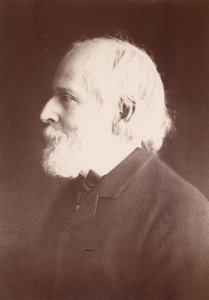
William Trost Richards
1833 - 1905 , Stati Uniti d'America
Informazioni rapide
- Artisti Influenti:
- Paul Weber
- Albert Bierstadt
- Data Di Nascita: 14 novembre 1833
- Luogo Di Nascita: Filadelfia, USA
- Movimento Artistico: Hudson River School
- Nazionalità: Americana
- Nome Completo: William Trost Richards
- Opere Notevoli: ['Lago Avernus']
- Stile Artistico: Realismo, Watercolor
Articoli correlati
William Trost Richards: Luminismo, Spiritualità e la Tradizione Paesaggistica Americana
Esplora la vita e l'opera di William Trost Richards, maestro del luminismo americano. Approfondisci la sua tecnica pittorica unica, i temi spirituali e l'influenza sulla paesaggistica americana. Scopri perché collezionare le sue opere è un investimento nella bellezza senza tempo.

I 10 Capolavori della Scuola del Fiume Hudson: Arte, Storia e Decorazioni Raffinate
Esplora i 10 capolavori della Scuola del Fiume Hudson: Cole, Church e Bierstadt. Scopri la storia, le tecniche e l'emozione di questi iconici paesaggi americani. Trova riproduzioni artistiche di alta qualità su OriginalUniqueArt.com!

The Sublime Landscape: Exploring the Hudson River School Movement
Explore the captivating world of the Hudson River School! Discover the history, artists, and defining characteristics of this iconic American art movement. Learn about Romanticism's influence & find inspiration for your collection.
Capturing the American Spirit: A Journey Through Iconic Landscapes and the Legacy of the Hudson River School
Explore the profound beauty of American art history. From the Hudson River School to iconic landscapes, discover a curated journey through the masterpieces that defined a nation's spirit and the enduring legacy of American Romanticism.

Robert Spencer: Luminism, Narrative & the American Landscape Tradition
Explore the captivating world of Luminism & the Hudson River School with our expert analysis. Discover the history, artists, and enduring beauty of 19th-century American landscape painting. Find museum-quality reproductions at OriginalUniqueArt.


