

 Anteprima in scala reale
 Condividi
 Condividi
 Dettagli
 Guida stampabile

 Scarica
 Articoli simili
 Radiografia
 Slideshow
 Statistiche
Scene from Macbeth


 Leggi tutto
Giclée / Stampe d'arte
Stampa giclée o su tela di qualità museale, con produzione rapida e diverse opzioni di finitura. ( Ordina la riproduzione dipinta a mano Passa all'immagine digitale)




P118B €10

P118H €10

P118W €10

P438Z €10

P508JH €12

P508YH €12

P805H €10

P805Z €10

P919BZ €10

P919G €10

P919XJ €10

P959ZH €10

P968JZ €12

W106C €8

W218G €10

W218JH €8

W218Y €10

W307PJ €10

W316G €10

W316PJ €8

W316Y €10

W398PJ €8

W4111J €10

W500HY €15

W500JH €15

W692G €12

W849H €8

W940BG €15

W953PJ €8




Scegli tra le nostre dimensioni predefinite, che rispettano le proporzioni originali dell'opera d'arte.

Inserisci la larghezza e l'altezza desiderate, per adattarle alla tua cornice o alla tua parete. Una stampa può essere solo ritagliata, mai resa più grande dell'immagine originale; pertanto, un formato con una forma differente comporterà la perdita di una parte dell'opera. Ti invieremo un mockup digitale da approvare prima di procedere con la stampa. L'immagine mostrata in questa pagina non rappresenta il ritaglio reale — solo il mockup lo mostra.
Consegna in tutto il mondo () in 2 settimane invece delle normali 4/5 settimane. (23 Ottobre)

Spedizione espressa gratuita in tutto il mondo

Tela in lino di alta qualità

Assicurazione completa sulla spedizione

Garanzia di rimborso dei dazi doganali

Garanzia di perfetta fedeltà cromatica

Politica di reso entro 100 giorni (solo per difetti di fabbricazione)

Garanzia di rimborso al 100%

Sconto per acquisti multipli
 L'opzione vetro è disponibile solo per dimensioni inferiori a 110 cm

Scene from Macbeth
Giclée / Stampe d'arte
Dimensioni della riproduzione
-


Prezzo totale
€ 70
A Vision Steeped in Light and Shadow
In the vast tapestry of American landscape painting, few threads are as delicately woven as those spun by William Trost Richards. While many of his contemporaries in the Hudson River School sought to capture the overwhelming grandeur and theatrical scale of the untamed wilderness, Richards turned his gaze toward a more intimate, almost scientific pursuit of truth. His masterpiece, “Scene from Macbeth,” painted circa 1850, serves as a breathtaking testament to this philosophy. It is a work that transcends mere topography, offering instead a window into a world where the boundaries between the natural landscape and human psychological drama dissolve into a singular, luminous experience.
The painting presents a hauntingly beautiful tableau, centered around three figures poised against the backdrop of a moonlit mountain range. The composition is masterfully balanced; on the left, a figure draped in a striking red robe provides a warm, visceral anchor to the scene, contrasting sharply with the two figures clad in somber black. As they gaze upward toward the heavens, the viewer is drawn into their shared moment of awe or trepidation. This arrangement does more than just depict characters; it invites us to participate in the tension of the narrative, feeling the weight of the atmosphere and the silent anticipation that hangs in the nocturnal air.
The Alchemy of Luminism and Romanticism
Technically, “Scene from Macbeth” is a triumph of light manipulation. Richards utilized a sophisticated blend of watercolor and oil to achieve what can only be described as an almost photographic clarity, yet one infused with the ethereal qualities of Luminism. Through subtle gradations of tone and color, he captures the way moonlight filters through a heavy, cloud-filled sky, casting soft shadows and creating a sense of atmospheric haze. This technique allows the mountains to recede into a dreamlike distance, while the foreground figures retain a tactile, grounded presence.
The stylistic essence of the piece lies in its duality. While Richards’ precision reflects his training under the German artist Paul Weber and his dedication to observational realism, the subject matter is deeply rooted in Romanticism. By choosing a scene inspired by Shakespeare’s most turbulent tragedy, Richards taps into the era's fascination with mythology, fate, and the psychological depths of the human soul. The dramatic sky, filled with swirling clouds that catch the lunar glow, acts as an emotional mirror to the internal conflicts inherent in the Macbeth legend, making the landscape itself a character in the drama.
An Enduring Presence for the Discerning Collector
For the art lover or the interior designer, “Scene from Macbeth” offers much more than visual beauty; it provides an emotional atmosphere. The painting possesses a profound spiritual resonance, making it an ideal centerpiece for spaces designed for contemplation and quiet sophistication. Its palette—a sophisticated interplay of deep nocturnal blues, silvery moonlight, and the singular, piercing crimson of the robe—allows it to integrate seamlessly into both classical and contemporary environments.
Owning a high-quality reproduction of this work means bringing a piece of American art history into one's personal sanctuary. It is a conversation starter that speaks of meticulous craftsmanship, literary depth, and an unwavering appreciation for the natural world. Whether placed in a library, a study, or a grand living hall, Richards’ vision continues to evoke a sense of wonder, reminding us that even in the darkest shadows, there is a light that reveals the profound mysteries of existence.
Domande e risposte
"Scene from Macbeth" presenta forti contrasti chiaroscurali?
Il contrasto chiaroscurale di "Scene from Macbeth" è registrato come Bold. Il contrasto descrive quanto marcata sia la differenza tra le aree chiare e quelle scure.
Quali soggetti appaiono in "Scene from Macbeth" di William Trost Richards?
I soggetti di "Scene from Macbeth" sono people, figures, moonlit sky, mountains, clouds, red robe, black clothing.
Dove posso acquistare una stampa di "Scene from Macbeth" di William Trost Richards?
È possibile ordinare una stampa di "Scene from Macbeth" di William Trost Richards direttamente sulla sua pagina Stampa Fine Art: una stampa fine art su tela di cotone o carta canvas d'archivio.
Biografia dell'artista
Primi anni e formazione
William Trost Richards, un importante artista paesaggista americano, nacque il 14 novembre 1833 a Filadelfia, Pennsylvania. Tra il 1850 e il 1855, studiò part-time con l'artista tedesco Paul Weber mentre lavorava come progettista e illustratore di lavori in metallo ornamentale.Carriera artistica
La sua prima esposizione pubblica fu parte di una mostra a New Bedford, Massachusetts, organizzata dall'artista Albert Bierstadt nel 1858. Nel 1862, fu eletto membro onorario della National Academy of Design e accademico nel 1871. Richards trascorse gli estati sulla costa orientale per sei anni dopo il suo ritorno da un viaggio di un anno in Europa nel 1866.Opere notevoli e stile
Richards produsse molte opere acclamate, tra cui vedute acquerellate delle White Mountains, diverse delle quali si trovano ora nella collezione del Metropolitan Museum of Art. Le sue opere sono oggi esposte in molti importanti musei americani, tra cui la National Gallery, il Saint Louis Art Museum e lo Smithsonian American Art Museum. Lo stile di Richards è caratterizzato da resoconti fattuali meticolosi, rifiutando l'approccio romanticizzato di altri pittori della Hudson River School. Le sue vedute delle White Mountains sono quasi fotografiche nel loro realismo.Eredità
La figlia di William Trost Richards, Anna Richards Brewster, divenne anch'essa una pittrice. Le opere di Richards si possono trovare in vari musei, tra cui quelli menzionati sopra e il Thyssen-Bornemisza Museum e il Crystal Bridges Museum of American Art. Date importanti: * 14 novembre 1833: nato a Filadelfia, Pennsylvania * 1862: eletto membro onorario della National Academy of Design * 1871: eletto accademico * 8 novembre 1905: deceduto a Newport, Rhode Island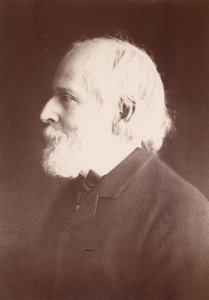
William Trost Richards
1833 - 1905 , Stati Uniti d'America
Informazioni rapide
- Artisti Influenti:
- Paul Weber
- Albert Bierstadt
- Data Di Nascita: 14 novembre 1833
- Luogo Di Nascita: Filadelfia, USA
- Movimento Artistico: Hudson River School
- Nazionalità: Americana
- Nome Completo: William Trost Richards
- Opere Notevoli: ['Lago Avernus']
- Stile Artistico: Realismo, Watercolor
Articoli correlati

I 25 Capolavori Visionari di William Blake: Un Viaggio tra Sogno e Realtà
Scopri i 25 capolavori di William Blake e il genio del Romanticismo. Esplora la collezione su OriginalUniqueArt.com.

I 25 Capolavori di William Blake: Visioni e Sogno del Maestro Romantico
Esplora i 25 capolavori di William Blake e il genio del Romanticismo. Scopri le opere su OriginalUniqueArt.com.

I 25 Capolavori di William Blake: Il Genio Visionario del Romanticismo
Esplora i 25 capolavori di William Blake e il genio del Romanticismo. Scopri le riproduzioni su OriginalUniqueArt.com.

25 Masterpieces by William Blake: The Visionary Genius of the Romantic Age
Step into the visionary world of William Blake. Explore 25 iconic Romantic masterpieces, from mystical illuminated prints to profound mythological works. Find museum-quality art reproductions and decor inspiration for your collection. Discover all masterpieces on OriginalUniqueArt.com.
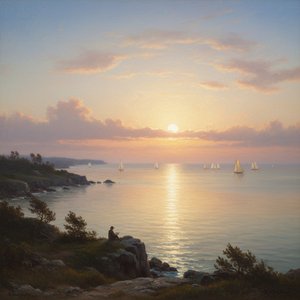
William Trost Richards: Luminismo, Spiritualità e la Tradizione Paesaggistica Americana
Esplora la vita e l'opera di William Trost Richards, maestro del luminismo americano. Approfondisci la sua tecnica pittorica unica, i temi spirituali e l'influenza sulla paesaggistica americana. Scopri perché collezionare le sue opere è un investimento nella bellezza senza tempo.
