

 Anteprima in scala reale
 Condividi
 Condividi
 Dettagli

 Scarica
 Articoli simili
 Radiografia
 Slideshow
 Statistiche
Near Land's End, Cornwall
 Oil On Canvas
- WallArt
- Academic Realism
 1879
1879 59.0 x 112.0 cm
 Metropolitan Museum of Art
 Leggi tutto
Giclée / Stampe d'arte
Stampa giclée o su tela di qualità museale, con produzione rapida e diverse opzioni di finitura. ( Ordina la riproduzione dipinta a mano Passa all'immagine digitale)




P118B $10

P118H $10

P118W $10

P438Z $10

P508JH $12

P508YH $12

P805H $10

P805Z $10

P919BZ $10

P919G $10

P919XJ $10

P959ZH $10

P968JZ $12

W106C $8

W218G $10

W218JH $8

W218Y $10

W307PJ $10

W316G $10

W316PJ $8

W316Y $10

W398PJ $8

W4111J $10

W500HY $15

W500JH $15

W692G $12

W849H $8

W940BG $15

W953PJ $8




Scegli tra le nostre dimensioni predefinite, che rispettano le proporzioni originali dell'opera d'arte.

È possibile inserire dimensioni personalizzate per adattare l'opera a una cornice o a uno spazio specifico. Se la dimensione selezionata non corrisponde alle proporzioni dell'immagine originale, procederemo al ritaglio dell'opera o all'estensione dell'immagine con un bordo specchiato o a tinta unita. Un mockup digitale ti verrà inviato per approvazione prima dell'inizio della produzione.
Si prega di notare che l'anteprima a schermo non riflette il ritaglio o l'estensione effettivi. Solo il mockup mostrerà accuratamente la composizione finale.
Sebbene siano disponibili dimensioni personalizzate, si raccomanda di selezionare una dimensione dall'elenco predefinito per preservare le proporzioni originali.
Consegna in tutto il mondo () in 2 settimane invece delle normali 4/5 settimane. (17 Settembre)

Spedizione espressa gratuita in tutto il mondo

Tela in lino di alta qualità

Assicurazione completa sulla spedizione

Garanzia di rimborso dei dazi doganali

Garanzia di perfetta fedeltà cromatica

Politica di reso entro 100 giorni (solo per difetti di fabbricazione)

Garanzia di rimborso al 100%

Sconto per acquisti multipli
 L'opzione vetro è disponibile solo per dimensioni inferiori a 110 cm

Near Land's End, Cornwall
Giclée / Stampe d'arte
Dimensioni della riproduzione
-


Prezzo totale
$ 80
A Dramatic Embrace: William Trost Richards’ “Near Land’s End, Cornwall”
William Trost Richards' "Near Land’s End, Cornwall," painted in 1879, isn’t merely a depiction of a coastal scene; it’s an immersive experience. This oil on canvas transports the viewer to the rugged, windswept shores of southwestern England, capturing a moment of raw power and elemental beauty. Richards, a key figure bridging the realism of the Hudson River School with the meticulous detail of Pre-Raphaelite painting, eschewed romanticized vistas in favor of an almost scientific approach to rendering nature’s forces. He sought not to embellish, but to faithfully record the drama unfolding before him – a testament to his dedication to observation and craft.
The composition immediately commands attention with its horizontal format, drawing the eye across the vast expanse of turbulent water. The low horizon line amplifies the scale of the ocean, emphasizing its dominance over the land. Scattered boats in the distance offer a crucial element of human presence, providing a sense of scale and hinting at the lives intertwined with this formidable landscape. A solitary figure on the beach, positioned centrally within the frame, acts as an anchor for the viewer, inviting contemplation about humanity’s relationship to nature's grandeur – a small, vulnerable form confronting the immense power of the sea.
The Language of Light and Color
Dominating the palette is a carefully orchestrated symphony of cool tones: deep blues, steely greys, and shimmering whites. These colors perfectly mirror the overcast sky, creating an atmosphere of brooding intensity. Subtle variations within these hues – hints of warm browns and yellows in the distant landmass – provide a delicate contrast, preventing the scene from becoming overwhelmingly somber. Richards masterfully employs atmospheric perspective; objects receding into the distance appear paler and less distinct, skillfully conveying depth and spatial illusion. The visible brushstrokes, particularly evident in the rendering of the waves and clouds, contribute to a palpable sense of texture and movement.
The artist’s use of dynamic lines is crucial to the painting's impact. The crests of the waves are rendered with energetic, almost frenetic strokes, conveying an undeniable sense of motion and power. These lines aren’t simply decorative; they actively shape the composition, guiding the viewer’s eye through the scene. The shapes themselves – the irregular forms of the waves, clouds, and coastline – feel entirely organic, reflecting Richards' commitment to naturalism rather than idealized representation.
A Study in Detail and Technique
"Near Land’s End, Cornwall" exemplifies Richards’ meticulous technique. He employed short, choppy brushstrokes to capture the frothy texture of the waves, while softer marks were used to depict the billowing clouds. This deliberate layering of paint creates a remarkable sense of depth and volume, allowing the viewer to almost feel the spray of the ocean and the chill of the wind. The painting’s academic realism is further underscored by its evident adherence to 19th-century landscape conventions – a testament to Richards' rigorous training and unwavering dedication to his craft.
Symbolism and Emotional Resonance
Beyond its technical brilliance, “Near Land’s End, Cornwall” evokes a profound sense of awe and perhaps a touch of melancholy. The stormy atmosphere, the relentless crashing waves, and the solitary figure on the beach all contribute to this emotional resonance. It's a painting that speaks to the untamed beauty and inherent power of the Cornish coast – a reminder of humanity’s smallness in the face of nature’s majesty. The scene invites reflection on themes of resilience, vulnerability, and the enduring allure of the wild.
Biografia dell'artista
Primi anni e formazione
William Trost Richards, un importante artista paesaggista americano, nacque il 14 novembre 1833 a Filadelfia, Pennsylvania. Tra il 1850 e il 1855, studiò part-time con l'artista tedesco Paul Weber mentre lavorava come progettista e illustratore di lavori in metallo ornamentale.Carriera artistica
La sua prima esposizione pubblica fu parte di una mostra a New Bedford, Massachusetts, organizzata dall'artista Albert Bierstadt nel 1858. Nel 1862, fu eletto membro onorario della National Academy of Design e accademico nel 1871. Richards trascorse gli estati sulla costa orientale per sei anni dopo il suo ritorno da un viaggio di un anno in Europa nel 1866.Opere notevoli e stile
Richards produsse molte opere acclamate, tra cui vedute acquerellate delle White Mountains, diverse delle quali si trovano ora nella collezione del Metropolitan Museum of Art. Le sue opere sono oggi esposte in molti importanti musei americani, tra cui la National Gallery, il Saint Louis Art Museum e lo Smithsonian American Art Museum. Lo stile di Richards è caratterizzato da resoconti fattuali meticolosi, rifiutando l'approccio romanticizzato di altri pittori della Hudson River School. Le sue vedute delle White Mountains sono quasi fotografiche nel loro realismo.Eredità
La figlia di William Trost Richards, Anna Richards Brewster, divenne anch'essa una pittrice. Le opere di Richards si possono trovare in vari musei, tra cui quelli menzionati sopra e il Thyssen-Bornemisza Museum e il Crystal Bridges Museum of American Art. Date importanti: * 14 novembre 1833: nato a Filadelfia, Pennsylvania * 1862: eletto membro onorario della National Academy of Design * 1871: eletto accademico * 8 novembre 1905: deceduto a Newport, Rhode Island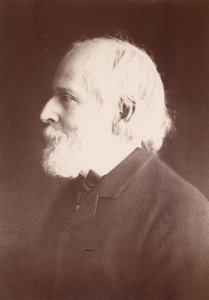
William Trost Richards
1833 - 1905 , Stati Uniti d'America
Informazioni rapide
- Artisti Influenti:
- Paul Weber
- Albert Bierstadt
- Data Di Nascita: 14 novembre 1833
- Luogo Di Nascita: Filadelfia, USA
- Movimento Artistico: Hudson River School
- Nazionalità: Americana
- Nome Completo: William Trost Richards
- Opere Notevoli: ['Lago Avernus']
- Stile Artistico: Realismo, Watercolor
Articoli correlati
William Trost Richards: Luminismo, Spiritualità e la Tradizione Paesaggistica Americana
Esplora la vita e l'opera di William Trost Richards, maestro del luminismo americano. Approfondisci la sua tecnica pittorica unica, i temi spirituali e l'influenza sulla paesaggistica americana. Scopri perché collezionare le sue opere è un investimento nella bellezza senza tempo.

I 10 Capolavori del Paesaggio Romantico: Arte, Storia e Decorazioni di Lusso
Esplora i 10 capolavori del Paesaggio Romantico con OriginalUniqueArt.com! Caspar David Friedrich, Turner e altri maestri: storia, tecnica e colori che definiscono un'epoca. Trova riproduzioni d'arte di lusso per la tua casa. Scopri la collezione completa online!

Evocations of Place: A Historical Journey Through Landscape Art
Explore the rich history of landscape art with OriginalUniqueArt. Discover renowned artists, movements like Impressionism & Romanticism, and expert guidance for collecting timeless pieces. Find your perfect serene escape today!
Capturing Stillness: A Curated Exploration of the Most Iconic Lake Landscapes in Art History
Journey through art history's most serene lake landscapes. From Romantic vistas to light-drenched Impressionist waters, discover the stories behind these iconic masterpieces and find museum-quality, hand-painted oil reproductions for your private collection.

Evocations of Place: A Historical Journey Through Landscape Art
Explore the rich history of landscape art with OriginalUniqueArt. Discover renowned artists, movements like Impressionism & tonalism, and expert guidance for collecting timeless pieces. Find your perfect serene escape today!
