
 Anteprima in scala reale
 Condividi
 Condividi
 Dettagli

 Scarica immagine
 Articoli simili
 Radiografia
 Slideshow
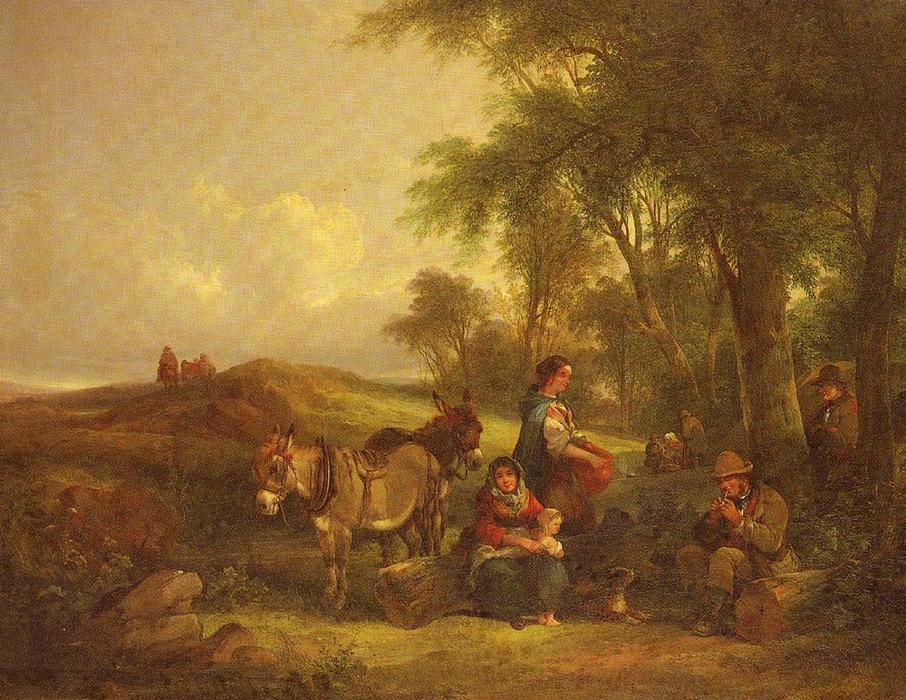
Afternoon Rest

 Leggi tutto
Giclée / Stampe d'arte
Stampa giclée o su tela di qualità museale, con produzione rapida e diverse opzioni di finitura. ( Ordina la riproduzione dipinta a mano Acquista download)




































Scegli tra le nostre dimensioni predefinite, che rispettano le proporzioni originali dell'opera d'arte.

È possibile inserire dimensioni personalizzate per adattare l'opera a una cornice o a uno spazio specifico. Se la dimensione selezionata non corrisponde alle proporzioni dell'immagine originale, procederemo al ritaglio dell'opera o all'estensione dell'immagine con un bordo specchiato o a tinta unita. Un mockup digitale ti verrà inviato per approvazione prima dell'inizio della produzione.
Si prega di notare che l'anteprima a schermo non riflette il ritaglio o l'estensione effettivi. Solo il mockup mostrerà accuratamente la composizione finale.
Sebbene siano disponibili dimensioni personalizzate, si raccomanda di selezionare una dimensione dall'elenco predefinito per preservare le proporzioni originali.
Consegna in tutto il mondo () in 2 settimane invece delle normali 4/5 settimane. (20 Agosto)

Spedizione espressa gratuita in tutto il mondo

Tela in lino di alta qualità

Assicurazione completa sulla spedizione

Garanzia di rimborso dei dazi doganali

Garanzia di fedeltà cromatica dell'originale

Politica di reso entro 60 giorni (solo per difetti di fabbricazione)

Garanzia di rimborso al 100%

Sconto per acquisti multipli
 L'opzione vetro è disponibile solo per dimensioni inferiori a 110 cm

Afternoon Rest
Giclée / Stampe d'arte
Dimensioni della riproduzione
-


Prezzo totale
$ 80
Biografia dell'artista
William Shayer Senior: A Victorian Painter of Rural Tranquility
William Shayer Senior (1788 – 1879) stands as a testament to the enduring appeal of Romantic landscape painting during the Victorian era. Unlike many of his contemporaries who sought grand vistas and dramatic narratives, Shayer’s artistic vision focused on capturing the quiet beauty of Hampshire countryside—specifically the New Forest—and the lives intertwined within it. His distinctive glazing technique, combined with meticulous observation of detail, cemented his reputation as a master craftsman and a keen recorder of Victorian rural life. Born in England, Shayer's early artistic endeavors began modestly – decorating rush-bottom chairs – demonstrating an innate talent for visual representation that quickly expanded beyond domestic interiors. Recognizing the potential for commercial success, he skillfully transitioned into carriage painting in Guildford, honing his skills with precision and artistry. This formative period instilled a dedication to craftsmanship and established him as a respected artist within his community. However, Shayer’s true breakthrough arrived when he embraced oil on canvas, allowing him to achieve unparalleled luminosity and depth of color—a hallmark of his oeuvre. Shayer's artistic style was profoundly influenced by the Romantic movement, prioritizing emotional resonance alongside accurate depiction. He excelled at portraying woodland scenes populated with figures – gypsies, farmers, and animals – nestled around inviting country inns and farmhouses. These compositions weren’t merely scenic representations; they conveyed a palpable sense of atmosphere and imbued them with humanist warmth. Notably, Shayer collaborated extensively with Edward Charles Williams, creating iconic paintings like “The Traveller's Rest” where Williams’ landscapes complemented Shayer’s skillful additions of human figures and animals. This partnership exemplifies the collaborative spirit prevalent in Victorian art circles and resulted in masterpieces that capture both artistic vision and social context. The familial ties between Williams and Shayer further enriched their creative endeavors, fostering a supportive environment for artistic experimentation. His contribution to art history is significant not only for its aesthetic qualities but also for its reflection of Victorian society's fascination with the natural world and its desire for idealized representations of rural life. His paintings remain treasured examples of Romantic landscape artistry, offering viewers a glimpse into a bygone era characterized by tranquility, observation, and artistic excellence. Exploring works like “Fisherwomen” and "The Cowherd" allows us to appreciate Shayer Senior’s remarkable ability to convey emotion through subtle brushstrokes and masterful color palettes—a skill that continues to inspire artists today.- Early Career & Technique: Shayer began his artistic journey decorating furniture, demonstrating an early aptitude for visual representation. This practical experience complemented his burgeoning talent for painting, particularly in the carriage industry where he perfected his meticulous technique.
- Collaboration with Williams: The partnership between Shayer Senior and Edward Charles Williams proved pivotal to his artistic success. Together they produced celebrated landscapes like “The Traveller’s Rest,” showcasing a harmonious blend of compositional skill and humanist sentiment.
- Glazing Technique & Luminosity: Shayer's signature glazing technique—applying thin layers of translucent paint over underlying colors—created unparalleled luminosity and depth of color, distinguishing his work from many contemporaries.
- Notable Paintings: Among Shayer’s most admired works are “The Traveller’s Rest,” “Fisherwomen” and "The Cowherd," each capturing the essence of rural Hampshire with remarkable detail and emotional sensitivity.
- Legacy & Influence: William Joseph Shayer Jr., his son, continued his father's artistic tradition, perpetuating Shayer Senior’s distinctive glazing method and solidifying his place as a cornerstone of Victorian landscape painting.

William Shayer Senior
1788 - 1879 , United Kingdom
Informazioni rapide
- Artistic Movement Or Style: Romantic Landscape Painting
- Artists Or Movements Influenced By This Artist: ['Romanticism']
- Date Of Death: 1879
- Full Name: William Shayer Senior
- Nationality: English
- Notable Artworks:
- The Traveller's Rest
- Fisherwomen
- The Cowherd
- Place Of Birth: United Kingdom

