
 Anteprima in scala reale
 Condividi
 Condividi
 Dettagli

 Scarica immagine
 Articoli simili
 Radiografia
 Slideshow
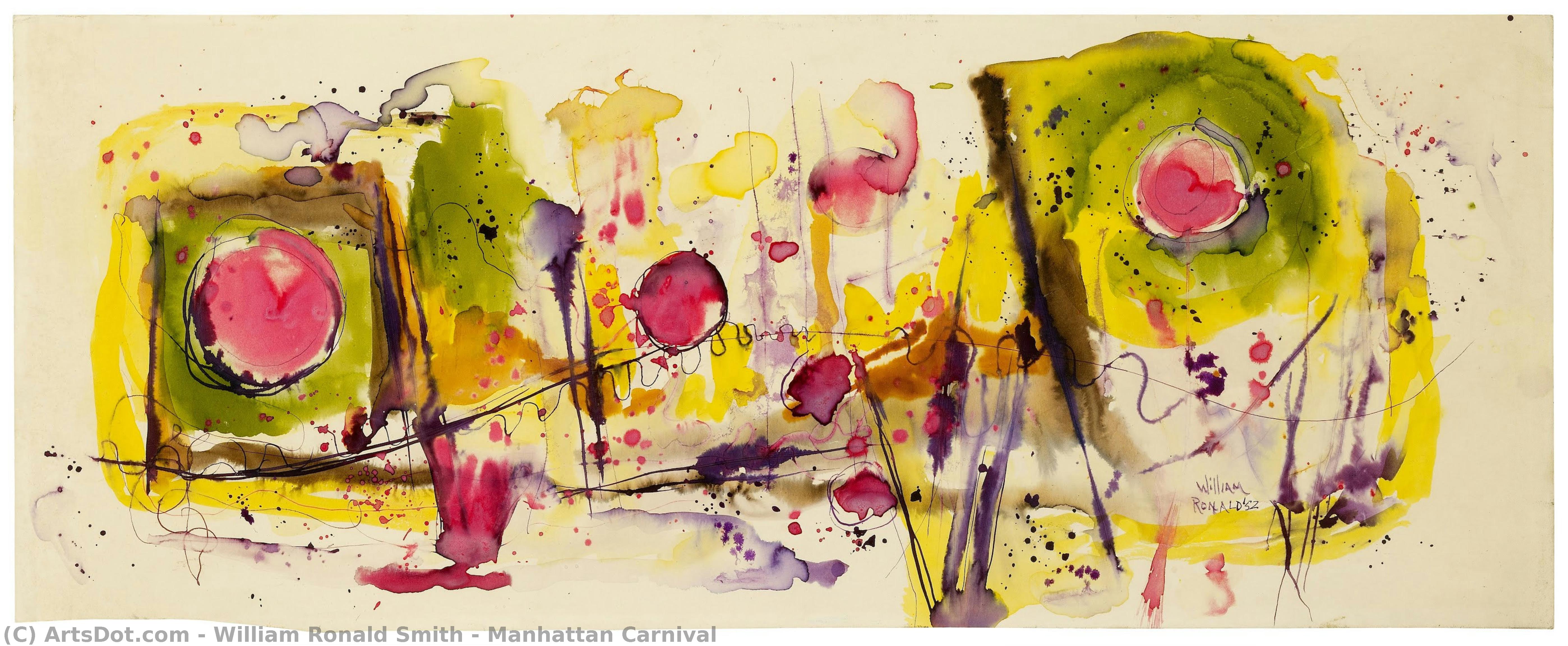
Manhattan Carnival
 Painting
- Abstract Expressionism
 1952
1952- Modern
 30.0 x 75.0 cm
 La Robert McLaughlin Gallery
 Leggi tutto
Riproduzione a olio fatta a mano
Olio su tela dipinto a mano nelle tue dimensioni e con la tua cornice, realizzato su ordinazione dai nostri artisti. ( Ordina stampa Acquista download)




































Scegli tra le nostre dimensioni predefinite, che rispettano le proporzioni originali dell'opera d'arte.

È possibile inserire dimensioni personalizzate per adattare l'opera a una cornice o a uno spazio specifico. Se la dimensione selezionata non corrisponde alle proporzioni dell'immagine originale, provvederemo a ritagliare l'opera o a estendere il dipinto con elementi aggiuntivi dipinti a mano. Un mockup digitale ti sarà inviato per approvazione prima dell'inizio della produzione.
Si prega di notare che l'anteprima a schermo non riflette il ritaglio o l'estensione effettivi. Solo il mockup mostrerà accuratamente la composizione finale.
Sebbene siano disponibili dimensioni personalizzate, consigliamo di selezionare una dimensione dall'elenco predefinito per preservare le proporzioni originali.
Dopo l'ordine, il team di OriginalUniqueArt.com contatterà il cliente via e-mail per le istruzioni e fornirà un'anteprima del mockup
Consegna in tutto il mondo () in 3/4 settimane anziché nelle normali 5 settimane. (13 Agosto). Nessun compromesso sulla qualità.

Spedizione espressa gratuita in tutto il mondo

Tela in lino di alta qualità

Assicurazione completa sulla spedizione

Garanzia di rimborso dei dazi doganali

Garanzia di fedeltà cromatica dell'originale

Politica di reso entro 60 giorni (solo per difetti di fabbricazione)

Garanzia di rimborso al 100%

Sconto per acquisti multipli
 L'opzione vetro è disponibile solo per dimensioni inferiori a 110 cm

Manhattan Carnival
Tecnica di riproduzione
Dimensioni della riproduzione
-


Prezzo totale
$ 300
Descrizione dell'opera
A Symphony of Abstraction: Rediscovering Manhattan Carnival
In the vibrant tapestry of mid-century Canadian abstraction, few works capture the kinetic energy of urban life quite like William Ronald Smith’s Manhattan Carnival. Created in 1952, this masterpiece serves as a rhythmic exploration of color and form, predating the formal establishment of the influential Painters Eleven group. The painting does not merely depict a scene; it orchestrates an experience. At its heart lies a commanding yellow sun-like orb, a focal point that anchors the swirling composition. This central nucleus is surrounded by a celestial dance of smaller, multi-colored circles and geometric fragments that pulse with the frantic, joyful movement of a metropolitan celebration. To gaze upon this work is to feel the heartbeat of a city in motion, where every shape contributes to a larger, breathing organism of light and shadow.
The technique employed by Smith reflects the profound influence of the Abstract Expressionist movement, utilizing a dynamic approach to composition that defies static boundaries. Through a masterful use of central image painting, Smith directs the viewer's eye in a continuous loop, moving from the warmth of the golden center to the periphery of scattered, energetic shapes. The artist’s ability to balance weight and lightness creates a sense of depth without the need for traditional perspective. Each brushstroke and color placement feels intentional yet spontaneous, mimicking the unpredictable nature of a carnival. For the discerning collector or interior designer, this piece offers a sophisticated interplay of geometry and emotion, making it an ideal centerpiece for modern spaces that demand both intellectual depth and visual vitality.
Beyond its aesthetic brilliance, Manhattan Carnival carries a profound historical and symbolic weight. Produced during a transformative era in the Canadian art scene, the work embodies the post-war avant-garde spirit—a period defined by a desire to break free from representational constraints and embrace a new, universal language of emotion. The "carnival" of the title serves as a metaphor for the chaotic yet harmonious complexity of human existence and urban evolution. The bright, optimistic palette suggests a resilience and a celebration of life amidst the structural complexities of the modern age. Owning a high-quality reproduction of this work allows one to bring this legacy of innovation into the home, providing an enduring source of inspiration and a sophisticated touch of historical prestige to any curated collection.
Biografia dell'artista
Early Life and Career
William Ronald Smith, born August 13, 1926, in Stratford, Ontario, Canada, embarked on an artistic journey shaped by both intellectual curiosity and a profound connection to the Canadian landscape. Raised in Fergus, Ontario, he experienced formative years amidst the rural beauty of his childhood home—a backdrop that would subtly influence his later stylistic choices. His formal education began at Ontario College of Art (OCA) in Toronto in 1951, where he honed his skills and cultivated friendships with fellow artists who would become instrumental in shaping his artistic trajectory. Notably, he excelled in hockey during his time at OCA, demonstrating a well-rounded personality alongside his burgeoning passion for visual arts. It was this dual engagement—athleticism and creativity—that provided him with a unique perspective on the world and fueled his determination to pursue excellence in both domains. Following graduation, Ronald secured employment as a display designer for Simpson’s department store, gaining valuable experience in crafting visually compelling presentations that catered to consumer tastes. This role allowed him to develop an eye for composition and color—skills he would later translate into his groundbreaking abstract paintings.The Founding of Painters Eleven
In 1953, William Ronald Smith achieved a pivotal moment in his artistic career by co-establishing Painters Eleven—a collective that would revolutionize Canadian abstract art and solidify his position as a leading figure within the movement. Recognizing the need for a supportive environment where artists could explore their creative impulses freely, Ronald rallied a group of kindred spirits—including Ray Mead—to forge ahead with ambitious projects. Painters Eleven’s ethos centered on embracing abstraction as a means of conveying emotion and capturing the essence of human experience—a bold departure from prevailing artistic conventions of the time. The group's unwavering commitment to experimentation and innovation quickly garnered critical acclaim, propelling Ronald into the spotlight and establishing him as an influential voice in Canadian art history.Artistic Style and Contributions
William Ronald Smith’s distinctive artistic style is characterized by his “central image” paintings—a technique he pioneered that involved layering multiple colors onto a single canvas to create complex visual textures and rhythms. This method allowed him to distill profound emotional states into striking compositions—often dominated by vibrant hues and dynamic brushstrokes—that captivated audiences and critics alike. Ronald’s work transcended mere representation, delving instead into the realm of psychological exploration—a hallmark of abstract expressionism. He drew inspiration from artists such as Hans Hofmann and Franz Kline, absorbing their stylistic innovations while forging his own singular artistic vision. His canvases became embodiments of inner turmoil and joy—expressions of human emotion rendered in bold colors and energetic forms.Notable Achievements & Recognition
Ronald’s dedication to his craft was rewarded with numerous accolades throughout his career, including prestigious awards from OCA and recognition from influential art institutions such as the Royal Canadian Academy. He gained considerable acclaim for his solo exhibitions at Kootz Gallery in New York—where he showcased his paintings alongside those of fellow artists—establishing himself as a respected figure on the international stage. Furthermore, Ronald’s commitment to fostering artistic dialogue extended beyond his own work; he actively encouraged collaboration and experimentation among his peers—contributing significantly to the vibrancy and dynamism of the Canadian art scene.Legacy & Historical Significance
William Ronald Smith passed away February 9, 1998, leaving behind a legacy that continues to inspire artists and scholars alike. His pioneering approach to abstract expressionism—coupled with his unwavering belief in the transformative power of art—established him as one of Canada’s most important visual artists. He remains remembered for his distinctive style, his collaborative spirit, and his profound engagement with the emotional landscape of human experience—a testament to the enduring impact of his artistic vision on Canadian culture and art history.
William Ronald Smith
1926 - 1998 , Canada
Informazioni rapide
- Artistic Movement Or Style: Abstract Expressionism
- Artists Or Movements Influenced By This Artist: ['Painters Eleven']
- Artists Who Influenced This Artist: ['Hans Hofmann']
- Date Of Birth: August 13, 1926
- Date Of Death: February 9, 1998
- Full Name: William Ronald Smith
- Nationality: Canadian
- Notable Artworks:
- Central Image Paintings
- The Lyrical Abstraction Art Movement
- Place Of Birth: Stratford, Canada
Articoli correlati

Astrazione Geometrica: 10 Capolavori che Hanno Definito un Movimento Artistico
Esplora i 10 capolavori dell'Astrazione Geometrica: Mondrian, Malevich e Kandinsky rivoluzionano l'arte moderna. Scopri la storia, i colori e le tecniche di questi movimenti iconici. Stampe d'arte di alta qualità su OriginalUniqueArt.com!

Kandinsky: I 25 Capolavori che Hanno Rivoluzionato l'Arte Moderna | OriginalUniqueArt
Esplora i 25 capolavori di Wassily Kandinsky, pioniere dell'arte astratta. Scopri la storia, il significato e le tecniche dietro ogni dipinto iconico. Trova riproduzioni d'arte di alta qualità per decorare la tua casa su OriginalUniqueArt.com.

Neo-Abstract Art: The High-Impact Evolution of Modern Visual Energy and Geometric Sophistication
Discover the power of Neo-Abstract art. Explore how bold geometric forms and high-impact visual energy are redefining modern design. Learn to curate sophisticated, high-energy spaces with the latest trends in contemporary abstraction and structural color.

Espressionismo Astratto: I 10 Capolavori che Hanno Definito un Movimento Artistico Rivoluzionario
Esplora i 10 capolavori dell'Espressionismo Astratto con ! Scopri Pollock, Rothko e De Kooning: storia, tecnica e significato di opere iconiche per arredare la tua casa con arte di alta qualità. Esplora la collezione online!

Beyond Form & Color: Geometric Abstraction's Evolution in 20th/21st Century Art
Explore the evolution of geometric abstraction from Cubism to contemporary art. Discover key artists like Malevich & Mondrian, investment insights, and expert collecting advice at OriginalUniqueArt.

