
 Anteprima in scala reale
 Invia
Invia Condividi
 Dettagli opera
 Guida
Guida

 Scarica
 Simili
 Radiografia
 Slideshow
 Q&A
Q&A Statistiche
Horses Baiting

- 40.0 x 33.0 cm


 Espandi i dettagli
Giclée / Stampe d'arte
Stampa giclée o su tela di qualità museale, con produzione rapida e diverse opzioni di finitura. ( Acquista il dipinto realizzato a mano Passa all'immagine digitale)




P118B €10

P118H €10

P118W €10

P438Z €10

P508JH €12

P508YH €12

P805H €10

P805Z €10

P919BZ €10

P919G €10

P919XJ €10

P959ZH €10

P968JZ €12

W106C €8

W218G €10

W218JH €8

W218Y €10

W307PJ €10

W316G €10

W316PJ €8

W316Y €10

W398PJ €8

W4111J €10

W500HY €15

W500JH €15

W692G €12

W849H €8

W940BG €15

W953PJ €8




Scegli tra le nostre dimensioni predefinite, che rispettano le proporzioni originali dell'opera d'arte.

Inserisci la larghezza e l'altezza desiderate, per adattarle alla tua cornice o alla tua parete. Una stampa può essere solo ritagliata, mai resa più grande dell'immagine originale; pertanto, un formato con una forma differente comporterà la perdita di una parte dell'opera. Ti invieremo un mockup digitale da approvare prima di procedere con la stampa. L'immagine mostrata in questa pagina non rappresenta il ritaglio reale — solo il mockup lo mostra.
Consegna in tutto il mondo () in 2 settimane invece delle normali 4/5 settimane. (2 Novembre)

Spedizione espressa gratuita in tutto il mondo

Tela in lino di alta qualità

Assicurazione completa sulla spedizione

Garanzia di rimborso dei dazi doganali

Garanzia di fedeltà cromatica assoluta

Politica di reso entro 100 giorni (solo per difetti di fabbricazione)

Garanzia di rimborso al 100%

Offerta per acquisti multipli
 L'opzione vetro è disponibile solo per dimensioni inferiori a 110 cm

Horses Baiting
Giclée / Stampe d'arte
Dimensioni riproduzione
-


Prezzo finale calcolato
€ 71
William Mulready’s Horses Baiting: A Pastoral Echo of Victorian Sentiment
Horses Baiting by William Mulready (1786–1863), 1816, from The Whitworth, The University of Manchester is a deceptively tranquil depiction of rural life that speaks volumes about the Victorian fascination with nature and its role in shaping human emotion. Painted during a period marked by industrial expansion and social upheaval, Mulready’s artwork offers a respite from urban anxieties—a carefully crafted tableau designed to evoke feelings of serenity and idealized beauty. The painting's enduring appeal lies not merely in its visual charm but also in its subtle articulation of Victorian sensibilities concerning morality and the sublime.- Subject Matter: The scene portrays a simple pastoral setting featuring three horses gathered around a trough, accompanied by a solitary figure overseeing their activities. This deliberate choice of subject matter aligns perfectly with the Romantic movement’s emphasis on unspoiled landscapes and the contemplation of natural grandeur—a reaction against the perceived ugliness and corruption of industrial society.
- Style: Mulready's style is firmly rooted in Realism, yet imbued with a Romantic spirit. He meticulously captures the textures of the horses’ coats, the rough bark of the ancient tree dominating the background, and the weathered appearance of the barn—details that convey an impression of authenticity while simultaneously elevating the scene to a level of aesthetic contemplation.
- Technique: Employing oil paint on wood, Mulready utilizes layering techniques to achieve remarkable depth and luminosity. Careful blending creates soft gradations of color, enhancing the overall atmosphere of calm and inviting viewers into the depicted environment. The artist’s meticulous attention to detail underscores his commitment to portraying nature accurately—a hallmark of Victorian artistic practice.
Historical Context: Victorian Ideals of Landscape and Domestic Tranquility
The painting emerged from a broader cultural context characterized by anxieties surrounding industrialization and social reform. However, Mulready consciously sought to counter these concerns by presenting an image of rural harmony—a deliberate affirmation of traditional values and beliefs. The Whitworth Gallery’s acquisition of Horses Baiting reflects the Victorian appreciation for landscapes that embodied moral virtue and spiritual solace. It exemplifies the movement's conviction that communion with nature could nurture the soul and instill a sense of ethical responsibility.Symbolism: Horses as Embodiments of Strength, Fertility, and Pastoral Virtue
Horses themselves hold significant symbolic weight within Victorian art and literature—representing strength, fertility, and nobility. In Mulready’s depiction, they symbolize not only physical prowess but also the pastoral ideal—a vision of rural life characterized by simplicity, contentment, and connection to the natural world. The presence of the solitary figure suggests a contemplative gaze upon this idyllic scene—reflecting Victorian belief in the importance of moral reflection and spiritual contemplation amidst the bustle of urban existence.Emotional Impact: A Balm for Industrial Anxiety
Ultimately, Horses Baiting succeeds in transporting viewers to a realm of tranquility and beauty—offering a poignant counterpoint to the anxieties prevalent during the Victorian era. The muted palette contributes to the painting’s overall mood—creating an atmosphere of understated elegance and inviting contemplation. Mulready's masterful execution captures not just what is seen but also what is felt—affirming the enduring power of art to evoke emotion and inspire wonder. It stands as a testament to Victorian artists’ ability to distill complex philosophical ideas into accessible visual representations—a celebration of nature’s restorative qualities and its capacity to nourish the human spirit.Domande e risposte
L'opera "Horses Baiting" è complessivamente più luminosa o più scura?
"Horses Baiting" presenta una luminosità complessiva di bright e una luminanza pari a Gentle Luminance.
In che modo il soggetto di "Horses Baiting" si relaziona ai temi abituali di William Mulready the Younger?
Tra i temi ricorrenti di William Mulready the Younger - romantic pastoralism, observation detail, victorian tradition, rural calmness, genre painting legacy - "Horses Baiting" pone un particolare accento su rural landscape, pastoral scene, horses, tranquility, victorian era, animal genre painting, rustic architecture, detailed texture.
Qual è la luminosità di "Horses Baiting" di William Mulready the Younger?
I colori di "Horses Baiting" presentano una luminanza Gentle Luminance.
Biografia dell'artista
William Mulready il Giovane: Una Vita nell'Arte
- Nato: Ennis, Irlanda (1786)
- Morto: 1863
William Mulready RA (1786-1863) è stato un importante pittore irlandese di genere che ha trascorso la maggior parte della sua carriera a Londra. È celebrato per le sue raffigurazioni romantiche della vita rurale e delle scene quotidiane, catturando l'essenza dell'Inghilterra vittoriana. Oltre alla pittura, ha ottenuto riconoscimenti per aver progettato la cancelleria Mulready, introdotta insieme al francobollo Penny Black.
Primi Anni e Formazione
- Primi anni: Nato a Ennis, Contea di Clare, in Irlanda, la famiglia di Mulready si trasferì a Londra nel 1792.
- Propensione artistica: Fin da giovane, dimostrò un vivo interesse per l'arte, copiando incisioni e mostrando un talento notevole.
- Formazione formale: Ricevette le prime istruzioni da John Graham, pittore storico, che riconobbe il suo potenziale. Successivamente, studiò alla Royal Academy School, iniziando all'età di circa quattordici anni.
- Prime influenze: La sua formazione fu plasmata da una combinazione di formazione formale e auto-studio, tra cui la copia di stampe e l'osservazione degli attori nelle rappresentazioni teatrali.
Sviluppo Artistico e Stile
- Prime opere: Mulready si concentrò inizialmente sui paesaggi prima di passare alla pittura di genere intorno al 1808.
- Focus sulla pittura di genere: Il suo stile distintivo consisteva nel raffigurare scene della vita rurale, spesso intonate con un senso romantico e sottotesti morali.
- Influenze: Trasse ispirazione dai pittori olandesi del XVII secolo, studiando le loro opere in collezioni private.
- Temi ricorrenti: Mulready ritrasse frequentemente bambini, il loro comportamento e la loro educazione, riflettendo le preoccupazioni sociali vittoriane.
- Abilità tecnica: I suoi dipinti sono caratterizzati da un alto livello di abilità tecnica, evidente in particolare nei suoi disegni dettagliati della figura nuda.
Principali Realizzazioni e Riconoscimenti
- Appartenenza alla Royal Academy: Divenne Associato della Royal Academy (A.R.A.) nel 1815 e membro a pieno titolo (R.A.) nel 1816.
- Onorificenza francese: Nel 1816, gli fu conferito il "Légion d'honneur" francese.
- Opere notevoli: Opere chiave includono “Returning from the Ale House” (conosciuta anche come “Fair Time,” Tate Gallery), “Giving a Bite” (Victoria and Albert Museum), “First Love” (Victoria and Albert Museum) e “The Organ Grinder.”
- Illustrazioni: Illustrò diversi libri per bambini, tra cui le prime edizioni di "Tales from Shakespeare" di Charles e Mary Lamb e "The Butterfly's Ball" di William Roscoe.
- Cancelleria Mulready: Il suo progetto per la cancelleria Mulready, introdotta nel 1840 insieme al francobollo Penny Black, sebbene inizialmente impopolare, rimane un contributo significativo alla storia postale.
Significato Storico e Eredità
- Popolarità vittoriana: I dipinti di Mulready furono immensamente popolari durante l'era vittoriana, riflettendo i gusti e i valori contemporanei.
- Pioniere della pittura di genere: Svolse un ruolo cruciale nell'affermare la pittura di genere come forma d'arte rispettata in Gran Bretagna.
- Famiglia di artisti: La sua famiglia includeva diversi altri artisti, tra cui sua moglie Elizabeth Varley e i loro figli Paul Augustus, William Junior e Michael.
- Connessione con la Cranbrook Colony: Suo nipote, Augustus Edwin Mulready, divenne un membro importante della Cranbrook Colony di artisti.
- Influenza duratura: Sebbene i suoi progetti per la cancelleria Mulready fossero di breve durata, la sua eredità artistica continua ad essere apprezzata per la sua rappresentazione della vita vittoriana e della maestria tecnica.

William Mulready the Younger
1786 - 1863 , Irlanda
Dettagli rapidi
- Artistic Movement Or Style: Pittura di genere, Romanticismo
- Artists Who Influenced This Artist:
- William Blake
- John Varley
- Cornelius Varley
- Date Of Birth: 1 aprile 1786
- Date Of Death: 1863
- Full Name: William Mulready the Younger
- Nationality: Irlandese
- Notable Artworks:
- Returning from the ale house
- Fair Time
- Giving a bite
- First love
- The Organ Grinder
- Place Of Birth: Ennis, Irlanda
Articoli correlati

Cultivating Visions: A Historical Journey Through Rural Landscapes in Art
Explore the rich history of rural landscape painting with OriginalUniqueArt. Discover Impressionist masterpieces, key artists & movements. Find your perfect serene artwork and bring nature's beauty home.
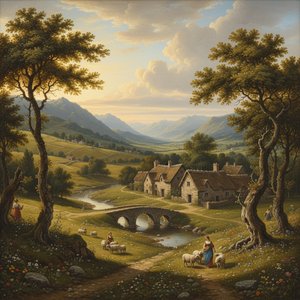
Evoking Arcadia: A Historical & Aesthetic Exploration of Rural Landscape Art
Explore the rich history of pastoral landscape art, from classical Arcadia to Impressionism & beyond. Discover key artists, movements, and how to collect serene rural scenes for your home. Expert insights at OriginalUniqueArt.

I 25 capolavori di John Constable: la poesia della natura inglese
Scopri i 25 capolavori di John Constable e il Romanticismo inglese. Esplora la collezione su OriginalUniqueArt.com.
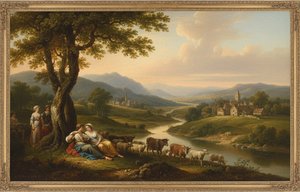
Idyllic Visions: Exploring the Pastoral Tradition in Western Art – Themes, Techniques & Enduring Appeal
Explore the rich history of pastoral art from classical Arcadia to contemporary interpretations. Discover key artists, themes & collecting tips at OriginalUniqueArt.

Idyllic Visions: Exploring the Pastoral Scene in Art History – From Arcadia to Modern Interpretations
Explore the captivating history of pastoral art from classical Arcadia to modern masterpieces. Discover key artists like Millet & Cole at OriginalUniqueArt. Find serene landscape paintings for your home.

