

 Condividi
 Condividi
 Dettagli
 Guida stampabile

 Scarica
 Articoli simili
 Slideshow
 Statistiche
Strawberry Thief
 Textile
- Arts and Crafts
 1936
1936 88.0 x 99.0 cm
 Cleveland Museum of Art
 Leggi tutto
Giclée / Stampe d'arte
Stampa giclée o su tela di qualità museale, con produzione rapida e diverse opzioni di finitura. ( Ordina la riproduzione dipinta a mano Passa all'immagine digitale)




































Scegli tra le nostre dimensioni predefinite, che rispettano le proporzioni originali dell'opera d'arte.

È possibile inserire dimensioni personalizzate per adattare l'opera a una cornice o a uno spazio specifico. Se la dimensione selezionata non corrisponde alle proporzioni dell'immagine originale, procederemo al ritaglio dell'opera o all'estensione dell'immagine con un bordo specchiato o a tinta unita. Un mockup digitale ti verrà inviato per approvazione prima dell'inizio della produzione.
Si prega di notare che l'anteprima a schermo non riflette il ritaglio o l'estensione effettivi. Solo il mockup mostrerà accuratamente la composizione finale.
Sebbene siano disponibili dimensioni personalizzate, si raccomanda di selezionare una dimensione dall'elenco predefinito per preservare le proporzioni originali.
Consegna in tutto il mondo () in 2 settimane invece delle normali 4/5 settimane. (26 Settembre)

Spedizione espressa gratuita in tutto il mondo

Tela in lino di alta qualità

Assicurazione completa sulla spedizione

Garanzia di rimborso dei dazi doganali

Garanzia di perfetta fedeltà cromatica

Politica di reso entro 100 giorni (solo per difetti di fabbricazione)

Garanzia di rimborso al 100%

Sconto per acquisti multipli
 L'opzione vetro è disponibile solo per dimensioni inferiori a 110 cm

Strawberry Thief
Giclée / Stampe d'arte
Dimensioni della riproduzione
-


Prezzo totale
$ 80
William Morris’s “Strawberry Thief”: A Tapestry of Thrushes and Rebellion
William Morris's "Strawberry Thief," completed in 1936, isn’t merely a decorative textile; it’s a vibrant distillation of the Arts and Crafts movement’s core tenets – a celebration of nature, a rejection of industrialization, and a subtle yet potent expression of social critique. This iconic design, now instantly recognizable, draws its inspiration from Morris's own garden at Kelmscott Manor in Oxfordshire, specifically the mischievous thrushes that frequented his fruit beds. The scene depicted isn’t one of idyllic pastoral beauty, however; it’s imbued with a sense of playful disruption and quiet rebellion against the rigid order of the established world.
The design itself is a masterclass in Morris's signature techniques. It employs the revolutionary “indigo-discharge” process – a painstaking method that demanded the entire cloth be dyed a deep blue before being meticulously bleached and then block printed with multiple colors. This technique, perfected at Merton Abbey, allowed for incredibly nuanced shades of color and a remarkable level of detail, far surpassing the capabilities of earlier printing methods. The vibrant reds of the strawberries, the earthy browns of the branches, and the delicate greens of the foliage are all rendered with astonishing precision, showcasing Morris’s unparalleled skill as a textile designer. The intricate patterns of the birds themselves – each subtly different in posture and plumage – demonstrate his meticulous attention to detail and his deep understanding of avian anatomy.
A Garden of Symbolism
Beyond its technical brilliance, “Strawberry Thief” is rich with symbolic meaning. The thrushes, far from being simply charming garden visitors, represent a challenge to the established order. They are depicted as bold, almost audacious figures, stealing fruit and disrupting the carefully cultivated landscape. This imagery resonated deeply with Morris’s socialist leanings; he saw in the thrush's defiance a metaphor for the downtrodden masses resisting oppressive social structures. The abundance of strawberries themselves – a symbol of fertility and prosperity – further underscores this theme, suggesting that true wealth lies not in material possessions but in connection to nature and community.
The inclusion of apples, scattered amongst the berries, adds another layer of complexity. Apples have long been associated with knowledge, temptation, and the fall from grace—references to biblical stories and folklore. Their presence here subtly hints at a critique of societal excess and the dangers of unchecked ambition. The careful arrangement of these fruits creates a dynamic composition, drawing the eye across the textile and inviting contemplation.
The Legacy of Kelmscott Manor
"Strawberry Thief" is inextricably linked to the atmosphere of Kelmscott Manor, where it was conceived and created. This secluded retreat served as Morris’s sanctuary – a place where he could escape the pressures of London society and immerse himself in the beauty of the English countryside. The design reflects his deep connection to this landscape, capturing its essence with remarkable fidelity. The textile embodies the Arts and Crafts movement's core values: a reverence for craftsmanship, a commitment to natural materials, and a desire to create objects that are both beautiful and meaningful.
Furthermore, the piece’s creation coincided with Morris’s growing interest in social reform and his belief in the importance of traditional crafts. He saw these skills as vital to preserving cultural heritage and fostering a sense of community. “Strawberry Thief” can be viewed as an embodiment of this philosophy – a celebration of rural life, a critique of industrialization, and a testament to the enduring power of handmade objects.
A Timeless Appeal
More than eighty years after its creation, "Strawberry Thief" continues to captivate audiences with its vibrant colors, intricate details, and profound symbolism. It’s a design that transcends time and style, retaining its relevance in today's world. Its enduring popularity is a testament to Morris’s genius as a designer and his ability to capture the essence of beauty, nature, and social commentary within a single textile. Reproductions of this iconic piece offer a window into a bygone era – a reminder of a time when craftsmanship was valued above all else and when art had the power to inspire both aesthetic appreciation and social change.
Biografia dell'artista
Primi Anni di Vita e Formazione
- Nascita e Famiglia: William Morris nacque il 24 marzo 1834 a Walthamstow, Essex, in Inghilterra, da una famiglia benestante della classe media. Suo padre era un finanziere di successo.
- Influenze Infantili: Morris trascorse gran parte della sua infanzia esplorando la campagna intorno alla sua casa, sviluppando un precoce apprezzamento per la natura e gli edifici storici. Fu affascinato dalle storie di cavalleria medievale e romanticismo.
- Educazione a Oxford: Frequentò l'Università di Oxford, inizialmente con l'intenzione di entrare nel clero. Tuttavia, si interessò sempre più all'arte e alla letteratura, unendosi a un gruppo di studenti noto come “The Set” o “The Brotherhood.”
- Influenze Chiave: A Oxford, Morris fu profondamente influenzato dagli scritti di John Ruskin, che sosteneva un ritorno all'artigianato e criticava gli effetti disumanizzanti dell'industrializzazione. Strinse anche una stretta amicizia con Edward Burne-Jones.
Sviluppo Artistico e il Movimento Arts & Crafts
- Primi Tentativi Artistici: Dopo Oxford, Morris intraprese brevemente l'architettura ma si dedicò presto alla pittura, lavorando insieme a Dante Gabriel Rossetti a progetti murali.
- Fondazione di Morris, Marshall, Faulkner & Co.: Nel 1861, co-fondò la società di arti decorative Morris, Marshall, Faulkner & Co., in seguito nota come Morris & Co., con Burne-Jones, Rossetti, Philip Webb e altri. Questo segnò un momento cruciale nella sua carriera.
- La Filosofia Arts & Crafts: Morris divenne una figura guida nel movimento Arts & Crafts, che promuoveva l'artigianato manuale rispetto alla produzione di massa. Credeva che l'arte dovesse essere integrata nella vita quotidiana e accessibile a tutti.
- Red House e Design Collaborativo: Il lavoro iniziale della società fu fortemente influenzato dal design di Red House, una casa commissionata da Morris a Philip Webb. Rappresentava l'ideale Arts & Crafts di creare un ambiente estetico unificato attraverso arredi e decorazioni realizzati a mano.
Opere Principali e Contributi Artistici
- Design Tessili: Morris è più rinomato per i suoi iconici design tessili, caratterizzati da motivi floreali fluenti, fogliame intricato e colori ricchi. Le sue carte da parati e i suoi tessuti divennero molto richiesti.
- Design di Carte da Parati: Rivoluzionò il design delle carte da parati, allontanandosi dagli stili sterili e imitativi dell'epoca vittoriana per creare motivi ispirati alla natura che erano sia belli che funzionali.
- Produzione di Arazzi: Morris rilanciò l'arte della tessitura di arazzi, producendo grandi arazzi narrativi basati su romanzi medievali e leggende arturiane.
- Design di Mobili: Morris & Co. produsse mobili esteticamente gradevoli e ben fatti, spesso incorporando motivi gotici e dettagli realizzati a mano.
- Kelmscott Press: Nel 1890, Morris fondò la Kelmscott Press, una tipografia privata dedicata alla produzione di libri di alta qualità con bella tipografia e illustrazioni. Il suo lavoro presso la Kelmscott Press influenzò il design moderno dei libri.
Impegno Letterario e Attivismo Socialista
- Poesia e Prosa: Morris fu uno scrittore prolifico, producendo poesie, romanzi e traduzioni. Le sue opere letterarie esploravano spesso temi come la natura, il romanticismo medievale e la giustizia sociale.
- Opere Letterarie Notevoli: È noto per il suo poema epico *The Earthly Paradise* (1868-1870), il romanzo utopistico *News from Nowhere* (1890) e il romanzo fantasy *The Well at the World's End* (1896).
- Traduzioni di Saghe Islandesi: Morris fu un abile traduttore, rendendo in inglese le saghe islandesi, introducendo queste antiche narrazioni a un pubblico più vasto.
- Convinzioni Socialiste: Morris si impegnò sempre più nella politica socialista, sostenendo la riforma sociale e i diritti dei lavoratori. Credeva che l'arte dovesse essere accessibile a tutti i membri della società, non solo all'élite ricca.
Eredità e Significato Storico
- Influenza sul Design: I design di William Morris continuano a ispirare artisti e designer oggi. La sua enfasi sull'artigianato, le forme naturali e il design integrato ha avuto un impatto duraturo sulla decorazione d'interni, l'arte tessile e la grafica.
- Impatto del Movimento Arts & Crafts: Il suo ruolo nel movimento Arts & Crafts contribuì a sfidare le norme estetiche prevalenti dell'epoca vittoriana e a promuovere un approccio più umano alla produzione.
- Sforzi di Conservazione: Morris fu anche un pioniere nella conservazione, sostenendo la preservazione degli edifici storici e dei paesaggi.
- Appeal Duraturo: La William Morris Gallery a Walthamstow conserva la sua eredità, esponendo le sue opere e fornendo informazioni sulla sua vita e sulle sue idee. I suoi design rimangono popolari e sono ampiamente riprodotti.
- L'impegno di Morris per la bellezza, l'artigianato e la giustizia sociale continua a risuonare con il pubblico odierno, consolidando il suo posto come figura significativa nell'arte e nella cultura britannica.

William Morris
1834 - 1896 , Regno Unito
Informazioni rapide
- Artisti Che Lo Influenzarono:
- John Ruskin
- D.G. Rossetti
- Artisti/Movimenti Influenzati: ['Arts and Crafts']
- Data Di Morte: 3 ottobre 1896
- Data Di Nascita: 24 marzo 1834
- Luogo Di Nascita: Walthamstow, Regno Unito
- Movimento Artistico: Arts and Crafts
- Nazionalità: Britannico
- Nome Completo: William Morris
- Opere Notevoli:
- Il paradiso terrestre
- News from Nowhere
Articoli correlati

Beyond the Canvas: Unveiling the Timeless Grandeur and Tactile Artistry of Textile Masterpieces
Embark on a sophisticated journey through the tactile realm of textile art. Unveil the historical evolution from utilitarian craft to museum-grade masterpieces, exploring the intricate textures and legendary artists that redefine the boundaries of fine art.

The Arts and Crafts Movement: A Procurement Guide to Timeless Design for Luxury Hotel Interiors
Elevate hospitality interiors with the timeless Arts and Crafts movement. A professional procurement guide for hotel designers on sourcing William Morris motifs, large-scale murals, and hand-painted reproductions to create enduring, high-end guest experiences.
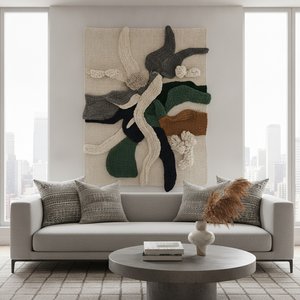
Beyond Canvas: Why Textile Art is the Next High-Impact Trend for Modern Interior Design
Discover why textile art is the next major trend in interior design. Explore how tactile fibers, bold textures, and sustainable mixed media are redefining modern urban spaces and bringing high-impact energy to contemporary collections.

Woven Wonders: A Beginner's Guide to Elevating Your New Home with Timeless Textile Art
Discover how to transform your new home with the warmth of textile art. Our expert guide for newlyweds explores handwoven tapestries, tactile fibers, and timeless ways to curate a soulful, sophisticated interior through beautiful woven wonders.

Sir William Blake Richmond: A Visionary of Aestheticism & Symbolism
Explore the life & art of Sir William Blake Richmond, a pivotal figure bridging Pre-Raphaelitism and Aestheticism. Discover his stunning portraits, mosaics at St Paul's Cathedral, and lasting influence on Victorian art.


