

 Anteprima in scala reale
 Condividi
 Condividi
 Dettagli
 Guida
Guida

 Scarica
 Articoli simili
 Radiografia
 Slideshow
 Statistiche
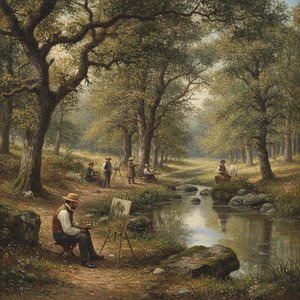
Untitled (D2WVSV)
 Acrylic On Canvas
- WallArt
- Barbizon School
 1852
1852 117.0 x 90.0 cm
 Metropolitan Museum of Art
 Leggi tutto
Riproduzione a olio fatta a mano
Olio su tela dipinto a mano nelle tue dimensioni e con la tua cornice, realizzato su ordinazione dai nostri artisti. ( Passa alle stampe Passa all'immagine digitale)




P118B $10

P118H $10

P118W $10

P438Z $10

P508JH $12

P508YH $12

P805H $10

P805Z $10

P919BZ $10

P919G $10

P919XJ $10

P959ZH $10

P968JZ $12

W106C $8

W218G $10

W218JH $8

W218Y $10

W307PJ $10

W316G $10

W316PJ $8

W316Y $10

W398PJ $8

W4111J $10

W500HY $15

W500JH $15

W692G $12

W849H $8

W940BG $15

W953PJ $8




Scegli tra le nostre dimensioni predefinite, che rispettano le proporzioni originali dell'opera d'arte.

È possibile inserire dimensioni personalizzate per adattare l'opera a una cornice o a uno spazio specifico. Se la dimensione selezionata non corrisponde alle proporzioni dell'immagine originale, provvederemo a ritagliare l'opera o a estendere il dipinto con elementi aggiuntivi dipinti a mano. Un mockup digitale ti sarà inviato per approvazione prima dell'inizio della produzione.
Si prega di notare che l'anteprima a schermo non riflette il ritaglio o l'estensione effettivi. Solo il mockup mostrerà accuratamente la composizione finale.
Sebbene siano disponibili dimensioni personalizzate, consigliamo di selezionare una dimensione dall'elenco predefinito per preservare le proporzioni originali.
Dopo l'ordine, il team di OriginalUniqueArt.com contatterà il cliente via e-mail per ricevere le istruzioni e fornirà un'anteprima del mockup
Consegna in tutto il mondo () in 3/4 settimane anziché nelle normali 5 settimane. (21 Settembre). Nessun compromesso sulla qualità.

Spedizione espressa gratuita in tutto il mondo

Tela in lino di alta qualità

Assicurazione completa sulla spedizione

Garanzia di rimborso dei dazi doganali

Garanzia di perfetta fedeltà cromatica

Politica di reso entro 100 giorni (solo per difetti di fabbricazione)

Garanzia di rimborso al 100%

Sconto per acquisti multipli
 L'opzione vetro è disponibile solo per dimensioni inferiori a 110 cm

Untitled (D2WVSV)
Tecnica di riproduzione
Dimensioni della riproduzione
-


Prezzo totale
$ 300
A Moment Frozen in Time: Unveiling William Morris Hunt's "Untitled (D2WVSV)"
William Morris Hunt’s 1852 painting, “Untitled (D2WVSV),” is more than a simple portrait; it’s a carefully constructed tableau of observation and subtle emotion. Measuring a modest 117 x 90 cm, the work immediately draws the viewer in with its restrained palette – primarily grays and muted earth tones – that evokes the atmosphere of an early autumn afternoon. The subject, a woman positioned outdoors against a backdrop of trees and a delicate fountain, appears lost in thought, her hand resting lightly on a wall as if seeking support or simply pausing to consider something unseen. Her gaze is directed off-camera, inviting us into her private world, creating an immediate sense of intimacy and intrigue.
Hunt’s choice of subject matter—a woman engaged in quiet contemplation—reflects the burgeoning interest in psychological realism that was gaining traction within American art during the mid-19th century. He wasn't interested in grand narratives or dramatic displays; instead, he sought to capture the nuances of human experience – the fleeting expressions, the unspoken thoughts, and the subtle gestures that reveal a person’s inner life. This approach aligns closely with the Barbizon School, which emphasized direct observation of nature and the depiction of everyday subjects with an emphasis on tonal values and atmospheric effects.
The Barbizon Influence: Light, Shadow, and the Essence of Nature
Born in Brattleboro, Vermont, William Morris Hunt’s artistic journey was profoundly shaped by his exposure to European art, particularly the Barbizon School. Inspired by Jean-François Millet, Hunt embraced the Barbizon's philosophy of painting *en plein air* – directly from nature – and its focus on capturing the effects of light and atmosphere. This is evident in “Untitled (D2WVSV)” through the masterful use of chiaroscuro; the interplay of light and shadow creates a sense of depth and volume, while subtly highlighting the woman’s face and hand. The loose brushwork and textured surfaces further contribute to the painting's naturalistic quality, mirroring Millet’s own approach.
The inclusion of the fountain and trees in the background isn’t merely decorative; they serve as anchors for the composition, grounding the figure within a believable landscape. Hunt skillfully renders the foliage with a delicate touch, suggesting movement and texture through subtle variations in tone and brushstroke. The clock visible in the scene adds an intriguing layer of symbolism – perhaps representing the passage of time or inviting contemplation on mortality, themes frequently explored by artists of the era.
Symbolism and Emotional Resonance
While the painting’s title is “Untitled,” it's clear that Hunt intended to convey a specific mood. The woman’s averted gaze suggests a moment of introspection or perhaps a longing for something beyond her immediate surroundings. Her posture—relaxed yet poised—evokes a sense of quiet dignity and resilience. The wall she touches could symbolize support, reflection, or even a barrier between herself and the unseen subject of her thoughts.
Considering Hunt’s own life – his struggles with artistic recognition, his travels across Europe, and his eventual return to America – it's possible that this painting represents a personal meditation on themes of identity, belonging, and the search for meaning. The subdued colors and contemplative atmosphere invite viewers to project their own emotions and experiences onto the scene, transforming “Untitled (D2WVSV)” into a deeply resonant portrait of human experience.
A Reproduction Worth Cherishing
OriginalUniqueArt offers meticulously hand-painted reproductions of William Morris Hunt’s “Untitled (D2WVSV),” capturing the essence of this remarkable work with unparalleled detail and fidelity. Each reproduction is created by skilled artists who understand the nuances of Hunt's technique, ensuring that you receive a piece that truly honors the original painting. Whether displayed in your home or office, this reproduction will serve as a beautiful reminder of the power of observation, contemplation, and the enduring legacy of American art.
Biografia dell'artista
William Morris Hunt: Una Figura Chiave della Pittura Barbizon Americana
- Nato: Brattleboro, Stati Uniti d'America (1824)
- Morto: 1879
Primi Anni e Formazione Europea
William Morris Hunt nacque in una famiglia di spicco nel Vermont. La sua linea paterna risaliva ai fondatori del Vermont, mentre sua madre proveniva da una ricca famiglia del Connecticut. Inizialmente frequentò l'Harvard College, ma la lasciò prima di completare il suo terzo anno. Riconoscendo le inclinazioni artistiche dei suoi figli, sua madre, Jane Leavitt Hunt, sfidò le aspettative sociali e trasferì la famiglia in Europa – Svizzera, Francia meridionale e Roma – per fornire loro l'accesso alle principali accademie d'arte.
La formazione iniziale di Hunt includeva studi sotto Thomas Couture a Parigi, dove fu esposto a tecniche classiche. Tuttavia, un momento cruciale arrivò alla Salon di Parigi del 1851 quando incontrò "Il Sematore" di Jean-François Millet. Questo incontro influenzò profondamente Hunt, portandolo a trascorrere due anni studiando direttamente con Millet a Barbizon. Questo periodo si rivelò formativo, plasmando il suo stile artistico e il suo carattere.
Stile Artistico e Influenze
Hunt divenne un sostenitore significativo della Scuola di Barbizon in America, promuovendo l'osservazione diretta della natura e un rifiuto delle convenzioni accademiche eccessive. Il suo lavoro rifletteva questa influenza, caratterizzato da pennellate lasse, rappresentazioni realistiche della vita rurale e un'enfasi sulla cattura degli effetti atmosferici.
- Influenze Chiave: Jean-François Millet (realismo, raffigurazione della vita contadina), Thomas Couture (formazione classica), Scuola di Barbizon (pittura en plein air, naturalismo).
Lo storico David McCullough ha notato che la formazione di Hunt in Francia aveva significativamente fatto progredire il suo sviluppo artistico. S.G.W. Benjamin ha riconosciuto il ruolo di Hunt nel dirigere i giovani artisti americani verso Parigi e Monaco, favorendo un cambiamento verso tecniche più audaci e una maggiore enfasi sullo stile.
Carriera e Opere Principali
Dopo essere tornato negli Stati Uniti nel 1855, Hunt sposò Louise Dumaresq Perkins, stabilendosi come pittore di ritratti popolare a Boston. Sebbene abbia prodotto numerosi ritratti di figure importanti come William M. Evarts, Charles Francis Adams e il senatore Charles Sumner, i suoi paesaggi rimasero centrali nella sua identità artistica.
- Dipinti Notabili:
- Il Bambino in Ritardo
- Ragazza alla Fontana
- Fanciullo con la Scacciapensieri
- Veduta del Fiume St. Johns (1874)
- Donna con una Mucca (1874)
- Cascate del Niagara (1878)
Tragicamente, molti dei dipinti di Hunt e una preziosa collezione di arte francese, compreso "Il Sematore" di Millet, andarono persi nel Grande Incendio di Boston del 1872. In seguito alla sua carriera, si concentrò sempre più sui paesaggi americani, culminando in una serie di vedute mozzafiato delle Cascate del Niagara nel 1878.
Gli Ultimi Anni e l'Eredità
Le opere successive di Hunt includevano murales per il Palazzo dello Stato a Albany, New York, raffiguranti scene allegoriche. Tuttavia, questi murales si deteriorarono rapidamente a causa di un'installazione difettosa, portando alla profonda delusione di Hunt e contribuendo a un periodo di depressione. Documentò la sua filosofia artistica nel suo libro, "Talks About Art" (1878), che ricevette notevoli apprezzamenti.
L'eredità di Hunt si basa sul suo ruolo di campione della Scuola di Barbizon in America, sulla sua influenza sui giovani artisti e sui suoi contributi alla pittura di ritratti e paesaggi americani. Incoraggiò un cambiamento verso il realismo e la pittura en plein air, lasciando un impatto duraturo sullo sviluppo dell'arte americana nel XIX secolo.

William Morris Hunt
1824 - 1879 , Stati Uniti d'America
Informazioni rapide
- Artistic Movement Or Style: Barbizon, Realismo
- Artists Or Movements Influenced By This Artist: ['Pittori americani']
- Artists Who Influenced This Artist:
- Thomas Couture
- Jean-François Millet
- Date Of Birth: 31 marzo 1824
- Date Of Death: 8 settembre 1879
- Full Name: William Morris Hunt
- Nationality: Americano
- Notable Artworks:
- The Belated Kid
- Girl at the Fountain
- Hurdy-Gurdy Boy
- View of St. Johns River
- Woman with Cow
- Niagara Falls
- Place Of Birth: Brattleboro, USA
Articoli correlati
The Barbizon School: A Professional Guide to Naturalism and Landscape Mastery for Interior Designers
Explore the Barbizon School's mastery of naturalism. An expert guide for hotel designers and procurement managers on sourcing high-quality landscape reproductions to elevate hospitality and corporate interiors with authentic, large-scale fine art solutions.
The Barbizon School: The Soulful Origins of Impressionism's Natural Light and Atmospheric Mastery
Discover the profound influence of the Barbizon School on Impressionism. Explore how these masters captured natural light and atmospheric beauty through plein air painting, paving the way for Monet and Renoir. A journey into the soulful origins of landscape art history.
William Henry Hunt: Luminosity & Detail in Early 19th-Century Watercolour Painting
Explore the captivating watercolour paintings of William Henry Hunt (1790-1864). Discover his mastery of naturalistic detail, luminous technique & influence on 19th-century art. Learn about collecting Hunt's work and its enduring value.
Capturing the Grey Light: A Journey Through the Soulful Atmosphere of the Hague School
Explore the evocative beauty of the Hague School. Discover how Dutch masters captured the soulful 'grey light' through atmospheric realism and tonalism, paving the way for Impressionism. A deep dive into the misty landscapes and emotional depth of this legendary art movement.
The Barbizon School: The Revolution of Naturalism and the Birth of Plein Air Landscape Painting
Explore the profound impact of the Barbizon School on landscape painting. Discover how masters like Rousseau and Corot revolutionized art through plein air naturalism, moving from academic idealism to the authentic beauty of the French countryside.
