Anteprima in scala reale
 Invia
Invia Condividi
 Dettagli opera
 Guida
Guida

 Scarica
 Simili
 Radiografia
 Slideshow
 Domande e risposte
 Statistiche
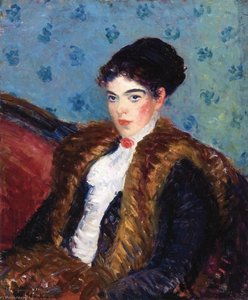
Fruit and a White Rose


 Espandi i dettagli
Giclée / Stampe d'arte
Stampa giclée o su tela di qualità museale, con produzione rapida e diverse opzioni di finitura. ( Acquista il dipinto realizzato a mano Passa all'immagine digitale)




P118B €10

P118H €10

P118W €10

P438Z €10

P508JH €12

P508YH €12

P805H €10

P805Z €10

P919BZ €10

P919G €10

P919XJ €10

P959ZH €10

P968JZ €12

W106C €8

W218G €10

W218JH €8

W218Y €10

W307PJ €10

W316G €10

W316PJ €8

W316Y €10

W398PJ €8

W4111J €10

W500HY €15

W500JH €15

W692G €12

W849H €8

W940BG €15

W953PJ €8




Scegli tra le nostre dimensioni predefinite, che rispettano le proporzioni originali dell'opera d'arte.

Inserisci la larghezza e l'altezza desiderate, per adattarle alla tua cornice o alla tua parete. Una stampa può essere solo ritagliata, mai resa più grande dell'immagine originale; pertanto, un formato con una forma differente comporterà la perdita di una parte dell'opera. Ti invieremo un mockup digitale da approvare prima di procedere con la stampa. L'immagine mostrata in questa pagina non rappresenta il ritaglio reale — solo il mockup lo mostra.
Consegna in tutto il mondo () in 2 settimane invece delle normali 4/5 settimane. (3 Novembre)

Spedizione espressa gratuita in tutto il mondo

Tela in lino di alta qualità

Assicurazione completa sulla spedizione

Garanzia di rimborso dei dazi doganali

Garanzia di fedeltà cromatica assoluta

Politica di reso entro 100 giorni (solo per difetti di fabbricazione)

Garanzia di rimborso al 100%

Offerta per acquisti multipli
 L'opzione vetro è disponibile solo per dimensioni inferiori a 110 cm

Fruit and a White Rose
Giclée / Stampe d'arte
Dimensioni riproduzione
-


Prezzo finale calcolato
€ 72
Introduction to William James Glackens and ‘Fruit and a White Rose’
William James Glackens stands as a pivotal figure in American art, inextricably linked to the rise of the Ashcan School. This movement, born from a desire to depict unfiltered reality rather than idealized visions, sought to capture the pulse of urban life – its grit, its beauty, and its inherent contradictions. ‘Fruit and a White Rose,’ painted in 1930, exemplifies Glackens’ commitment to this aesthetic, offering a deceptively simple still life that resonates with profound historical and artistic significance. The painting, currently residing within the Museum of Art in Fort Lauderdale, United States, is more than just a depiction of fruit; it's a window into the sensibilities of an era grappling with modernity.
Composition and Technique: A Masterclass in Realism
Glackens’ masterful handling of oil on panel immediately draws the viewer into the scene. The composition is anchored by a prominent table, acting as both stage and backdrop to the vibrant arrangement of fruit. The artist's meticulous attention to detail is evident in the layering of textures – the smooth skin of the apples, the plumpness of the grapes, and the subtle variations in the oranges’ surfaces. Multiple apples are strategically placed, creating a sense of depth and inviting the eye to wander across the bowl. The use of color is particularly noteworthy; Glackens employs a restrained palette—muted reds, yellows, and browns—that enhances the realism rather than overwhelming it. This technique reflects a conscious decision to prioritize observation and direct representation over purely expressive gestures, aligning him with the core tenets of the Ashcan School.
Historical Context: The Ashcan School and the Spirit of New York
'Fruit and a White Rose' was created during a transformative period in American history. The 1930s witnessed rapid urbanization, industrial growth, and social change in New York City – themes frequently explored by Glackens and his contemporaries. The Ashcan School emerged as a reaction against the academic traditions of the time, seeking to portray the lives of ordinary people—immigrants, laborers, and artists—within the city’s bustling streets. The painting's subject matter – everyday objects arranged in a still life – subtly reflects this concern with the mundane, elevating it through Glackens’ skilled execution. The Burton Art Gallery’s founding in 1930 further underscores the artistic climate of the time, highlighting a dedication to showcasing contemporary art and historical artifacts.
Symbolism and Emotional Impact
Beyond its technical brilliance, ‘Fruit and a White Rose’ possesses a quiet emotional resonance. The inclusion of a white rose adds an element of delicate beauty to the otherwise robust scene, perhaps representing fleeting moments of grace or contemplation amidst the chaos of urban life. The arrangement itself – a collection of fruits ripe for consumption – can be interpreted as a symbol of abundance and nourishment, yet also hints at the transient nature of pleasure. Glackens’ ability to evoke such subtle emotions through seemingly simple imagery is a testament to his artistic vision and his profound understanding of human experience. The painting's enduring appeal lies in its capacity to connect with viewers on an intuitive level, prompting reflection on themes of beauty, mortality, and the everyday wonders of the world.
Domande e risposte
Che livello di saturazione hanno i colori di "Fruit and a White Rose" di William James Glackens?
I colori di "Fruit and a White Rose" di William James Glackens presentano una saturazione Clear Color Presence. La saturazione indica quanto i colori siano vivaci o attenuati.
Quale collocazione si adatta meglio al formato di "Fruit and a White Rose" di William James Glackens?
Il formato (Landscape) e l'ambiente consigliato (Living Room) sono i due dettagli di posizionamento registrati per "Fruit and a White Rose" di William James Glackens.
A quale movimento artistico appartiene "Fruit and a White Rose" di William James Glackens?
"Fruit and a White Rose" è un'opera di Ashcan School. Il movimento indica la tradizione artistica di cui l'opera fa parte.
Biografia dell'artista
Un pioniere dell'Ashcan School
William James Glackens, una figura di spicco nell'arte americana, ha lasciato un segno indelebile sulla tela della storia con i suoi affascinanti dipinti realistici. Nato a Philadelphia, Pennsylvania, nel 1870, il percorso artistico di Glackens è stato una testimonianza della sua incrollabile passione per catturare l’essenza della vita quotidiana.Vita e influenze iniziali
Gli anni formativi di Glackens furono segnati da una naturale inclinazione verso l'arte, che lo portò a iscriversi alla Pennsylvania Academy of the Fine Arts. Sotto la guida di Thomas Anshutz, un rinomato realista, Glackens affinò le sue capacità, diventando infine uno dei fondatori dell'Ashcan School. Questo movimento rifiutava i confini convenzionali della bellezza artistica, concentrandosi invece sulle aspre realtà della vita metropolitana.Carriera Artistica
Il lavoro di Glackens è caratterizzato dalle sue scene di strada dai toni scuri e vibranti e dalle raffigurazioni della vita quotidiana nella New York e Parigi pre-belliche. I suoi pezzi successivi, influenzati da Renoir, presentavano un tono più luminoso, riflettendo la sua crescita come artista. Notabilmente, Glackens lavorò anche come illustratore per giornali e riviste a Philadelphia e New York City.- Vista di Haarlem con terreni di sbiancamento, un dipinto di Jacob Isaakszoon van Ruisdael (Ruisdael), esemplifica il livello di dettaglio e maestria che definisce l'opera di Glackens. Questo pezzo fa ora parte della collezione del Chrysler Museum of Art.
- Il capolavoro di Glackens, The Shoppers, è una testimonianza della sua abilità nel catturare l'essenza della vita urbana. Questo dipinto può essere trovato nella collezione New Realism su OriginalUniqueArt.com.
Evoluzione e Sviluppo Artistico
Nel corso della sua carriera, Glackens ha dimostrato una notevole capacità di adattamento e crescita artistica. Inizialmente influenzato dal realismo di Anshutz e dall'approccio diretto dell'Ashcan School, il suo stile si è evoluto incorporando elementi dell’impressionismo francese, in particolare l’opera di Renoir. Questa influenza è evidente nei suoi dipinti successivi, che presentano una tavolozza più luminosa e un approccio più libero alla pennellata, pur mantenendo la sua attenzione per i soggetti della vita quotidiana. La sua esperienza come illustratore gli ha fornito anche una solida base nella composizione e nel disegno, elementi che sono evidenti in tutta la sua opera.Eredità e Significato Storico
I contributi di Glackens all'arte americana sono molteplici, estendendosi oltre il suo lavoro personale. Ha svolto un ruolo fondamentale nell’aiutare Albert C. Barnes ad acquisire dipinti europei per la Barnes Foundation a Philadelphia. Questa collezione è diventata un pilastro della storia dell'arte americana. Opere chiave e collezioni: * The Shoppers (New Realism, olio su tela, Chrysler Museum of Art) * Vista di Haarlem con terreni di sbiancamento (Ruisdael, Castello Sforzesco, Milano, Italia) Letture consigliate: * [https://OriginalUniqueArt.com/@/william-james-glackens](https://OriginalUniqueArt.com/@/william-james-glackens) - Esplora l'ampia collezione di opere di Glackens su OriginalUniqueArt.com. * [https://en.wikipedia.org/wiki/william_glackens](https://en.wikipedia.org/wiki/william_glackens) - Approfondisci la biografia dettagliata di William James Glackens su Wikipedia.
William James Glackens
1870 - 1938 , Stati Uniti d'America
Dettagli rapidi
- Artistic Movement Or Style: Ashcan School, Realismo Americano
- Artists Or Movements Influenced By This Artist: ['Albert C. Barnes']
- Artists Who Influenced This Artist:
- Thomas Anshutz
- Renoir
- Date Of Birth: 1870
- Date Of Death: 1938
- Full Name: William James Glackens
- Nationality: Americano
- Notable Artworks:
- The Shoppers
- View of Haarlem with Bleaching Grounds
- Place Of Birth (City And Country): Filadelfia, Stati Uniti
Articoli correlati
Nature's Bounty: The Art History of Fruit Arrangement Masterpieces and the Baroque Still Life Tradition
Explore the profound beauty of fruit arrangement masterpieces. From Dutch Golden Age opulence to Baroque chiaroscuro, discover the art history, symbolism, and timeless elegance of classical still life paintings for the discerning collector.
Nature's Bounty: The Timeless Allure and Art History of Fruit Still Life Paintings
Discover the profound beauty of fruit still life paintings. Explore the rich symbolism, Baroque mastery, and timeless allure of nature's bounty through an art-historical lens, perfect for collectors and enthusiasts of classical fine art.
William Glackens e la Cattura della Vita Americana Moderna attraverso il Realismo dell'Ashcan School
Esplora la rivoluzionaria Ashcan School e l'opera di William Glackens, maestro del Realismo Americano. Analisi approfondite, biografie e consigli per collezionisti appassionati d'arte moderna.

The Enduring Legacy of Oil on Canvas: Technique, History & Aesthetic Impact
Explore the rich history & techniques of oil painting – from Renaissance masters to Impressionism. Discover pigments, layering methods, and why this timeless medium endures. Expert insights for artists & art enthusiasts.

The Bountiful Still Life: Symbolism & Artistic Representation of Fruit Across Art History
Explore the rich history of still life painting & the symbolism of fruit across art movements. Discover masterpieces from Caravaggio to Cézanne with OriginalUniqueArt – expert guidance & museum-quality reproductions.