
 Anteprima in scala reale
 Condividi
 Condividi
 Dettagli

 Scarica immagine
 Articoli simili
 Radiografia
 Slideshow
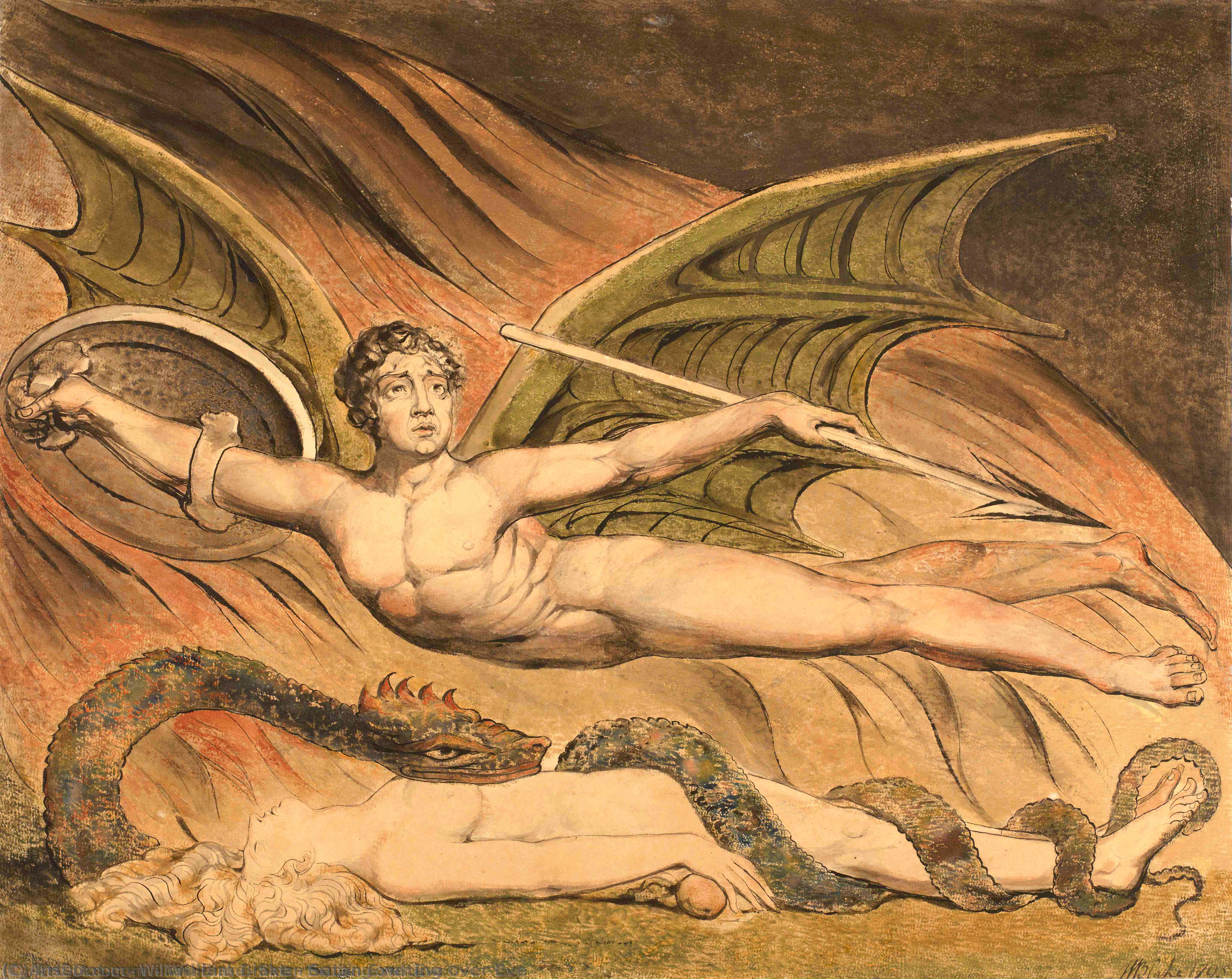
Satana che esulta su Eva
 Acrilico su carta
- Romanticism
 1795
1795- Pieno Medioevo
 40.0 x 53.0 cm
 Leggi tutto
Giclée / Stampe d'arte
Stampa giclée o su tela di qualità museale, con produzione rapida e diverse opzioni di finitura. ( Ordina la riproduzione dipinta a mano Acquista download)




P118B $10

P118H $10

P118W $10

P438Z $10

P508JH $12

P508YH $12

P805H $10

P805Z $10

P919BZ $10

P919G $10

P919XJ $10

P959ZH $10

P968JZ $12

W106C $8

W218G $10

W218JH $8

W218Y $10

W307PJ $10

W316G $10

W316PJ $8

W316Y $10

W398PJ $8

W4111J $10

W500HY $15

W500JH $15

W692G $12

W849H $8

W940BG $15

W953PJ $8




Scegli tra le nostre dimensioni predefinite, che rispettano le proporzioni originali dell'opera d'arte.

È possibile inserire dimensioni personalizzate per adattare l'opera a una cornice o a uno spazio specifico. Se la dimensione selezionata non corrisponde alle proporzioni dell'immagine originale, procederemo al ritaglio dell'opera o all'estensione dell'immagine con un bordo specchiato o a tinta unita. Un mockup digitale ti verrà inviato per approvazione prima dell'inizio della produzione.
Si prega di notare che l'anteprima a schermo non riflette il ritaglio o l'estensione effettivi. Solo il mockup mostrerà accuratamente la composizione finale.
Sebbene siano disponibili dimensioni personalizzate, si raccomanda di selezionare una dimensione dall'elenco predefinito per preservare le proporzioni originali.
Consegna in tutto il mondo () in 2 settimane invece delle normali 4/5 settimane. (14 Agosto)

Spedizione espressa gratuita in tutto il mondo

Tela in lino di alta qualità

Assicurazione completa sulla spedizione

Garanzia di rimborso dei dazi doganali

Garanzia di fedeltà cromatica dell'originale

Politica di reso entro 60 giorni (solo per difetti di fabbricazione)

Garanzia di rimborso al 100%

Sconto per acquisti multipli
 L'opzione vetro è disponibile solo per dimensioni inferiori a 110 cm

Satana che esulta su Eva
Giclée / Stampe d'arte
Dimensioni della riproduzione
-


Prezzo totale
$ 80
Descrizione del pezzo
Satan Exulting over Eve: Unveiling a Visionary Masterpiece
William Blake’s “Satan Exulting over Eve” is not merely a depiction of the biblical Fall; it's a profound and unsettling exploration of temptation, desire, and the very nature of human experience. Created in 1795, this pen and watercolor drawing transcends its mythological subject matter to become a powerful allegory for the complexities of choice and consequence. Blake, a figure perpetually ahead of his time, employed an innovative technique—a three-stage process involving sticky watercolors on stiff paper, stamping, and meticulous washes—to achieve a level of detail and symbolic resonance unparalleled in his era. The resulting image is both visually arresting and deeply psychologically charged, inviting viewers to confront their own vulnerabilities and the seductive power of transgression.
The scene itself is dramatically rendered: Satan, depicted with formidable wings and clutching a shield emblazoned with the word “Thou,” hovers triumphantly above Eve, who lies entangled in the coils of the serpent. The composition isn’t one of simple victory; rather, it's a moment of intense, almost predatory, satisfaction. Blake masterfully uses color to heighten the drama – earthy tones dominate, grounding the scene in a sense of earthly reality, yet punctuated by flashes of crimson and violet that suggest both passion and danger. The background is deliberately ambiguous, blending elements of the Garden of Eden with a darker, more infernal realm, reinforcing the idea that temptation resides not just in external forces but within our own hearts.
Technique and Innovation: A Revolutionary Approach
What truly distinguishes “Satan Exulting over Eve” is Blake’s groundbreaking artistic technique. He didn't rely on traditional watercolor methods; instead, he developed a unique system that combined the stickiness of watercolors with stamping and layering. This process allowed him to create incredibly detailed textures and imbue the image with a remarkable sense of depth and movement. The initial drawing was executed on stiff paper board using thick, sticky watercolors – a method that ensured the image wouldn’t bleed or blur during subsequent steps. This was then stamped onto another sheet of paper, creating an impressionistic base. Finally, Blake meticulously applied watercolor washes and pen and ink to refine the details, adding shadows, highlights, and symbolic elements. This multi-layered approach resulted in a surface that is both tactile and visually rich, capturing the dynamism of the scene with astonishing precision.
Symbolism and Allegory: A Journey into the Human Psyche
Beyond its narrative depiction of the Fall, “Satan Exulting over Eve” is laden with symbolic meaning. Satan isn’t simply a malevolent figure; he represents the primal forces of desire and temptation that reside within us all. Eve, while often portrayed as passive, here embodies a willingness to embrace the unknown, a curiosity that ultimately leads to both knowledge and consequence. The serpent itself symbolizes deception and the allure of forbidden knowledge – a potent reminder of the dangers of unchecked ambition. Blake’s genius lies in his ability to transform a biblical story into a universal allegory about human nature, exploring themes of free will, moral responsibility, and the eternal struggle between good and evil.
A Legacy of Vision: Blake's Enduring Influence
“Satan Exulting over Eve” is just one example of William Blake’s extraordinary body of work. His images, often imbued with mystical symbolism and philosophical depth, continue to captivate art enthusiasts and scholars alike. Blake’s works are housed in prestigious museums such as the Tate Gallery in London and The J. Paul Getty Museum in Los Angeles, testament to their enduring artistic merit. Reproductions of this powerful image offer a unique opportunity to experience Blake's visionary world—a world where imagination reigns supreme and the boundaries between reality and dream blur into one.
Biografia dell'artista
una vita segnata da spirito creativo
william blake, un artista, poeta e incisore visionario, ha lasciato un segno indelebile nel mondo dell'arte. Nato a Londra il 28 novembre 1757 e morto il 12 agosto 1827, la vita di Blake fu una testimonianza del suo profondo spirito creativo.primi anni e influenze
Gli anni giovanili di Blake furono segnati da un forte legame con le arti. Suo padre, william blake sr., un hosier, e sua madre, catherine wright, influenzarono le sue inclinazioni spirituali e artistiche. Questo lo portò a una tirocinio sotto la guida di francisco bartolozzi, un incisore.evoluzione artistica e opere notevoli
Il percorso artistico di Blake attraversò vari mezzi, tra cui pittura, poesia e incasso. Alcune delle sue opere più importanti includono:- the tyger (1795) - un capolavoro della letteratura romantica, che mostra il mix unico di Blake tra il mistico e il reale.
- the sickle (1803) - un esempio toccante della sua abilità nell'incasso, che riflette il suo profondo legame con la natura.
- the ghost of a flea (c. 1819–1820) - una testimonianza dell'approccio innovativo di Blake all'arte, che sfuma i confini tra realtà e fantasia.
musei con opere di Blake
- blake museum, Regno Unito - una tappa obbligatoria per ogni appassionato di Blake, che ospita una vasta collezione delle sue opere d'arte. [https://OriginalUniqueArt.com/@/william-blake](https://OriginalUniqueArt.com/@/william-blake)
- fulham public library, Regno Unito - sebbene non sia esclusivamente un museo di Blake, presenta diverse delle sue opere più importanti, offrendo una prospettiva unica sull'arte britannica. [https://OriginalUniqueArt.com/@@/a@d3bma9-discovering-the-artworks-of-fulham-public-library-united-kingdom](https://OriginalUniqueArt.com/@@/a@d3bma9-discovering-the-artworks-of-fulham-public-library-united-kingdom)
eredità e impatto
l'influenza di Blake sull'arte britannica è innegabile. Il suo mix unico tra il mistico, il profetico e l'immaginativo ha ispirato generazioni di artisti. Come precursore del movimento romantico, le opere di Blake continuano a sfuggire a una facile categorizzazione, rendendolo un pilastro della letteratura e dell'arte britannica.Ulteriori letture
Per saperne di più su William Blake e sulle sue opere, esplora:
William Blake
1757 - 1827 , Regno Unito
Informazioni rapide
- Artisti Influenti:
- Raphael
- Michelangelo
- Artisti Influenzati: ['Fratelli Preraffaelliti']
- Data Di Morte: 12 agosto 1827
- Data Di Nascita: 28 novembre 1757
- Luogo Di Nascita: Londra, Regno Unito
- Movimento Artistico: Romanticismo
- Nazionalità: Britannico
- Nome Completo: William Blake
- Opere Notevoli:
- The Tyger
- The Sickle
- Il Libro di Urizen
- La Resurrezione
Articoli correlati

William Blake: Visionario del Romanticismo e Genio Mistico dell'Immaginazione
Esplora il genio di William Blake, pittore e poeta visionario del Romanticismo inglese. Approfondimenti sulla sua arte simbolica, le tecniche innovative e l'eredità duratura. Guida all'acquisto e valutazione delle sue opere.

Sir William Blake Richmond: A Visionary of Aestheticism & Symbolism
Explore the life & art of Sir William Blake Richmond, a pivotal figure bridging Pre-Raphaelitism and Aestheticism. Discover his stunning portraits, mosaics at St Paul's Cathedral, and lasting influence on Victorian art.
Reginald Grenville Eves: Bridging Portraiture & Modern British Landscape Painting
Explore the life & work of Reginald Grenville Eves, a leading British portraitist who transitioned to captivating landscape painting. Discover his legacy and prominent works at OriginalUniqueArt.
Penry Williams: Evoking Welsh Nostalgia Through Impressionistic Landscapes
Explore the captivating world of Penry Williams (1802-1885), a Welsh artist renowned for his evocative Impressionistic landscapes and scenes of Italy. Discover his life, style & legacy with OriginalUniqueArt.

Christopher Williams: Deconstructing Representation & Materiality in Contemporary Art
Explore the groundbreaking work of Christopher Williams, a pivotal figure in contemporary art. This analysis delves into his deconstruction of representation, materiality, and institutional critique – essential reading for serious collectors.



