
 Anteprima in scala reale
 Condividi
 Condividi
 Dettagli

 Scarica immagine
 Articoli simili
 Radiografia
 Slideshow
Marilyn Monroe


 Leggi tutto
Giclée / Stampe d'arte
Stampa giclée o su tela di qualità museale, con produzione rapida e diverse opzioni di finitura. ( Ordina la riproduzione dipinta a mano Acquista download)




P118B $10

P118H $10

P118W $10

P438Z $10

P508JH $12

P508YH $12

P805H $10

P805Z $10

P919BZ $10

P919G $10

P919XJ $10

P959ZH $10

P968JZ $12

W106C $8

W218G $10

W218JH $8

W218Y $10

W307PJ $10

W316G $10

W316PJ $8

W316Y $10

W398PJ $8

W4111J $10

W500HY $15

W500JH $15

W692G $12

W849H $8

W940BG $15

W953PJ $8




Scegli tra le nostre dimensioni predefinite, che rispettano le proporzioni originali dell'opera d'arte.

È possibile inserire dimensioni personalizzate per adattare l'opera a una cornice o a uno spazio specifico. Se la dimensione selezionata non corrisponde alle proporzioni dell'immagine originale, procederemo al ritaglio dell'opera o all'estensione dell'immagine con un bordo specchiato o a tinta unita. Un mockup digitale ti verrà inviato per approvazione prima dell'inizio della produzione.
Si prega di notare che l'anteprima a schermo non riflette il ritaglio o l'estensione effettivi. Solo il mockup mostrerà accuratamente la composizione finale.
Sebbene siano disponibili dimensioni personalizzate, si raccomanda di selezionare una dimensione dall'elenco predefinito per preservare le proporzioni originali.
Consegna in tutto il mondo () in 2 settimane invece delle normali 4/5 settimane. (14 Agosto)

Spedizione espressa gratuita in tutto il mondo

Tela in lino di alta qualità

Assicurazione completa sulla spedizione

Garanzia di rimborso dei dazi doganali

Garanzia di fedeltà cromatica dell'originale

Politica di reso entro 60 giorni (solo per difetti di fabbricazione)

Garanzia di rimborso al 100%

Sconto per acquisti multipli
 L'opzione vetro è disponibile solo per dimensioni inferiori a 110 cm

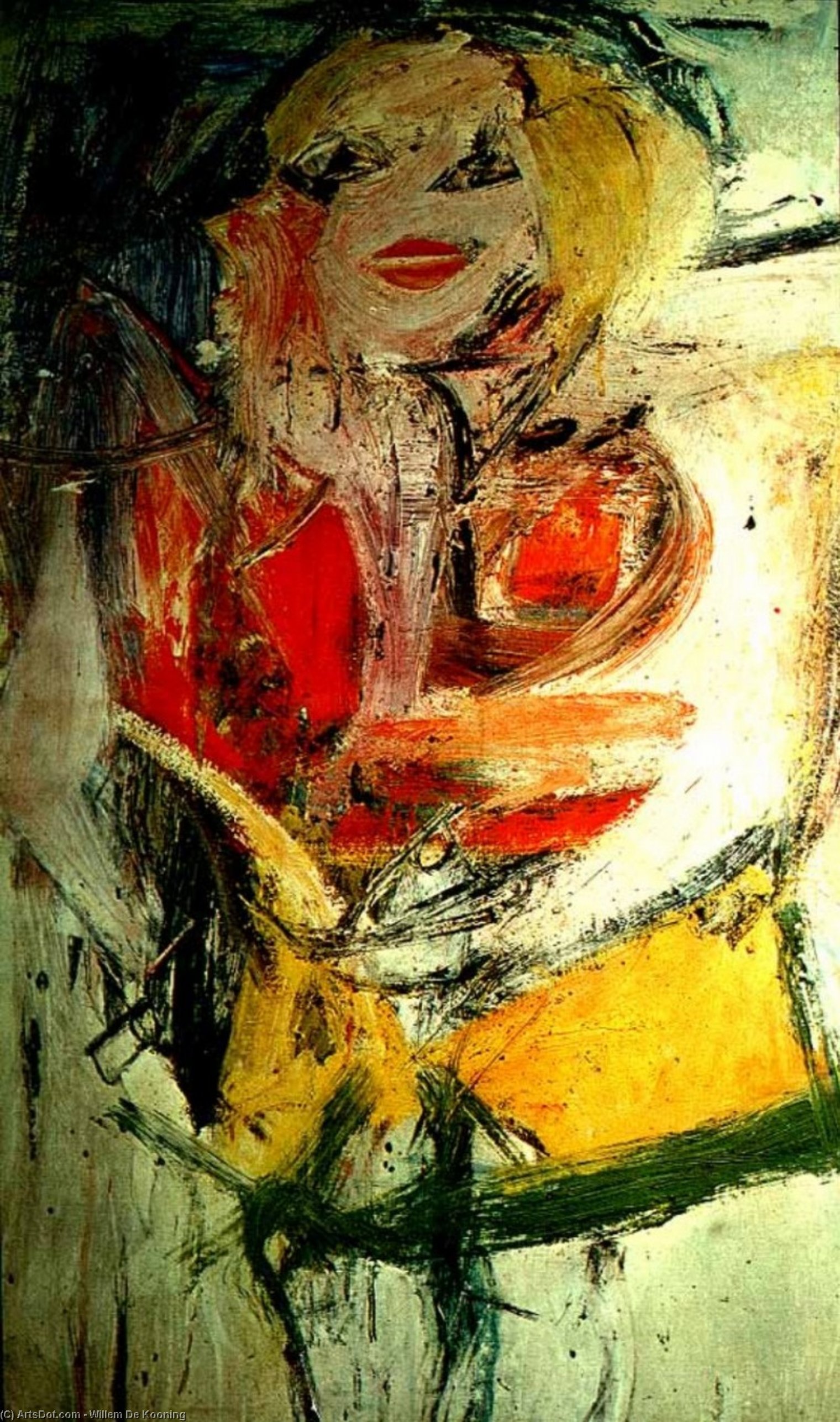
Marilyn Monroe
Giclée / Stampe d'arte
Dimensioni della riproduzione
-


Prezzo totale
$ 80
Descrizione del pezzo
A Tempestuous Portrait: De Kooning’s ‘Marilyn Monroe’
Created in 1954, Willem de Kooning's *Marilyn Monroe* is not merely a portrait of the iconic actress; it’s an impassioned exploration of fame, vulnerability, and the complexities of identity—a cornerstone of Abstract Expressionism. This painting transcends simple likeness, capturing De Kooning’s profound engagement with popular culture while simultaneously embodying his signature artistic style.
Deconstructing an Icon: Subject & Style
- Subject Matter: While ostensibly depicting Marilyn Monroe, the artwork delves deeper than surface appearance. De Kooning eschews meticulous representation, instead striving to convey a sense of her public persona—the quiet anxieties and underlying fragility often concealed beneath glamour. He doesn’t aim for idealized beauty; rather, he confronts us with an unsettling truth about celebrity culture.
- Stylistic Influences: *Marilyn Monroe* firmly resides within the realm of Abstract Expressionism, inheriting characteristics from fellow pioneers like Jackson Pollock and Franz Kline. However, De Kooning distinguishes himself by fusing abstraction with recognizable figuration—a dynamic tension that defines his distinctive visual language. The influence of Kline’s bold, linear style is palpable in the painting's energetic composition.
- A Pivotal Moment: 1954 marked a significant juncture for both De Kooning and American artistic sensibilities. The painting emerged during a period characterized by fervent admiration for celebrity figures, burgeoning postwar anxieties, and an unprecedented surge of experimentation within the art world—a reflection of these societal currents.
Technique & Materials: A Gestural Force
- Oil on Canvas: De Kooning’s masterful manipulation of oil paint is central to the painting's visceral impact. The thick, impasto application creates a tactile surface that emphasizes the physicality of artistic creation—a deliberate rejection of polished surfaces and meticulous detail.
- Gestural Brushwork: Loose, energetic brushstrokes dominate the canvas, conveying movement and instability. Drips and splatters contribute to an atmosphere of spontaneity and raw emotion—a technique characteristic of Expressionist painters who sought to convey inner turmoil through visual form.
- Color Palette & Composition: Dominated by fiery reds, assertive yellows, and stark whites, the color scheme is deliberately unsettling—designed to provoke contemplation and challenge conventional notions of beauty. The vertical composition focuses attention on the central figure while swirling patterns in the background generate a sense of unease and psychological depth.
Symbolism & Emotional Resonance
- Color Symbolism: The intense reds can be interpreted as representing passion, anger, or perhaps even violence—a deliberate provocation intended to unsettle the viewer’s gaze. Yellows suggest hope, anxiety, and simultaneously hint at the artificiality of fame—reflecting De Kooning's preoccupation with these themes.
- Deconstructed Form: The fragmented and distorted depiction of Monroe’s face embodies a profound rejection of idealized beauty—a courageous assertion of vulnerability and confronting us with the darker side of celebrity culture. It underscores De Kooning’s belief that art should grapple with complex emotions and psychological realities.
- Emotional Impact: *Marilyn Monroe* evokes feelings of apprehension, melancholy, and a poignant awareness of the pressures inherent in public life—a testament to De Kooning's ability to translate inner turmoil into compelling visual imagery.
Historical Context & Legacy
- Pop Culture Intersection: De Kooning’s engagement with Marilyn Monroe exemplifies a broader trend within postwar art—the incorporation of popular iconography and themes into high artistic endeavors. This bold move signaled a departure from traditional academic conventions, paving the way for new expressive possibilities.
- A Lasting Influence: *Marilyn Monroe* remains an indelible work within De Kooning’s oeuvre—a seminal example of Abstract Expressionism that continues to inspire artists and captivate audiences with its uncompromising emotional intensity and innovative approach to portraiture. It stands as a powerful reminder that even the most celebrated figures grapple with internal contradictions, securing its place in art history.
The artwork serves as an invitation to contemplate the complexities of identity and the enduring power of artistic expression—a timeless masterpiece for collectors and connoisseurs alike.
Biografia dell'artista
primi anni e carriera
Willem de Kooning, un rinomato artista astrattista americano-olandese, nacque il 24 aprile 1904 a Rotterdam, nei Paesi Bassi. I suoi genitori, Leendert de Kooning e Cornelia Nobel, divorziarono nel 1907 e De Kooning visse con suo padre prima di trasferirsi all'accudimento della madre. Lasciò la scuola nel 1916 e divenne apprendista in un'agenzia di arte commerciale.sviluppo artistico
De Kooning frequentò lezioni serali presso l'Accademia di Belle Arti e Scienze Applicate a Rotterdam dal 1916 al 1924. Nel 1927 si trasferì a New York City, dove lavorò come pittore edile e iniziò a sviluppare il suo stile artistico unico.astrattismo
Il lavoro di De Kooning si spostò verso l'astratto espressionismo negli anni '50, caratterizzato da pennellate audaci e colori vibranti. Il suo dipinto Woman I (1950-1952) è un'opera fondamentale in questo movimento, che fonde la figurazione con la spontaneità e l'intensità emotiva.opere notevoli e collezioni
* The Glazier (137 x 112 cm, olio su tela): un cupo dipinto dalle tonalità terrose ispirato agli affreschi di Boscoreale. * Door to the River (astratto espressionismo): un dipinto con ampie pennellate che ricorda il suo passato come pittore edile. * Standing Man (astratto espressionismo): un esempio caratteristico dello stile astratto espressionista di De Kooning.musei e collezioni
* Museo Boijmans Van Beuningen, Rotterdam, Paesi Bassi: presenta una collezione impressionante di oltre 151.000 opere d'arte. * Universiteitsbibliotheek, Leiden, Paesi Bassi: ospita un importante centro culturale con più di 5.200.000 volumi e 1.000.000 ebook. L'eredità di Willem de Kooning continua a ispirare artisti e appassionati d'arte, consolidando il suo posto come pioniere dell'astratto espressionismo.
Willem de Kooning
1904 - 1997 , Paesi Bassi
Informazioni rapide
- Artisti Influenti: ['Arshile Gorky']
- Data Di Morte: 1997
- Data Di Nascita: 24 aprile 1904
- Luogo Di Nascita: Rotterdam, Paesi Bassi
- Movimento Artistico: Espressionismo astratto
- Nazionalità: Olandese-Americano
- Nome Completo: Willem de Kooning
- Opere Notevoli:
- Donna I
- The Glazier
- Excavation
Articoli correlati

Espressionismo Astratto: I 10 Capolavori che Hanno Definito un Movimento Artistico Rivoluzionario
Esplora i 10 capolavori dell'Espressionismo Astratto con ! Scopri Pollock, Rothko e De Kooning: storia, tecnica e significato di opere iconiche per arredare la tua casa con arte di alta qualità. Esplora la collezione online!

Richieste Commerciali
APS ofrece reproducciones de bellas artes y encargos personalizados desde 2004. Confían en nosotros corporaciones, hoteles y coleccionistas selectos para obras de arte de calidad museística, servicio discreto y soluciones artísticas completas. ¡Póngase en contacto con nosotros para obtener un presupuesto personalizado!

Willem de Kooning: Astrazione, Gesto e l'Evoluzione della Pittura Americana del Dopoguerra
Esplora l'evoluzione dell'espressionismo astratto con Willem de Kooning. Analisi approfondita del suo stile, l'influenza italiana e il suo impatto sull'arte moderna. Scopri perché De Kooning è un investimento prezioso per i collezionisti.

Goya: I 25 Capolavori Immortali dell'Anima Spagnola | OriginalUniqueArt
Esplora i 25 capolavori di Francisco Goya, il genio spagnolo tra Romanticismo e Realismo. Ritratti iconici, 'Los Caprichos' e le toccanti 'Disastri della Guerra'. Trova stampe su tela e riproduzioni artistiche di alta qualità per la tua casa su OriginalUniqueArt.com.
Beyond Representation: Exploring the Emotional Landscape of Abstract Expressionism
Explore the profound emotional world of Abstract Expressionism with OriginalUniqueArt. Discover key artists like Pollock & Rothko, learn about collecting, and find museum-quality reproductions to inspire your space.



