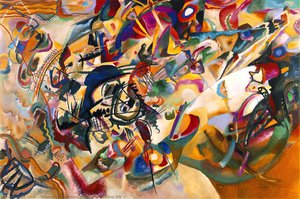
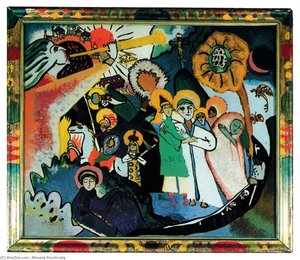
Anteprima in scala reale
 Condividi
 Condividi
 Dettagli
 Guida stampabile

 Scarica
 Articoli simili
 Radiografia
 Slideshow
 Statistiche
Nella Foresta
 Olio su tela
- Opere da parete
- Espressionismo
 1904
1904- Modern
 26.0 x 19.0 cm
 Leggi tutto
Riproduzione a olio fatta a mano
Olio su tela dipinto a mano nelle tue dimensioni e con la tua cornice, realizzato su ordinazione dai nostri artisti. ( Passa alle stampe Passa all'immagine digitale)




P118B €10

P118H €10

P118W €10

P438Z €10

P508JH €12

P508YH €12

P805H €10

P805Z €10

P919BZ €10

P919G €10

P919XJ €10

P959ZH €10

P968JZ €12

W106C €8

W218G €10

W218JH €8

W218Y €10

W307PJ €10

W316G €10

W316PJ €8

W316Y €10

W398PJ €8

W4111J €10

W500HY €15

W500JH €15

W692G €12

W849H €8

W940BG €15

W953PJ €8




Scegli tra le nostre dimensioni predefinite, che rispettano le proporzioni originali dell'opera d'arte.

Inserisci la larghezza e l'altezza di cui hai bisogno, per adattarle alla tua cornice o alla tua parete. Trattandosi di un'opera dipinta a mano, in caso di dimensioni con una forma differente, l'artista può dipingere un po' più oltre i bordi dell'immagine o ritagliare leggermente — la scelta spetta a te. Ti invieremo un mockup digitale da approvare prima che la pittura abbia inizio. L'immagine mostrata in questa pagina non rappresenta il risultato reale — solo il mockup lo fa.
Dopo l'ordine, il team di OriginalUniqueArt.com contatterà il cliente via e-mail per ricevere le istruzioni e fornirà un'anteprima del mockup
Consegna in tutto il mondo () in 3/4 settimane anziché nelle normali 5 settimane. (25 Ottobre). Nessun compromesso sulla qualità.

Spedizione espressa gratuita in tutto il mondo

Tela in lino di alta qualità

Assicurazione completa sulla spedizione

Garanzia di rimborso dei dazi doganali

Garanzia di perfetta fedeltà cromatica

Politica di reso entro 100 giorni (solo per difetti di fabbricazione)

Garanzia di rimborso al 100%

Sconto per acquisti multipli
 L'opzione vetro è disponibile solo per dimensioni inferiori a 110 cm

Nella Foresta
Tecnica di riproduzione
Dimensioni della riproduzione
-


Prezzo totale
€ 263
In The Forest: A Journey into Kandinsky’s Abstract Soul
Wassily Kandinsky's “In The Forest,” painted in 1904, isn’t merely a depiction of a woodland scene; it’s an immersion into the nascent world of abstract expressionism. This pivotal work, measuring a modest 26 x 19 cm, represents a crucial turning point in Kandinsky’s artistic evolution – a deliberate departure from representational art and a bold embrace of inner emotion and symbolic form. Born in Moscow in 1866, Kandinsky's early life was marked by musical talent, but it was the profound impact of Monet’s “Haystacks” that ignited his passion for painting, setting him on a path to revolutionize the very definition of art.
The painting immediately captivates with its vibrant palette – deep greens and blues dominate, punctuated by flashes of ochre and yellow. A man, rendered in simplified, almost childlike forms, is depicted riding atop a horse, traversing a landscape dominated by towering, stylized mountains. The key element isn’t photographic realism; instead, Kandinsky employs geometric shapes—circles, triangles, and rectangles—to convey feeling and movement. Notice how the curves of the horse's body echo the undulating lines of the distant peaks, creating a visual harmony that transcends literal representation. The inclusion of a hat on the man adds a subtle touch of familiarity, grounding the abstract composition while simultaneously emphasizing its departure from traditional portraiture.
Contextualizing “In The Forest”: A Moment in Artistic History
“In The Forest” emerged during a period of intense experimentation and intellectual ferment within the art world. Kandinsky was deeply influenced by the burgeoning field of psychology, particularly the work of Sigmund Freud, believing that color and form could directly affect the viewer’s emotions and subconscious. This exploration aligns perfectly with the principles of Expressionism, an artistic movement characterized by its subjective emotional expression rather than objective representation. Furthermore, the painting reflects Kandinsky's growing interest in spirituality and the search for a universal language of art – one that could communicate beyond the limitations of words.
The year 1904 was a watershed moment for Kandinsky. He had already begun to explore non-objective forms in his earlier works, but “In The Forest” represents a significant step towards fully realizing this vision. It’s a crucial bridge between his early Impressionistic influences and the groundbreaking abstract paintings that would define his later career. Consider it alongside works by contemporaries like Paul Gauguin, who similarly sought to express inner states through color and form, albeit with distinct stylistic approaches.
Decoding the Symbolism: Adventure, Exploration, and Inner Landscapes
The central image of a man on horseback is rich in symbolic meaning. It represents adventure, exploration, and the journey into the unknown – mirroring Kandinsky’s own personal quest for artistic truth. The horse itself can be interpreted as a symbol of strength, vitality, and untamed spirit. The mountains, towering and imposing, evoke feelings of both awe and challenge, suggesting the obstacles one must overcome in pursuit of their goals. Importantly, Kandinsky wasn't simply painting a landscape; he was translating an emotional experience onto canvas.
The cloudy sky above adds depth and atmosphere, creating a sense of mystery and introspection. The use of color isn’t arbitrary; each hue is carefully chosen to evoke specific emotions – the greens representing growth and renewal, the blues suggesting tranquility and contemplation. It's a testament to Kandinsky’s belief that art could be a powerful tool for self-discovery and spiritual awakening.
A Legacy Forged in Abstraction: Beyond Representation
“In The Forest” stands as a cornerstone of modern art, demonstrating the power of abstraction to convey complex emotions and ideas. Kandinsky’s pioneering work paved the way for countless artists who followed, influencing movements like Cubism, Surrealism, and Abstract Expressionism. As documented in the extensive history of painting available on Wikipedia, Kandinsky's influence is undeniable. His exploration of color theory and his belief in the expressive potential of form continue to resonate with audiences today.
OriginalUniqueArt.com offers exquisite, hand-painted oil reproduction reproductions of “In The Forest,” allowing you to bring this iconic work into your own space. Each reproduction meticulously captures the original’s vibrant colors and dynamic composition, ensuring that you experience Kandinsky's vision as authentically as possible. Explore our collection today and discover a timeless masterpiece.
OriginalUniqueArt.com – Your gateway to authentic art reproductions. In The Forest by Wassily Kandinsky (1904) | Improvisation XIV by Wassily Kandinsky | Seated man (Self-portrait) by Pablo Picasso
In The Forest by Wassily Kandinsky (1904)
Domande e risposte
Come viene descritto il tono emotivo di "Nella Foresta" di Wassily Wassilyevich Kandinsky?
"Nella Foresta" di Wassily Wassilyevich Kandinsky è descritto come Serenità per atmosfera. Questa classificazione può aiutare a abbinare l'opera a un ambiente.
Verso quale tonalità tende "Nella Foresta"?
La tonalità dominante di "Nella Foresta" di Wassily Wassilyevich Kandinsky è Amber to Saffron. Tale tonalità costituisce il tono di fondo della tavolozza.
Quanta luce sembrano riflettere i colori di "Nella Foresta"?
"Nella Foresta" di Wassily Wassilyevich Kandinsky ha una luminanza di Dark. La luminanza descrive quanta luce sembrano riflettere i colori.
Biografia dell'artista
Wassily Wassilyevich Kandinsky: Pioniere dell'Astrazione
- Nato: 16 dicembre 1866, Mosca, Russia
- Morto: 13 dicembre 1944
- Nazionalità: Russo
Primi Anni e Sviluppo Artistico
- La prima parte della vita di Kandinsky fu segnata da una formazione diversificata, studiando inizialmente legge ed economia all'Università di Mosca.
- All'età di 30 anni, si dedicò all'arte, iscrivendosi alla Accademia di Monaco sotto Franz von Stuck. Questa svolta significò un profondo impegno nell'espressione artistica.
- I suoi primi lavori furono influenzati dall'arte popolare russa, in particolare dal suo viaggio etnografico nella regione di Vologda nel 1889.
- Sviluppò un interesse per il simbolismo del colore e la psicologia, che divennero elementi fondamentali delle sue successive composizioni astratte.
Periodi Artistici Chiave e Stili
- Espressionismo Primitivo: Caratterizzato da colori vivaci e intensità emotiva, evidente in opere come "Papeln (Pioppi)" (1902).
- Transizione all'Astrazione: Kandinsky si allontanò gradualmente dall'arte rappresentazionale, esplorando il rapporto tra colore, forma ed emozione.
- Astrazione Geometrica: Questo periodo vide un focus su forme geometriche e composizioni, esemplificato da "Several Circles" (140 x 140 cm).
- Astrazione Spirituale: Kandinsky credeva che l'arte potesse esprimere verità spirituali attraverso forme non rappresentative. Le sue opere miravano a evocare emozioni ed esperienze interiori piuttosto che raffigurare la realtà esterna.
Influenza e Eredità
- Influenza del Bauhaus: In qualità di docente presso la scuola Bauhaus in Germania, Kandinsky influenzò profondamente generazioni di artisti con le sue teorie sul colore, sulla forma e sull'astrazione.
- Scritti Teorici: I suoi scritti, in particolare "Lo Spirituale nell'Arte," articolavano la sua filosofia artistica e contribuirono significativamente allo sviluppo della teoria dell'arte astratta.
- Impatto sull'Arte Moderna: Kandinsky è ampiamente riconosciuto come un pioniere dell'arte astratta, aprendo la strada a numerosi movimenti e artisti successivi.
- Collezioni Museali: Le sue opere sono conservate in importanti musei di tutto il mondo, tra cui la Galleria Tretyakov a Mosca, che ospita il suo monumentale "Composizione VII."
Opere Notabili
- Composizione VII: Un'opera astratta su larga scala considerata un culmine dello sviluppo artistico di Kandinsky.
- Quadrato Nero (in collaborazione con Kazimir Malevich): Un'opera fondamentale nella storia dell'astrazione, che rappresenta una rottura radicale dalle forme artistiche tradizionali.
- Several Circles: Dimostra il suo uso innovativo di forme geometriche e colori vivaci per creare composizioni dinamiche.
- Murnau con una Chiesa: Bilancia elementi astratti con immagini rappresentative, mostrando il suo stile in evoluzione.
- Una Festa Intima: Un'opera successiva che presenta astrazione geometrica e impasto stratificato, riflettendo la sua continua esplorazione di temi spirituali.

Wassily Wassilyevich Kandinsky
1866 - 1944 , Russia
Informazioni rapide
- Artistic Movement Or Style: Espressionismo Astratto
- Date Of Birth: 16 dicembre 1866
- Date Of Death: 13 dicembre 1944
- Full Name: Wassily Wassilyevich Kandinsky
- Nationality: Russo
- Notable Artworks:
- Composizione VII
- Quadrato Nero
- Several Circles
- Murnau con una chiesa
- An Intimate Party
- Place Of Birth: Mosca, Russia
Articoli correlati
Beyond Representation: Exploring the Emotional Landscape of Abstract Expressionism
Explore the profound emotional world of Abstract Expressionism with OriginalUniqueArt. Discover key artists like Pollock & Rothko, learn about collecting, and find museum-quality reproductions to inspire your space.

Espressionismo Astratto: I 10 Capolavori che Hanno Definito un Movimento Artistico Rivoluzionario
Esplora i 10 capolavori dell'Espressionismo Astratto con ! Scopri Pollock, Rothko e De Kooning: storia, tecnica e significato di opere iconiche per arredare la tua casa con arte di alta qualità. Esplora la collezione online!
The Soul of Color: A Journey into the Emotional Resonance of Lyrical Abstraction
Embark on a cultural journey through Lyrical Abstraction. Explore how masters like Kandinsky used color and motion to translate emotion into visual poetry. Discover the profound beauty of abstract expressionism and learn to curate emotional resonance in your own art collection.

Kandinsky: I 25 Capolavori che Hanno Rivoluzionato l'Arte Moderna | OriginalUniqueArt
Esplora i 25 capolavori di Wassily Kandinsky, pioniere dell'arte astratta. Scopri la storia, il significato e le tecniche dietro ogni dipinto iconico. Trova riproduzioni d'arte di alta qualità per decorare la tua casa su OriginalUniqueArt.com.

Astrazione Geometrica: 10 Capolavori che Hanno Definito un Movimento Artistico
Esplora i 10 capolavori dell'Astrazione Geometrica: Mondrian, Malevich e Kandinsky rivoluzionano l'arte moderna. Scopri la storia, i colori e le tecniche di questi movimenti iconici. Stampe d'arte di alta qualità su OriginalUniqueArt.com!