
 Anteprima in scala reale
 Condividi
 Condividi
 Dettagli

 Scarica immagine
 Articoli simili
 Radiografia
 Slideshow
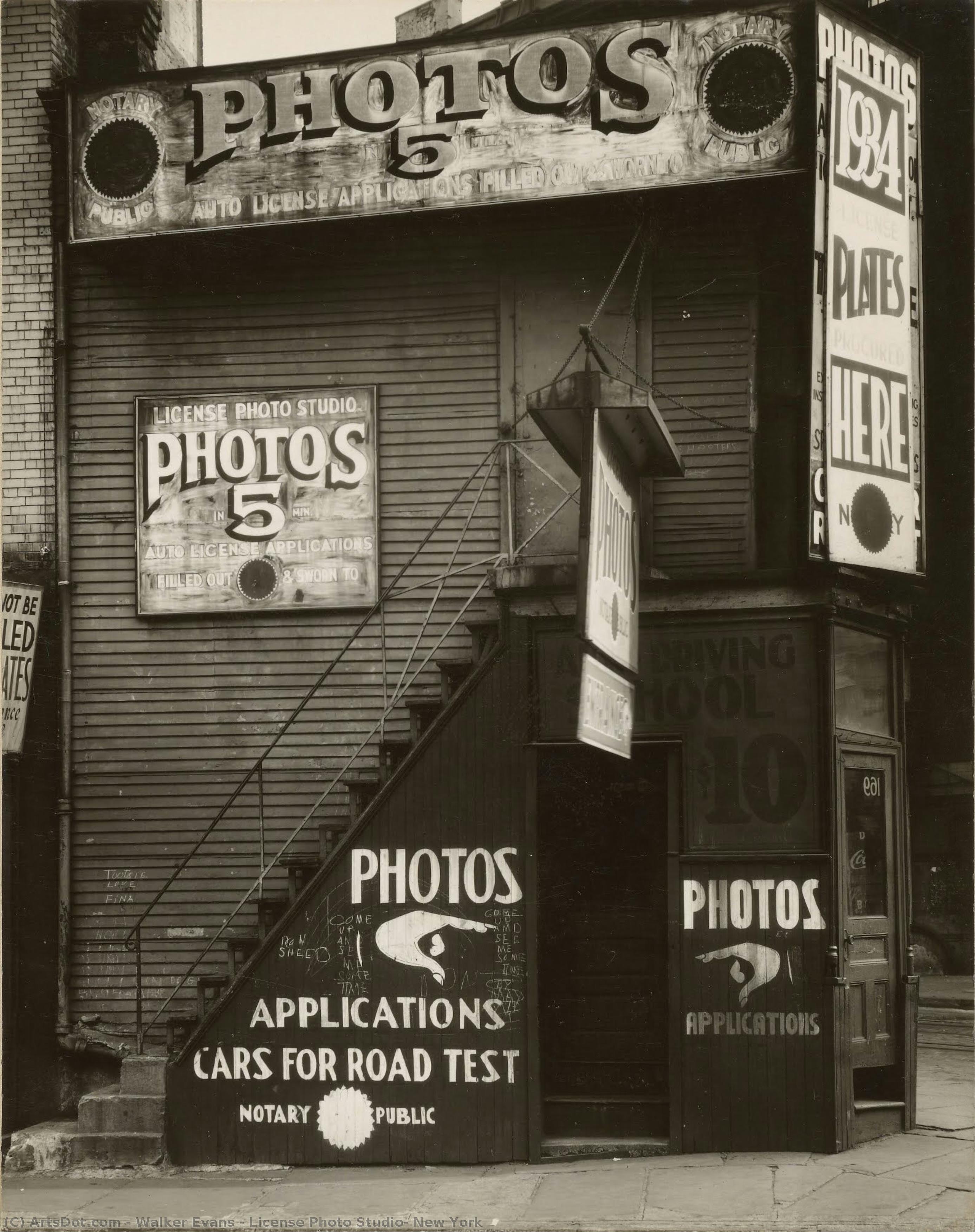
License Photo Studio, New York
 Acrylic On Canvas
- WallArt
- Contemporary Realism
 1934
1934 18.0 x 14.0 cm
 J. Paul Getty Museum
 Leggi tutto
Acquista un'immagine digitale ad alta risoluzione e ottimizzata, di qualità nettamente superiore all'anteprima online.
Ogni file è meticolosamente preparato dai nostri specialisti interni attraverso l'uso di strumenti avanzati e un sapiente ritocco manuale. Garantiamo che ogni immagine presenti una chiarezza eccezionale, una precisione cromatica impeccabile e dettagli raffinati.
Il file finale viene consegnato via e-mail entro 72 ore, ottimizzato per un uso immediato in contesti professionali, editoriali e di stampa. Si tratta della stessa qualità affidata ai più prestigiosi studi di design, editori e gallerie d'arte.
Immagine Digitale
Scarica un file ad alta risoluzione per uso personale, per la stampa e per progetti creativi. ( Ordina stampa Ordina la riproduzione dipinta a mano)
Incluso in ogni acquisto di immagini digitali
Consegna digitale professionale e garantita
Quando scegli OriginalUniqueArt.com, non riceverai solo un'immagine: riceverai un'opera d'arte digitale professionalmente ottimizzata, realizzata con la massima precisione e accompagnata da una garanzia di soddisfazione. Ecco tutto ciò che include il tuo ordine, automaticamente:

Consegna rapida via email
Riceverai il file dell'immagine digitale ad alta risoluzione via email entro 72 ore dall'ordine, pronto per un uso immediato.

File digitale potenziato dall'IA
La tua opera d'arte viene ottimizzata professionalmente attraverso l'uso di strumenti avanzati di intelligenza artificiale e una revisione manuale, garantendo il massimo livello di dettaglio, nitidezza e accuratezza cromatica.

Riconsegna gratuita a vita
Hai eliminato o perso accidentalmente il tuo file? Non preoccuparti: te lo invieremo di nuovo in qualsiasi momento, gratuitamente.

Nessun costo di importazione, mai
Goditi la tua opera d'arte istantaneamente senza costi doganali, dazi o spese di spedizione: i download digitali sono sempre esenti da tasse.

Garanzia di fedeltà cromatica
Garantiamo che la tua immagine digitale rifletta i colori originali con la massima fedeltà, grazie all'uso di strumenti professionali e a una gestione accurata del colore.

Garanzia soddisfazione 60 giorni
Se non sei soddisfatto della tua immagine digitale, la revisioneremo o ti rimborseremo il 100% entro 60 giorni, senza domande.

Garanzia di rimborso al 100%
Non sei soddisfatto? Ricevi un rimborso completo entro 60 giorni dal ricevimento del tuo file digitale, senza dover fornire spiegazioni.

Sconti per ordini multipli
Acquista 3 immagini, risparmia il 10% - Acquista 5, risparmia il 15% - Acquista 10+, risparmia il 20%. Ideale per progetti creativi, gallerie e agenzie.
Descrizione del collezionabile
A Snapshot of Resilience: Examining Walker Evans’ “License Photo Studio”
Walker Evans' "License Photo Studio," executed in 1934, isn’t merely a depiction of a storefront; it’s a carefully constructed meditation on the American spirit during the Great Depression. Printed circa 1970, this gelatin silver print embodies Evans’ signature style – an austere observation that prioritizes clarity and detail over romantic sentimentality. The photograph captures a humble building nestled amongst others in New York City's Lower East Side, dominated by a barrage of advertising signs proclaiming “Photos” and “Here.” This seemingly insignificant scene holds profound significance because it speaks to the pervasive presence of photography as a tool for documenting everyday life amidst economic hardship.- Composition & Technique: Evans employs a geometric cropping technique, framing the building’s façade with precise lines that emphasize its solidity against the chaotic backdrop of signage. The shallow depth of field draws attention to the storefront itself and the subtle textures of the brickwork—a deliberate choice reflecting Evans' commitment to capturing reality without embellishment.
- Historical Context: Created during the Depression era, “License Photo Studio” aligns with Evans’ broader project to document the realities of American society – particularly marginalized communities grappling with poverty and uncertainty. He sought to portray subjects with dignity and honesty, rejecting idealized representations in favor of unflinching depictions of lived experience.
- Symbolism & Visual Language: The multitude of signs isn't simply decorative; they represent the relentless pressure of commercial enterprise attempting to maintain normalcy amidst crisis. Evans’ use of repetition—the repeated “Photos” sign and the stacked signage—creates a visual rhythm that underscores the pervasive influence of advertising on urban life.
- Emotional Impact: Despite its muted palette, the photograph exudes an understated sense of resilience. The building stands firm against the onslaught of signs, symbolizing perseverance and quiet dignity in the face of adversity. Evans’ masterful execution invites contemplation about how we perceive beauty and meaning within seemingly ordinary circumstances.
Exploring Walker Evans' Artistic Vision
Evans’ artistic journey began with an interest in literature—particularly poetry—before he transitioned to photography, recognizing its capacity for conveying complex emotions and ideas through visual form. His formative years were marked by frequent relocations across the Midwest and East Coast, exposing him to diverse cultural influences that shaped his worldview. Educated at prestigious institutions like Phillips Academy Andover and Williams College, Evans honed his observational skills and developed a distinctive photographic aesthetic—one characterized by meticulous attention to detail and an unwavering commitment to capturing authentic moments.The Reproduction’s Significance
A hand-painted reproduction of “License Photo Studio” offers collectors and interior designers alike the opportunity to experience Evans' artistic vision firsthand. The painstaking process of recreating this iconic image ensures that its subtle nuances—the textured brickwork, the geometric composition, and the evocative visual language—are faithfully preserved. When incorporated into a thoughtfully curated space, this reproduction serves as a reminder of Evans’ enduring legacy as one of America’s most influential photographers—a testament to his ability to transform everyday scenes into powerful statements about human experience and artistic integrity.Biografia dell'artista
A Witness to America: The Life and Legacy of Walker Evans
Walker Evans, born in St. Louis in 1903, emerged as a pivotal figure in American photography, his name inextricably linked with the visual record of the Great Depression & everyday life with stark realism. Yet to define him solely by this period would be to diminish the breadth of his artistic vision and enduring influence. His journey was one of constant exploration, evolving from literary aspirations to a uniquely observant photographic style that captured not just *what* America was, but *how* it felt – its quiet dignity, its stark realities, and its often-overlooked beauty. Evans’s upbringing, marked by frequent moves between cities like Toledo, Chicago, and New York, instilled in him an early awareness of the diverse facets of American life. Though educated at prestigious institutions like Phillips Academy Andover and briefly at Williams College, his true education unfolded through self-directed study and immersion in the cultural currents of the time. A year spent in Paris in 1926 exposed him to European artistic trends, but it was upon his return to New York that he discovered his calling, initially as a writer before turning decisively towards photography around 1928.Forging a Documentary Vision
The early influences on Evans’s photographic approach were profound. He admired the meticulous documentation of Eugène Atget, whose images of Parisian streets felt both timeless and immediate, and August Sander, whose portraits aimed for an objective cataloging of German society. Equally important were literary figures like T.S. Eliot, D.H. Lawrence, James Joyce, and e.e. cummings – writers who valued precision of language and a keen observation of the human condition. These influences coalesced in Evans’s developing aesthetic: a commitment to clarity, directness, and an avoidance of sentimentality. This approach found its most powerful expression during his tenure with the Farm Security Administration (FSA) beginning in 1935. Tasked with documenting the effects of the Depression on rural communities in the Southern United States, Evans traveled extensively, capturing images that became iconic representations of hardship and resilience. His collaboration with writer James Agee on *Let Us Now Praise Famous Men* (1941), a groundbreaking work combining stark photographs with lyrical prose depicting three tenant farming families in Alabama, remains a cornerstone of documentary literature and photography. Though initially rejected by *Fortune* magazine for its length and unconventional style, the project stands as a testament to their shared commitment to portraying the lives of ordinary people with honesty and empathy. Evans’s use of an 8x10 view camera contributed significantly to his distinctive style; the large format yielded images of exceptional detail and formal clarity, lending a sense of timelessness to his subjects.Early Influences & Literary Roots
Evans’ fascination with photography began early in life, fueled by a childhood spent moving between cities—Toledo, Chicago, and New York—where he absorbed diverse cultural influences. He attended Phillips Academy Andover and Williams College, honing his intellectual curiosity alongside developing artistic sensibilities. Notably, Evans was deeply moved by the writings of T.S. Eliot, D.H. Lawrence, James Joyce, and e.e. cummings, writers who championed precision of language and a contemplative engagement with human experience—values that would permeate his photographic practice. His admiration for Eugène Atget’s Parisian streetscapes instilled in him a desire to capture the essence of everyday life with unwavering honesty. Similarly, August Sander's portraits inspired Evans to strive for objectivity and cataloging, reflecting a broader interest in representing society accurately.The FSA Years: Defining Documentary Photography
Evans’ career took its most significant turn when he accepted a position with the Farm Security Administration (FSA) in 1935—a pivotal moment that cemented his reputation as America's foremost documentarian. Assigned to chronicle the plight of rural Americans during the Great Depression, Evans embarked on extensive journeys across the Southern United States, utilizing an 8x10 view camera to produce images that transcended mere representation and achieved a profound aesthetic resonance. His collaboration with James Agee on *Let Us Now Praise Famous Men* resulted in a literary masterpiece alongside his photographic work—a testament to their shared dedication to portraying ordinary individuals with compassion and unflinching truthfulness. The FSA’s rejection of Agee's lengthy manuscript underscored Evans’ commitment to distilling complex narratives into concise visual statements.Beyond FSA: Portraits & Aesthetic Exploration
Following his tenure with the FSA, Evans continued to refine his artistic vision—embracing color photography in the 1960s and exploring architectural spaces and urban landscapes with understated elegance. He utilized Polaroid cameras to capture spontaneous moments of street life, demonstrating a willingness to challenge conventional photographic conventions and delve into new avenues for artistic expression. His work consistently prioritized clarity, directness, and formal precision—qualities that profoundly influenced subsequent generations of photographers. Evans’ legacy extends far beyond his iconic FSA images; he established a new standard for realism in photography and inspired artists to observe the world with discerning eyes. ## Notable Achievements & Recognition Walker Evans achieved considerable acclaim throughout his career, earning three Guggenheim Fellowships and becoming a member of the National Institute of Arts and Letters. His photographs were exhibited extensively—most notably at the Museum of Modern Art’s landmark retrospective in 1938—establishing him as one of the most influential figures in American photography history. Evans's work continues to inspire artists today, reminding us of the transformative power of visual storytelling and the enduring beauty found within the commonplace.
Walker Evans
1903 - 1975 , Stati Uniti d'America
In breve
- Artistic Movement Or Style: Documentary photography
- Artists Who Influenced This Artist:
- August Sander
- Eugène Atget
- Date Of Birth: 1903
- Full Name: Walker Evans III
- Nationality: American
- Notable Artworks:
- Let Us Now Praise Famous Men
- Silverware
- Place Of Birth: St. Louis, USA

