

 Anteprima in scala reale
 Condividi
 Condividi
 Dettagli
 Guida stampabile

 Scarica
 Articoli simili
 Radiografia
 Slideshow
 Statistiche
Let Us Now Praise Famous Men


 Leggi tutto
L'opera d'arte visualizzata in questa pagina è protetta dalle leggi sul diritto d'autore, il che significa che non possiamo legalmente creare o vendere una riproduzione identica. Tale protezione è garantita da accordi internazionali quali la Convenzione di Berna e dalle leggi nazionali, incluse quelle stabilite da Legge sul copyright degli Stati Uniti - Titolo 17. Tutti i diritti riservati. Le immagini presenti su questo sito sono protette da copyright e non possono essere riprodotte o utilizzate senza l'autorizzazione scritta di WahooArt.com o dei rispettivi proprietari del copyright.
Come alternativa rispettosa e legale, offriamo opere d'arte personalizzate e dipinte a mano, ispirate all'originale. I nostri artisti esperti e professionisti studiano con cura lo stile, l'atmosfera e l'essenza artistica dell'opera originale per creare un pezzo nuovo e unico che evochi la stessa emozione, pur rimanendo una creazione originale a pieno titolo.
Questo metodo è pienamente conforme alle normative sul diritto d'autore poiché non prevede la copia o la duplicazione dell'opera protetta. Si tratta invece di una rielaborazione creativa: un nuovo dipinto che trae ispirazione dall'originale, senza tuttavia esserne identico.
Riproduzione a olio fatta a mano
Olio su tela dipinto a mano nelle tue dimensioni e con la tua cornice, realizzato su ordinazione dai nostri artisti. ( Passa alle stampe Passa all'immagine digitale)




P118B €10

P118H €10

P118W €10

P438Z €10

P508JH €12

P508YH €12

P805H €10

P805Z €10

P919BZ €10

P919G €10

P919XJ €10

P959ZH €10

P968JZ €12

W106C €8

W218G €10

W218JH €8

W218Y €10

W307PJ €10

W316G €10

W316PJ €8

W316Y €10

W398PJ €8

W4111J €10

W500HY €15

W500JH €15

W692G €12

W849H €8

W940BG €15

W953PJ €8




Scegli tra le nostre dimensioni predefinite, che rispettano le proporzioni originali dell'opera d'arte.

Inserisci la larghezza e l'altezza di cui hai bisogno, per adattarle alla tua cornice o alla tua parete. Trattandosi di un'opera dipinta a mano, in caso di dimensioni con una forma differente, l'artista può dipingere un po' più oltre i bordi dell'immagine o ritagliare leggermente — la scelta spetta a te. Ti invieremo un mockup digitale da approvare prima che la pittura abbia inizio. L'immagine mostrata in questa pagina non rappresenta il risultato reale — solo il mockup lo fa.
Dopo l'ordine, il team di OriginalUniqueArt.com contatterà il cliente via e-mail per ricevere le istruzioni e fornirà un'anteprima del mockup
Consegna in tutto il mondo () in 3/4 settimane anziché nelle normali 5 settimane. (23 Ottobre). Nessun compromesso sulla qualità.

Spedizione espressa gratuita in tutto il mondo

Tela in lino di alta qualità

Assicurazione completa sulla spedizione

Garanzia di rimborso dei dazi doganali

Garanzia di perfetta fedeltà cromatica

Politica di reso entro 100 giorni (solo per difetti di fabbricazione)

Garanzia di rimborso al 100%

Sconto per acquisti multipli
 L'opzione vetro è disponibile solo per dimensioni inferiori a 110 cm

Let Us Now Praise Famous Men
Tecnica di riproduzione
Dimensioni della riproduzione
-


Prezzo totale
€ 264
The Genesis of a Masterpiece
Walker Evans’s “Let Us Now Praise Famous Men,” published in 1941, isn't merely a collection of photographs; it’s a profound meditation on poverty, dignity, and the fractured American landscape during the Great Depression. Born from an assignment for *Fortune* magazine to document the lives of tenant farmers in Alabama, the project quickly transcended its initial journalistic purpose. James Agee, a young writer brimming with empathy, joined Evans, and together they embarked on an eight-week journey that yielded not a straightforward reportage piece, but a hauntingly intimate chronicle. The story’s genesis lies in a deliberate rejection of conventional storytelling – Fortune initially demanded a sanitized, palatable narrative, which Agee fiercely resisted. This refusal ultimately led to the book's publication as a standalone work, a bold statement about the importance of bearing witness to marginalized communities and preserving their stories without imposing judgment.
A Study in Black and White: Technique and Style
Evans’s photographic style is instantly recognizable – stark, unadorned, and profoundly honest. He employed a large-format 8x10 view camera, a deliberate choice that demanded meticulous attention to detail and forced him to slow down, truly *seeing* his subjects. The resulting images are characterized by their high contrast, emphasizing the textures of weathered faces, threadbare clothing, and crumbling shacks. Evans’s technique isn't about glamour or beauty; it’s about revealing the essential truth of these lives. He avoided posed portraits, instead capturing moments of quiet desperation, resilience, and everyday existence. The deliberate lack of color amplifies the emotional impact, stripping away distractions and focusing solely on form, light, and shadow. The photographs possess a remarkable sense of immediacy – as if you’re standing alongside these families, witnessing their struggles firsthand.
Faces of Hardship: Symbolism and Narrative
The three tenant farming families—the Tanglewoods, the McAllisters, and the Taylors—become symbolic representations of a broader American tragedy. Their faces, etched with hardship and loss, tell stories of displacement, exploitation, and the crushing weight of economic despair. The photographs aren’t simply documenting poverty; they're conveying the profound human cost of it. The recurring motif of hands – calloused, worn, and often stained—represents labor, survival, and a deep connection to the land. Even seemingly mundane details, like a child’s patched-up shoes or a woman’s weary gaze, carry immense weight, speaking volumes about their circumstances. The title itself, borrowed from Sirach, suggests a reverence for these individuals, elevating them beyond mere subjects of documentation into figures worthy of praise and remembrance.
Echoes of the New Deal: Context and Legacy
“Let Us Now Praise Famous Men” emerged during the height of the New Deal era, a period marked by unprecedented government intervention in American society. The Farm Security Administration (FSA), tasked with alleviating rural poverty, commissioned Evans’s work as part of its efforts to raise awareness about the plight of tenant farmers. However, Agee and Evans deliberately resisted the FSA's desire for a propagandistic narrative, instead offering a nuanced and deeply empathetic portrayal of their subjects. The book’s publication coincided with a growing disillusionment with American ideals and a renewed interest in social realism. It became a seminal work of documentary photography, influencing generations of artists and shaping our understanding of poverty and the human condition. Its impact can still be felt today, reminding us of the importance of bearing witness to injustice and celebrating the resilience of the human spirit.
A Timeless Reflection: Emotional Impact
More than eighty years after its publication, “Let Us Now Praise Famous Men” continues to resonate with viewers. The photographs evoke a powerful sense of empathy and sorrow, prompting us to confront uncomfortable truths about American history and the enduring challenges faced by marginalized communities. There’s a quiet dignity in these images—a refusal to succumb to despair—that is profoundly moving. It's a testament to Evans's skill as a photographer and Agee's ability to capture the essence of human experience. Reproductions of this iconic work offer a powerful connection to the past, inviting us to reflect on our own values and responsibilities as citizens of the world.
Domande e risposte
Come è strutturata la composizione cromatica di "Let Us Now Praise Famous Men" di Walker Evans?
L'analisi cromatica di "Let Us Now Praise Famous Men" di Walker Evans registra un Serene contrasto e una Strong Color Unity armonia.
Qual è il formato di "Let Us Now Praise Famous Men"?
"Let Us Now Praise Famous Men" di Walker Evans è una composizione in Landscape. Le proporzioni meritano di essere verificate prima di scegliere la dimensione della stampa.
"Let Us Now Praise Famous Men" è disponibile come stampa d'arte?
Per ordinare una stampa di "Let Us Now Praise Famous Men" di Walker Evans, ti basta cercarla nella sua pagina dedicata Stampa Fine Art: una stampa fine art su tela di cotone o carta canvas d'archivio.
Biografia dell'artista
A Witness to America: The Life and Legacy of Walker Evans
Walker Evans, born in St. Louis in 1903, emerged as a pivotal figure in American photography, his name inextricably linked with the visual record of the Great Depression & everyday life with stark realism. Yet to define him solely by this period would be to diminish the breadth of his artistic vision and enduring influence. His journey was one of constant exploration, evolving from literary aspirations to a uniquely observant photographic style that captured not just *what* America was, but *how* it felt – its quiet dignity, its stark realities, and its often-overlooked beauty. Evans’s upbringing, marked by frequent moves between cities like Toledo, Chicago, and New York, instilled in him an early awareness of the diverse facets of American life. Though educated at prestigious institutions like Phillips Academy Andover and briefly at Williams College, his true education unfolded through self-directed study and immersion in the cultural currents of the time. A year spent in Paris in 1926 exposed him to European artistic trends, but it was upon his return to New York that he discovered his calling, initially as a writer before turning decisively towards photography around 1928.Forging a Documentary Vision
The early influences on Evans’s photographic approach were profound. He admired the meticulous documentation of Eugène Atget, whose images of Parisian streets felt both timeless and immediate, and August Sander, whose portraits aimed for an objective cataloging of German society. Equally important were literary figures like T.S. Eliot, D.H. Lawrence, James Joyce, and e.e. cummings – writers who valued precision of language and a keen observation of the human condition. These influences coalesced in Evans’s developing aesthetic: a commitment to clarity, directness, and an avoidance of sentimentality. This approach found its most powerful expression during his tenure with the Farm Security Administration (FSA) beginning in 1935. Tasked with documenting the effects of the Depression on rural communities in the Southern United States, Evans traveled extensively, capturing images that became iconic representations of hardship and resilience. His collaboration with writer James Agee on *Let Us Now Praise Famous Men* (1941), a groundbreaking work combining stark photographs with lyrical prose depicting three tenant farming families in Alabama, remains a cornerstone of documentary literature and photography. Though initially rejected by *Fortune* magazine for its length and unconventional style, the project stands as a testament to their shared commitment to portraying the lives of ordinary people with honesty and empathy. Evans’s use of an 8x10 view camera contributed significantly to his distinctive style; the large format yielded images of exceptional detail and formal clarity, lending a sense of timelessness to his subjects.Early Influences & Literary Roots
Evans’ fascination with photography began early in life, fueled by a childhood spent moving between cities—Toledo, Chicago, and New York—where he absorbed diverse cultural influences. He attended Phillips Academy Andover and Williams College, honing his intellectual curiosity alongside developing artistic sensibilities. Notably, Evans was deeply moved by the writings of T.S. Eliot, D.H. Lawrence, James Joyce, and e.e. cummings, writers who championed precision of language and a contemplative engagement with human experience—values that would permeate his photographic practice. His admiration for Eugène Atget’s Parisian streetscapes instilled in him a desire to capture the essence of everyday life with unwavering honesty. Similarly, August Sander's portraits inspired Evans to strive for objectivity and cataloging, reflecting a broader interest in representing society accurately.The FSA Years: Defining Documentary Photography
Evans’ career took its most significant turn when he accepted a position with the Farm Security Administration (FSA) in 1935—a pivotal moment that cemented his reputation as America's foremost documentarian. Assigned to chronicle the plight of rural Americans during the Great Depression, Evans embarked on extensive journeys across the Southern United States, utilizing an 8x10 view camera to produce images that transcended mere representation and achieved a profound aesthetic resonance. His collaboration with James Agee on *Let Us Now Praise Famous Men* resulted in a literary masterpiece alongside his photographic work—a testament to their shared dedication to portraying ordinary individuals with compassion and unflinching truthfulness. The FSA’s rejection of Agee's lengthy manuscript underscored Evans’ commitment to distilling complex narratives into concise visual statements.Beyond FSA: Portraits & Aesthetic Exploration
Following his tenure with the FSA, Evans continued to refine his artistic vision—embracing color photography in the 1960s and exploring architectural spaces and urban landscapes with understated elegance. He utilized Polaroid cameras to capture spontaneous moments of street life, demonstrating a willingness to challenge conventional photographic conventions and delve into new avenues for artistic expression. His work consistently prioritized clarity, directness, and formal precision—qualities that profoundly influenced subsequent generations of photographers. Evans’ legacy extends far beyond his iconic FSA images; he established a new standard for realism in photography and inspired artists to observe the world with discerning eyes. ## Notable Achievements & Recognition Walker Evans achieved considerable acclaim throughout his career, earning three Guggenheim Fellowships and becoming a member of the National Institute of Arts and Letters. His photographs were exhibited extensively—most notably at the Museum of Modern Art’s landmark retrospective in 1938—establishing him as one of the most influential figures in American photography history. Evans's work continues to inspire artists today, reminding us of the transformative power of visual storytelling and the enduring beauty found within the commonplace.
Walker Evans
1903 - 1975 , Stati Uniti d'America
Informazioni rapide
- Artistic Movement Or Style: Documentary photography
- Artists Who Influenced This Artist:
- August Sander
- Eugène Atget
- Date Of Birth: 1903
- Full Name: Walker Evans III
- Nationality: American
- Notable Artworks:
- Let Us Now Praise Famous Men
- Silverware
- Place Of Birth: St. Louis, USA
Articoli correlati

James Abbott McNeill Whistler: I 25 Capolavori che Definirono un'Epoca - Arte e Decorazioni di Lusso
Esplora i 25 capolavori di James Abbott McNeill Whistler, il maestro dell'estetismo e dei notturni. Scopri la storia, le tecniche e l'armonia unica nei suoi dipinti più famosi. Stampe d'arte e riproduzioni di alta qualità su OriginalUniqueArt.com.
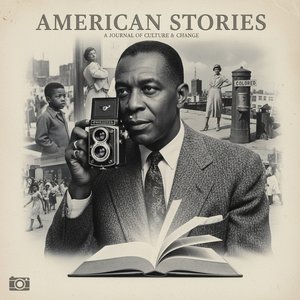
Gordon Parks: A Poetic Lens on American Life – Photography, Social Justice & Storytelling
Explore the profound work of Gordon Parks, a groundbreaking photographer who documented American life with unparalleled empathy and artistry. Discover his iconic images & lasting impact on social justice through Life magazine & beyond.

Sir Alfred James Munnings: I 25 Capolavori che Celebrano la Bellezza del Cavallo e della Campagna Inglese
Esplora i 25 capolavori di Alfred James Munnings, pittore inglese celebrato per la sua arte equestre e i paesaggi rurali. Scopri storie, tecniche e colori unici. Stampe d'arte e riproduzioni su OriginalUniqueArt.com!
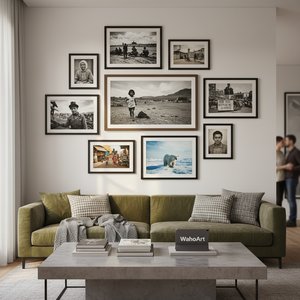
I 10 Capolavori della Fotografia Documentaria che Hanno Fatto Storia |
Esplora i 10 capolavori della fotografia documentaria che hanno cambiato la storia dell'arte. Scopri le storie, gli artisti e le emozioni dietro queste icone fotografiche. Stampe artistiche di alta qualità su .
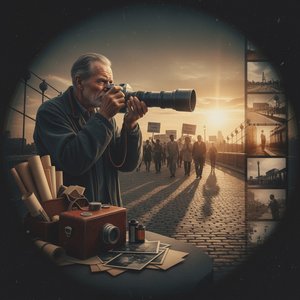
Witnessing History Through Lens & Light: Documentary Photography's Enduring Legacy
Explore the powerful history of documentary photography – from its origins to contemporary masters like Gordon Parks & W. Eugene Smith. Discover how this art form shapes our understanding of society and witness pivotal moments in time.


