

 Anteprima in scala reale
 Invia
Invia Condividi
 Dettagli opera
 Guida
Guida

 Scarica
 Simili
 Radiografia
 Slideshow
 Statistiche
The Dead Christ
 Olio su tela
- Opere da parete
- Baroque Revival
 1520
1520 145.0 x 185.0 cm
 Staatliche Museen zu Berlin
 Espandi i dettagli
Riproduzione a olio fatta a mano
Olio su tela dipinto a mano nelle tue dimensioni e con la tua cornice, realizzato su ordinazione dai nostri artisti. ( Passa alle stampe Passa all'immagine digitale)




P118B €10

P118H €10

P118W €10

P438Z €10

P508JH €12

P508YH €12

P805H €10

P805Z €10

P919BZ €10

P919G €10

P919XJ €10

P959ZH €10

P968JZ €12

W106C €8

W218G €10

W218JH €8

W218Y €10

W307PJ €10

W316G €10

W316PJ €8

W316Y €10

W398PJ €8

W4111J €10

W500HY €15

W500JH €15

W692G €12

W849H €8

W940BG €15

W953PJ €8




Scegli tra le nostre dimensioni predefinite, che rispettano le proporzioni originali dell'opera d'arte.

Inserisci la larghezza e l'altezza desiderate, per adattarle alla tua cornice o alla tua parete. Trattandosi di un'opera dipinta a mano, in caso di dimensioni con un formato differente, l'artista può estendere leggermente il dipinto oltre i bordi dell'immagine o ritagliare una piccola parte — la scelta spetta a te. Ti invieremo un mockup digitale da approvare prima che la realizzazione abbia inizio. L'immagine mostrata in questa pagina non rappresenta il risultato finale — solo il mockup lo fa.
Dopo l'ordine, il team di OriginalUniqueArt.com contatterà il cliente via e-mail per ricevere le istruzioni e fornirà un'anteprima del mockup
Consegna in tutto il mondo () in 3/4 settimane anziché nelle normali 5 settimane. (26 Ottobre). Nessun compromesso sulla qualità.

Spedizione espressa gratuita in tutto il mondo

Tela in lino di alta qualità

Assicurazione completa sulla spedizione

Garanzia di rimborso dei dazi doganali

Garanzia di fedeltà cromatica assoluta

Politica di reso entro 100 giorni (solo per difetti di fabbricazione)

Garanzia di rimborso al 100%

Offerta per acquisti multipli
 L'opzione vetro è disponibile solo per dimensioni inferiori a 110 cm

The Dead Christ
Tecnica di riproduzione
Dimensioni riproduzione
-


Prezzo finale calcolato
€ 263
A Somber Reflection on Mortality: Vittore Carpaccio’s “The Dead Christ”
Vittore Carpaccio's "The Dead Christ," painted circa 1520, stands as a poignant testament to the artistic sensibilities of Venice during the High Renaissance. More than just a depiction of religious iconography—the lifeless body of Jesus cradled by grieving figures—it embodies a profound meditation on death and mourning, reflecting the anxieties prevalent in a period grappling with theological upheaval and humanist inquiry. This monumental canvas (145 x 185 cm) resides within the Gallerie dell’Accademia, offering visitors an unparalleled opportunity to experience Carpaccio's masterful execution of narrative painting.Style and Influences: A Conservative Voice Amidst Change
Carpaccio distinguishes himself from his contemporaries through a remarkably restrained artistic style. Unlike the burgeoning humanist movement that championed classical ideals and vibrant color palettes—evident in works by Giovanni Bellini and Andrea Mantegna—Carpaccio adhered to a more conservative approach, prioritizing clarity of form and emotional resonance over stylistic innovation. His visual vocabulary draws heavily from Antonello da Messina’s influence, particularly his meticulous attention to detail and use of oil paint, alongside early Netherlandish art's emphasis on realism and psychological depth. This confluence resulted in an aesthetic that prioritizes solemn contemplation rather than dramatic spectacle.Technique: The Art of Layered Detail
Carpaccio employed a technique characterized by painstaking layering—a hallmark of Venetian painting at the time—to achieve remarkable textural richness and luminosity. He meticulously built up his composition using thin glazes of oil paint, allowing underlying pigments to subtly interact and create nuanced tonal variations. This method ensured that every surface was rendered with meticulous precision, capturing the contours of Christ’s body and the expressions of sorrowful onlookers alike. The artist skillfully utilized chiaroscuro—the dramatic interplay between light and shadow—to heighten the emotional impact of the scene, directing viewers' gaze towards the central figure and emphasizing the solemn atmosphere.Historical Context: Grief and Remembrance in Renaissance Venice
Painted during a time marked by religious fervor and intellectual debate, “The Dead Christ” speaks to the broader cultural concerns of Renaissance Venice. The depiction of mourning figures—a common motif in devotional art—reflects the pervasive preoccupation with mortality and the desire for spiritual solace amidst uncertainty. Carpaccio’s work aligns itself with the theological debates surrounding indulgences and papal authority, subtly conveying a sense of humility before divine judgment. Furthermore, it underscores the importance of remembrance and veneration within Christian tradition.Symbolism: The Body as Emblematic Representation
The central image—the crucified Christ—serves as an enduring symbol of sacrifice and redemption. Carpaccio’s portrayal emphasizes the physicality of Christ's suffering, grounding the theological narrative in tangible reality. The surrounding figures—primarily mourners—represent humanity grappling with grief and loss, mirroring the universal experience of mortality. Their gestures of compassion and sorrow underscore the importance of empathy and spiritual contemplation. The inclusion of a tree nearby – a traditional symbol of life and resurrection – subtly reinforces the overarching theme of hope amidst despair.Emotional Impact: A Profound Meditation on Suffering
“The Dead Christ” transcends mere visual representation; it evokes a powerful emotional response in viewers. Carpaccio’s masterful use of color—primarily muted browns and reds—creates an atmosphere of solemnity and melancholy, mirroring the profound sorrow experienced by those witnessing the crucifixion. The artist's meticulous attention to detail captures not only the physical appearance of Christ but also the psychological state of his mourners, fostering a sense of empathy and prompting reflection on themes of faith, grief, and human vulnerability. It remains an enduring masterpiece—a poignant reminder of humanity’s capacity for compassion and its unwavering belief in spiritual transcendence.Domande e risposte
Dove posso acquistare una riproduzione dipinta a mano di "The Dead Christ" di Vittore Carpaccio?
Puoi ordinare una riproduzione dipinta a mano di "The Dead Christ" di Vittore Carpaccio direttamente nella sua pagina Riproduzione dipinta a mano: una riproduzione a olio dipinta a mano su tela di lino, realizzata su ordinazione.
A quale fase della carriera di Vittore Carpaccio appartiene "The Dead Christ" (1520)?
La data del 1520 colloca "The Dead Christ" nel Mature Period della carriera di Vittore Carpaccio.
Quali sono le dimensioni dell'originale "The Dead Christ" di Vittore Carpaccio?
"The Dead Christ" misura 145 x 185 cm nella sua forma originale. Le dimensioni originali sono un utile riferimento per scegliere la dimensione di una riproduzione.
Biografia dell'artista
La Vita e la Formazione di Vittore Carpaccio
Vittore Carpaccio, un pittore italiano di spicco, nacque a Venezia intorno al 1465. Studiò sotto la guida di Gentile Bellini, un rinomato artista della scuola veneziana. Questa formazione gettò le basi per il suo futuro successo artistico.Stile Artistico e Influenze
Lo stile di Carpaccio era caratterizzato da una natura conservativa, mostrando una minima influenza dalle tendenze umaniste che trasformarono la pittura rinascimentale italiana durante la sua vita. Il suo lavoro fu influenzato dallo stile di Antonello da Messina e dall'arte fiamminga primitiva. Questa miscela unica di stili portò a un approccio distintivo alla pittura veneziana.Opere Principali
- Leggenda di Santa Ursula: Un ciclo di nove dipinti, è l’opera più famosa di Carpaccio. Questa serie, ora conservata nelle Gallerie dell'Accademia, mostra la sua maestria nella pittura narrativa.
- Pala della Gloria di Sant'Orsola (1491): Dimostra l'abilità di Carpaccio nel catturare luce e colore, ricordando lo stile di Giovanni Bellini.
- Miracolo della reliquia della Croce al Ponte di Rialto (1494): Evidenzia la capacità di Carpaccio di bilanciare composizione e narrazione.
Sviluppo Artistico e Significato Storico
Carpaccio si distinse per la sua attenzione ai dettagli realistici, l'uso vibrante del colore e la capacità di creare scene narrative coinvolgenti. Le sue opere riflettono la ricchezza culturale e commerciale di Venezia nel XV secolo. Sebbene a volte trascurato rispetto ai suoi contemporanei come Giovanni Bellini o Giorgione, Carpaccio ha lasciato un segno significativo nella storia dell'arte veneziana, contribuendo allo sviluppo della pittura narrativa rinascimentale. Il suo stile unico, che combina elementi fiamminghi e italiani con una sensibilità veneziana, lo rende un artista importante per comprendere l’evoluzione artistica del Rinascimento italiano.Riferimenti e Ulteriori Letture
Scopri di più su Vittore Carpaccio e la scuola veneziana su OriginalUniqueArt.
Vittore Carpaccio
1465 - 1526 , Italia
Dettagli rapidi
- Artisti Che Hanno Influenzato Questo Artista:
- Gentile Bellini
- Antonello da Messina
- Data Di Nascita: circa 1465
- Luogo Di Nascita: Venezia, Italia
- Movimento Artistico O Stile: Rinascimento veneziano
- Nazionalità: Italiana
- Nome Completo: Vittore Carpaccio
- Opere Notevoli:
- Leggenda di Sant'Orsola
- Miracolo del Crocifisso
- Ritratto di una signora
Articoli correlati
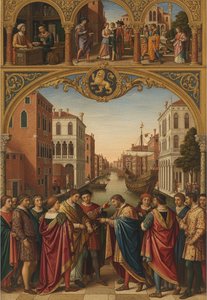
Vittore Carpaccio: Narrazione Rinascimentale e la Poetica del Dettaglio a Venezia
Esplora l'arte di Vittore Carpaccio e il Rinascimento veneziano. Approfondisci la storia della Scuola di San Giorgio degli Schiavoni, il suo ciclo pittorico unico e la poetica del dettaglio che lo rende un maestro.

The Enduring Power of Painting: A Historical & Contemporary Exploration of Form and Emotion
Explore the rich history & enduring techniques of oil painting with OriginalUniqueArt. Discover masterpieces, learn about art collecting, and find authentic handmade reproductions crafted by skilled artists.
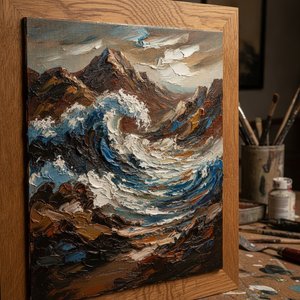
Oil on Panel: The Ultimate Guide to Bold, High-Impact Texture & Depth
Master the art of impact with our expert guide to oil on panel. Discover how impasto textures and heavy-body pigments create 3D depth and bold visual energy for modern interiors. Elevate your space with high-impact, hand-painted masterpieces designed for maximum aesthetic punch.

The Enduring Legacy of Oil on Canvas: Technique, History & Aesthetic Impact
Explore the rich history & techniques of oil painting – from Renaissance masters to Impressionism. Discover pigments, layering methods, and why this timeless medium endures. Expert insights for artists & art enthusiasts.

Oil on Canvas: A Historical & Technical Exploration of a Timeless Artistic Medium
Explore the rich history & enduring techniques of oil painting on canvas. Discover the science behind its longevity, conservation practices, and contemporary relevance. Expert insights for art enthusiasts.


