

 Anteprima in scala reale
 Condividi
 Condividi
 Dettagli

 Scarica
 Articoli simili
 Radiografia
 Slideshow
 Statistiche
Nuit étoilée sur le Rhône


 Leggi tutto
Giclée / Stampe d'arte
Stampa giclée o su tela di qualità museale, con produzione rapida e diverse opzioni di finitura. ( Ordina la riproduzione dipinta a mano Passa all'immagine digitale)




P118B $10

P118H $10

P118W $10

P438Z $10

P508JH $12

P508YH $12

P805H $10

P805Z $10

P919BZ $10

P919G $10

P919XJ $10

P959ZH $10

P968JZ $12

W106C $8

W218G $10

W218JH $8

W218Y $10

W307PJ $10

W316G $10

W316PJ $8

W316Y $10

W398PJ $8

W4111J $10

W500HY $15

W500JH $15

W692G $12

W849H $8

W940BG $15

W953PJ $8




Scegli tra le nostre dimensioni predefinite, che rispettano le proporzioni originali dell'opera d'arte.

È possibile inserire dimensioni personalizzate per adattare l'opera a una cornice o a uno spazio specifico. Se la dimensione selezionata non corrisponde alle proporzioni dell'immagine originale, procederemo al ritaglio dell'opera o all'estensione dell'immagine con un bordo specchiato o a tinta unita. Un mockup digitale ti verrà inviato per approvazione prima dell'inizio della produzione.
Si prega di notare che l'anteprima a schermo non riflette il ritaglio o l'estensione effettivi. Solo il mockup mostrerà accuratamente la composizione finale.
Sebbene siano disponibili dimensioni personalizzate, si raccomanda di selezionare una dimensione dall'elenco predefinito per preservare le proporzioni originali.
Consegna in tutto il mondo () in 2 settimane invece delle normali 4/5 settimane. (18 Settembre)

Spedizione espressa gratuita in tutto il mondo

Tela in lino di alta qualità

Assicurazione completa sulla spedizione

Garanzia di rimborso dei dazi doganali

Garanzia di perfetta fedeltà cromatica

Politica di reso entro 100 giorni (solo per difetti di fabbricazione)

Garanzia di rimborso al 100%

Sconto per acquisti multipli
 L'opzione vetro è disponibile solo per dimensioni inferiori a 110 cm

Nuit étoilée sur le Rhône
Giclée / Stampe d'arte
Dimensioni della riproduzione
-


Prezzo totale
$ 80
A Night Alive: Decoding Van Gogh’s *Nuit Étoilée Sur Le Rhône*
Vincent van Gogh's *Nuit Étoilée Sur Le Rhône*, painted in September 1888 during his time in Arles, France, is more than just a depiction of a starry night; it’s a deeply personal and emotionally resonant scene. This captivating work offers a glimpse into Van Gogh’s evolving style and his profound connection with the natural world. It remains one of his most beloved and enduring works, celebrated for its expressive brushwork and evocative atmosphere.Subject & Composition
The painting portrays the Rhône River at night, illuminated by gaslights from the town of Arles and the shimmering reflections of stars. Two figures—a man and a woman—are subtly placed in the foreground, adding a human element to the vastness of the nocturnal landscape. The composition is anchored by strong horizontal lines representing the water and the distant shoreline, contrasted with the dynamic verticality of the gaslights and swirling celestial bodies above. This creates a sense of both tranquility and energetic movement – a masterful balance achieved by Van Gogh’s careful observation and artistic intuition.Style & Technique: A Post-Impressionist Masterpiece
*Nuit Étoilée Sur Le Rhône* is a prime example of Van Gogh’s distinctive Post-Impressionist style. He moves beyond merely *representing* reality to conveying his subjective experience of it. Thick, impasto brushstrokes are central to the painting's impact, creating texture and depth while simultaneously animating the scene with visible energy. The use of complementary colors – particularly the vibrant blues of the night sky against the warm oranges of the gaslights – intensifies the visual experience and adds a dramatic flair. Van Gogh’s technique isn’t about precise rendering; it’s about expressing feeling through color and form, prioritizing emotion over meticulous detail. This approach is evident in every stroke, capturing the luminescence of the stars and the warmth of the town lights with breathtaking accuracy.Historical Context & Influences
Painted shortly before *The Starry Night*, this work demonstrates Van Gogh’s experimentation with nocturnal scenes and his fascination with light. He was deeply influenced by Japanese woodblock prints, which often featured bold compositions and flattened perspectives – elements subtly present in the painting’s design. These influences contributed to a broader artistic dialogue surrounding expressive color and simplified forms, marking a pivotal moment in the development of modern art. The painting reflects Van Gogh's optimism following his relocation to Arles, where he sought refuge from mental instability and found inspiration in the beauty of the Provençal countryside.Symbolism & Emotional Resonance
The symbolism within *Nuit Étoilée Sur Le Rhône* is open to interpretation, but several themes emerge. The stars can be seen as representing hope and eternity, while the dark waters of the Rhône might symbolize the unknown or the depths of human emotion. The couple walking along the riverbank suggests companionship and a shared experience of beauty amidst the darkness – a poignant reminder of Van Gogh’s belief in the transformative power of art and nature. Overall, the painting evokes a sense of peaceful contemplation, tinged with a subtle undercurrent of melancholy – a hallmark of Van Gogh’s oeuvre that continues to resonate with viewers today. It's a testament to his ability to distill complex emotions into a single visual image, cementing its place as an icon of artistic expression.The Painting's Impact & Legacy
*Nuit Étoilée Sur Le Rhône* is celebrated for its emotional power and innovative technique. It captures not just what Van Gogh *saw*, but how he felt. The painting continues to inspire artists, designers, and art lovers alike, serving as a powerful reminder of the beauty that can be found even in moments of darkness. Its influence extends beyond Impressionism, paving the way for Expressionist painters like Edvard Munch and influencing countless subsequent artistic endeavors. It remains one of Van Gogh’s most enduring masterpieces, embodying his unwavering commitment to conveying emotion through color and form—a legacy that continues to captivate audiences worldwide.Biografia dell'artista
Vincent van Gogh: Vita, Arte e Eredità
Primi Anni di Vita e Influenze
- Nato il 30 marzo 1853 a Groot-Zundert, nei Paesi Bassi, Vincent Willem van Gogh era il maggiore di sei fratelli.
- Suo padre, Theodorus van Gogh, era un ministro protestante e la sua educazione fu profondamente influenzata dalla religione.
- Gli interessi iniziali includevano il disegno, ma intraprese diverse carriere prima di dedicarsi completamente all'arte. Lavorò come mercante d'arte, insegnante e missionario.
- Influenze Chiave: Le influenze iniziali includevano i maestri olandesi come Rembrandt van Rijn e Frans Hals, nonché i pittori francesi contemporanei Jean-François Millet e Camille Corot.
Sviluppo Artistico e Stile
- Van Gogh iniziò a dipingere seriamente nel 1880, principalmente autodidatta.
- Le sue prime opere si concentravano sulla rappresentazione della vita dei contadini e dei lavoratori, riflettendo la sua empatia per la classe operaia.
- Un trasferimento a Parigi nel 1886 lo espose all'Impressionismo e al Post-Impressionismo, portando a una tavolozza più luminosa e alla sperimentazione con nuove tecniche.
- Stile Distintivo: Van Gogh sviluppò uno stile altamente individuale caratterizzato da colori audaci, pennellate espressive e intensità emotiva. Spesso utilizzava l'impasto – strati spessi di vernice – per creare texture e comunicare emozione.
Periodi Chiave e Opere
- Il Periodo Olandese (1880-1886): Focalizzato su tonalità scure e terrose e rappresentazioni della vita rurale. Opere notevoli includono The Potato Eaters.
- Il Periodo Parigino (1886-1888): Sperimentazione con le tecniche impressioniste e colori più brillanti.
- Il Periodo di Arles (1888-1889): Un periodo di intensa creatività segnato da paesaggi vibranti, ritratti e nature morte. Opere chiave includono Sunflower, The Night Café e Starry Night Over the Rhône.
- Saint-Rémy & Auvers-sur-Oise (1889-1890): Dopo una crisi di salute mentale, Van Gogh entrò volontariamente in un ospedale psichiatrico a Saint-Rémy. Gli ultimi anni della sua vita furono segnati da una continua produzione artistica ma anche da crescente angoscia emotiva. Opere notevoli includono The Starry Night e ritratti del Dottor Gachet.
Realizzazioni Principali e Riconoscimenti
- Nonostante lottasse con la malattia mentale e affrontasse il rifiuto durante la sua vita, Van Gogh creò oltre 2.100 opere d'arte in poco più di un decennio – circa 860 dipinti a olio.
- Il suo lavoro ha avuto una profonda influenza sullo sviluppo dell'arte moderna, in particolare l'Espressionismo e il Fauvismo.
- Fama Postuma: Il riconoscimento è arrivato dopo la sua morte nel 1890. Le sue opere hanno guadagnato popolarità crescente nel corso del XX secolo, diventando alcune delle opere d'arte più riconoscibili e preziose al mondo.
Significato Storico ed Eredità
- L'arte di Van Gogh continua a risuonare con il pubblico di oggi grazie alla sua onestà emotiva, ai colori vivaci e all'espressione potente dell'esperienza umana.
- È considerato uno dei personaggi più importanti nella storia dell'arte occidentale, ispirando generazioni di artisti.
- La sua vita è diventata un simbolo dell'"artista tormentato", sebbene questa narrativa spesso oscuri la sua dedizione, abilità e visione artistica.
- Musei in tutto il mondo, tra cui il Van Gogh Museum ad Amsterdam, espongono le sue opere e celebrano la sua duratura eredità.
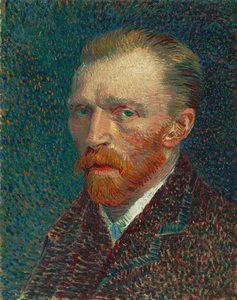
vincent willem van gogh
1853 - 1890 , Paesi Bassi
Informazioni rapide
- Artistic Movement Or Style: Post-Impressionismo
- Artists Or Movements Influenced By This Artist:
- Espressionismo
- Fauvismo
- Artists Who Influenced This Artist:
- Rembrandt
- Millet
- Date Of Birth: 30 marzo 1853
- Date Of Death: 29 luglio 1890
- Full Name: Vincent Willem van Gogh
- Nationality: Olandese
- Notable Artworks:
- Notte stellata
- Girasoli
- La notte del caffè
- Place Of Birth: Zundert, Paesi Bassi
Articoli correlati
Decodificare l'Angoscia di Van Gogh: Riproduzioni Magistrali e Profondità Emotiva con OriginalUniqueArt
Esplora l'angoscia e la bellezza di Van Gogh con riproduzioni magistrali realizzate a mano da OriginalUniqueArt. Scopri opere iconiche, analisi approfondite e porta il genio post-impressionista nella tua collezione.
Beyond the Light: Discovering the Soul and Emotional Depth of Post-Impressionism
Embark on a cultural journey through Post-Impressionism. Discover the profound emotional depth of masters like Van Gogh and Cézanne, exploring how they moved beyond light to capture the very soul of human experience through vibrant color and symbolic form.
Beyond Impressionism: The Emotional Depth and Vibrant Evolution of Post-Impressionist Landscapes
Explore the profound evolution of Post-Impressionist landscapes. From Van Gogh's emotional brushwork to Cézanne's structural mastery, discover how these visionaries redefined art history through color and form in this expert guide for fine art enthusiasts.
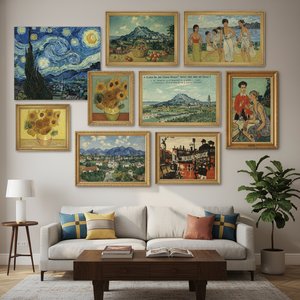
I 10 Capolavori Post-Impressionisti che Hanno Rivoluzionato l'Arte e la Decorazione d'Interni
Esplora i 10 capolavori del Post-Impressionismo con Van Gogh, Monet e Cézanne. Scopri le storie dietro questi dipinti iconici e lasciati ispirare per la tua decorazione d'interni. Stampe su tela di alta qualità su !
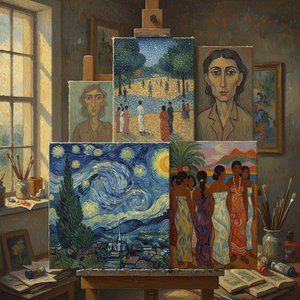
Beyond Impressionism: Exploring the Emotional Depth of Post-Impressionist Painting
Explore the profound emotional depth & innovative techniques of Post-Impressionism with OriginalUniqueArt. Discover Cézanne, Van Gogh, Gauguin & more – and their lasting impact on modern art.




![Iridi [1889]](/media/artworks/images-thumb/ca/85/ca85582a4fd1dc392efef83ec4dc3124.jpg)

