
 Anteprima in scala reale
 Invia
Invia Condividi
 Dettagli opera
 Guida
Guida

 Scarica
 Simili
 Radiografia
 Slideshow
 Q&A
Q&A Statistiche
Dog


 Espandi i dettagli
Giclée / Stampe d'arte
Stampa giclée o su tela di qualità museale, con produzione rapida e diverse opzioni di finitura. ( Acquista il dipinto realizzato a mano Passa all'immagine digitale)




P118B €10

P118H €10

P118W €10

P438Z €10

P508JH €12

P508YH €12

P805H €10

P805Z €10

P919BZ €10

P919G €10

P919XJ €10

P959ZH €10

P968JZ €12

W106C €8

W218G €10

W218JH €8

W218Y €10

W307PJ €10

W316G €10

W316PJ €8

W316Y €10

W398PJ €8

W4111J €10

W500HY €15

W500JH €15

W692G €12

W849H €8

W940BG €15

W953PJ €8




Scegli tra le nostre dimensioni predefinite, che rispettano le proporzioni originali dell'opera d'arte.

Inserisci la larghezza e l'altezza desiderate, per adattarle alla tua cornice o alla tua parete. Una stampa può essere solo ritagliata, mai resa più grande dell'immagine originale; pertanto, un formato con una forma differente comporterà la perdita di una parte dell'opera. Ti invieremo un mockup digitale da approvare prima di procedere con la stampa. L'immagine mostrata in questa pagina non rappresenta il ritaglio reale — solo il mockup lo mostra.
Consegna in tutto il mondo () in 2 settimane invece delle normali 4/5 settimane. (31 Ottobre)

Spedizione espressa gratuita in tutto il mondo

Tela in lino di alta qualità

Assicurazione completa sulla spedizione

Garanzia di rimborso dei dazi doganali

Garanzia di fedeltà cromatica assoluta

Politica di reso entro 100 giorni (solo per difetti di fabbricazione)

Garanzia di rimborso al 100%

Offerta per acquisti multipli
 L'opzione vetro è disponibile solo per dimensioni inferiori a 110 cm

Dog
Giclée / Stampe d'arte
Dimensioni riproduzione
-


Prezzo finale calcolato
€ 71
A Moment Frozen in Motion: Exploring Vincent van Gogh’s “Dog”
- Subject Matter & Narrative The artwork depicts a dynamic scene of animals—specifically, a dog in motion amidst other dogs and birds. More than just a depiction of creatures inhabiting a landscape, it encapsulates a feeling of unrestrained energy and spontaneity. Van Gogh’s intention wasn't merely to record what he saw; rather, he sought to convey an emotional response to the subject matter – a palpable sense of movement and vitality that transcends literal representation.
- Style & Technique: Impressionistic Echoes While firmly rooted in representational art, “Dog” possesses stylistic qualities reminiscent of Impressionism. This is achieved through Van Gogh’s masterful use of loose brushstrokes and an emphasis on capturing the fleeting effects of light and atmosphere. Unlike academic painting traditions prioritizing meticulous detail, Van Gogh deliberately eschewed precision, favoring instead a technique characterized by direct pencil application with minimal erasing—a bold decision that prioritized expressive gesture over photographic accuracy.
- Composition & Visual Language The diagonal placement of the central dog immediately draws the viewer’s eye and establishes a dominant visual rhythm. Supporting this dynamic element are secondary figures – other dogs and birds – rendered with less detail, serving to heighten depth perception and reinforce the overall impression of movement. Careful consideration is given to perspective; size variations between the foreground dog and background animals contribute to creating an illusion of space.
- Color Palette & Material Considerations The artwork’s monochromatic palette—primarily shades of gray—is a deliberate choice that amplifies the impact of line work and tonal variation. Graphite pencils were employed as the medium, allowing for nuanced shading and textural rendering. This selection underscores Van Gogh's commitment to conveying emotion through form and surface qualities rather than relying on color to stimulate visual sensation.
- Symbolism & Emotional Resonance Beyond its depiction of animals, “Dog” speaks to broader themes of freedom, vitality, and perhaps even vulnerability. The dog’s energetic posture embodies a spirit of unrestrained movement—a defiance against confinement—reflecting Van Gogh's own personal struggles and aspirations during his turbulent life. It invites contemplation on the beauty found in imperfection and the transformative power of artistic expression.
Domande e risposte
Dove posso trovare una guida dedicata a "Dog"?
La pagina Schede didattiche di "Dog" di Vincent Willem Van Gogh offre una scheda informativa stampabile su due fogli: l'opera d'arte con la sua tabella identificativa, una linea temporale decennale che la colloca nel periodo di vita dell'artista, altre opere dello stesso autore, la tavolozza dei colori misurata e citazioni pronte da copiare in quattro stili diversi.
Quanto sono vivaci i colori di "Dog"?
"Dog" di Vincent Willem Van Gogh presenta una saturazione di Muted e un'intensità di Monochromatic.
Il soggetto di "Dog" è coerente con i temi abituali di Vincent Willem Van Gogh?
"Dog" raffigura animal sketch, motion capture, monochrome drawing, landscape detail, dynamic composition, pencil technique, wildlife scene, mentre i temi ricorrenti di Vincent Willem Van Gogh sono impressionist impressionism, dutch landscape tradition, emotional expression style, movement exploration, artist vision legacy. Il confronto tra i due evidenzia come l'opera si relazioni con i soggetti abituali dell'artista.
Biografia dell'artista
Vincent van Gogh: Vita, Arte e Eredità
Primi Anni di Vita e Influenze
- Nato il 30 marzo 1853 a Groot-Zundert, nei Paesi Bassi, Vincent Willem van Gogh era il maggiore di sei fratelli.
- Suo padre, Theodorus van Gogh, era un ministro protestante e la sua educazione fu profondamente influenzata dalla religione.
- Gli interessi iniziali includevano il disegno, ma intraprese diverse carriere prima di dedicarsi completamente all'arte. Lavorò come mercante d'arte, insegnante e missionario.
- Influenze Chiave: Le influenze iniziali includevano i maestri olandesi come Rembrandt van Rijn e Frans Hals, nonché i pittori francesi contemporanei Jean-François Millet e Camille Corot.
Sviluppo Artistico e Stile
- Van Gogh iniziò a dipingere seriamente nel 1880, principalmente autodidatta.
- Le sue prime opere si concentravano sulla rappresentazione della vita dei contadini e dei lavoratori, riflettendo la sua empatia per la classe operaia.
- Un trasferimento a Parigi nel 1886 lo espose all'Impressionismo e al Post-Impressionismo, portando a una tavolozza più luminosa e alla sperimentazione con nuove tecniche.
- Stile Distintivo: Van Gogh sviluppò uno stile altamente individuale caratterizzato da colori audaci, pennellate espressive e intensità emotiva. Spesso utilizzava l'impasto – strati spessi di vernice – per creare texture e comunicare emozione.
Periodi Chiave e Opere
- Il Periodo Olandese (1880-1886): Focalizzato su tonalità scure e terrose e rappresentazioni della vita rurale. Opere notevoli includono The Potato Eaters.
- Il Periodo Parigino (1886-1888): Sperimentazione con le tecniche impressioniste e colori più brillanti.
- Il Periodo di Arles (1888-1889): Un periodo di intensa creatività segnato da paesaggi vibranti, ritratti e nature morte. Opere chiave includono Sunflower, The Night Café e Starry Night Over the Rhône.
- Saint-Rémy & Auvers-sur-Oise (1889-1890): Dopo una crisi di salute mentale, Van Gogh entrò volontariamente in un ospedale psichiatrico a Saint-Rémy. Gli ultimi anni della sua vita furono segnati da una continua produzione artistica ma anche da crescente angoscia emotiva. Opere notevoli includono The Starry Night e ritratti del Dottor Gachet.
Realizzazioni Principali e Riconoscimenti
- Nonostante lottasse con la malattia mentale e affrontasse il rifiuto durante la sua vita, Van Gogh creò oltre 2.100 opere d'arte in poco più di un decennio – circa 860 dipinti a olio.
- Il suo lavoro ha avuto una profonda influenza sullo sviluppo dell'arte moderna, in particolare l'Espressionismo e il Fauvismo.
- Fama Postuma: Il riconoscimento è arrivato dopo la sua morte nel 1890. Le sue opere hanno guadagnato popolarità crescente nel corso del XX secolo, diventando alcune delle opere d'arte più riconoscibili e preziose al mondo.
Significato Storico ed Eredità
- L'arte di Van Gogh continua a risuonare con il pubblico di oggi grazie alla sua onestà emotiva, ai colori vivaci e all'espressione potente dell'esperienza umana.
- È considerato uno dei personaggi più importanti nella storia dell'arte occidentale, ispirando generazioni di artisti.
- La sua vita è diventata un simbolo dell'"artista tormentato", sebbene questa narrativa spesso oscuri la sua dedizione, abilità e visione artistica.
- Musei in tutto il mondo, tra cui il Van Gogh Museum ad Amsterdam, espongono le sue opere e celebrano la sua duratura eredità.
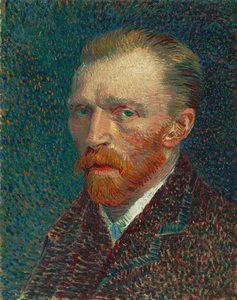
Vincent Willem Van Gogh
1853 - 1890 , Paesi Bassi
Dettagli rapidi
- Artistic Movement Or Style: Post-Impressionismo
- Artists Or Movements Influenced By This Artist:
- Espressionismo
- Fauvismo
- Artists Who Influenced This Artist:
- Rembrandt
- Millet
- Date Of Birth: 30 marzo 1853
- Date Of Death: 29 luglio 1890
- Full Name: Vincent Willem van Gogh
- Nationality: Olandese
- Notable Artworks:
- Notte stellata
- Girasoli
- La notte del caffè
- Place Of Birth: Zundert, Paesi Bassi
Articoli correlati
The Power of Graphite: Mastering Depth, Texture, and Detail in the Art of Pencil Drawing
Explore the profound artistry of graphite drawing. Discover professional techniques for mastering depth, texture, and detail through a lens of art history, from classical sketches to modern masterpieces. Elevate your understanding of the pencil medium with our expert guide.

Il XIX Secolo nell'Arte: 10 Capolavori da Ammirare e Riscoprire
Esplora i 10 capolavori del XIX secolo! Da Manet a Klimt, scopri la storia e l'arte di dipinti iconici. Impressionismo, realismo e romanticismo ti aspettano su OriginalUniqueArt.com. Scopri tutta la collezione online.

L'Arte della Grafite: Guida Tecnica alla Gestione di Luci, Ombre e Precisione nel Disegno
Scopri la tecnica professionale per dominare luci e ombre con la grafite. Impara l'arte del chiaroscuro ora.

L'Arte del Chiaroscuro: Guida Tecnica alla Gestione di Luci e Ombre con la Grafite
Impara a dominare luci e ombre con la grafite attraverso tecniche professionali. Scopri come creare volumi reali nel tuo disegno.
The Nuances of Graphite: Exploring Emotional Depth & Technical Mastery in Pencil Drawing
Explore the captivating world of graphite drawing! Discover its rich history, master essential techniques like chiaroscuro, and learn how artists evoke emotion through this timeless medium. Expert insights for art enthusiasts.




![Iridi [1889]](/media/artworks/images-thumb/ca/85/ca85582a4fd1dc392efef83ec4dc3124.jpg)

