Menu

() ·

A painting made for you, by hand

Vilag II

Riproduzione a olio fatta a mano

Olio su tela dipinto a mano nelle tue dimensioni e con la tua cornice, realizzato su ordinazione dai nostri artisti. ( Passa alle stampe Passa all'immagine digitale)

Descrizione del reperto

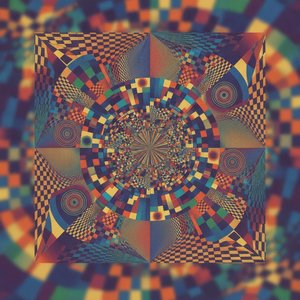
Scopri 'Vilag II' di Victor Vasarely, un capolavoro ipnotico della Op Art! Questa vibrante serigrafia gioca con la percezione, creando illusioni dinamiche e incantando con i suoi motivi geometrici e colori audaci.

Biografia dell'artista

Scopri Victor Vasarely (1906-1997), pioniere dell'Op Art! Illusioni ottiche, geometrie e arte cinetica che hanno rivoluzionato il design moderno. Esplora la sua eredità su OriginalUniqueArt.

from ·

Chapter 1

How large should it be?

Slide to change the size; the picture on the left shows the frame at its real width. The proportions of the original are kept.

Formato standard
su misura
CM
INCH

Scegli tra le nostre dimensioni predefinite, che rispettano le proporzioni originali dell'opera d'arte.

larghezza
altezza

Inserisci la larghezza e l'altezza desiderate, per adattarle alla tua cornice o alla tua parete. Trattandosi di un'opera dipinta a mano, in caso di dimensioni con un formato differente, l'artista può estendere leggermente il dipinto oltre i bordi dell'immagine o ritagliare una piccola parte — la scelta spetta a te. Ti invieremo un mockup digitale da approvare prima che la realizzazione abbia inizio. L'immagine mostrata in questa pagina non rappresenta il risultato finale — solo il mockup lo fa.

Chapter 2

How should it arrive?

Choose the edges of the stretched canvas

Choose your frame

Corner sample of the WhiteWrap canvas edge finish, stretched on legno massello bars
White €1
Corner sample of the BlurSideWrap canvas edge finish, stretched on legno massello bars
Blurside €1
Corner sample of the ExtendedWrap canvas edge finish, stretched on legno massello bars
Extended €1
Corner sample of the P118B picture frame: polistirene stampato, 5 cm wide and 3 cm thick
P118B €10
Corner sample of the P118H picture frame: polistirene stampato, 5 cm wide and 3 cm thick
P118H €10
Corner sample of the P118W picture frame: polistirene stampato, 5 cm wide and 3 cm thick
P118W €10
Corner sample of the P438Z picture frame: polistirene stampato, 5.5 cm wide and 3.5 cm thick
P438Z €10
Corner sample of the P508JH picture frame: polistirene stampato, 7 cm wide and 3.5 cm thick
P508JH €12
Corner sample of the P508YH picture frame: polistirene stampato, 7 cm wide and 3.5 cm thick
P508YH €12
Corner sample of the P805H picture frame: polistirene stampato, 5 cm wide and 3.5 cm thick
P805H €10
Corner sample of the P805Z picture frame: polistirene stampato, 5 cm wide and 3.5 cm thick
P805Z €10
Corner sample of the P919BZ picture frame: polistirene stampato, 7 cm wide and 3.5 cm thick
P919BZ €10
Corner sample of the P919G picture frame: polistirene stampato, 7 cm wide and 3.5 cm thick
P919G €10
Corner sample of the P919XJ picture frame: polistirene stampato, 7 cm wide and 3.5 cm thick
P919XJ €10
Corner sample of the P959ZH picture frame: polistirene stampato, 5 cm wide and 3 cm thick
P959ZH €10
Corner sample of the P968JZ picture frame: polistirene stampato, 6 cm wide and 4 cm thick
P968JZ €12
Corner sample of the W106C picture frame: legno massello, 5 cm wide and 3 cm thick
W106C €8
Corner sample of the W218G picture frame: legno massello, 5 cm wide and 3 cm thick
W218G €10
Corner sample of the W218JH picture frame: legno massello, 5 cm wide and 3 cm thick
W218JH €8
Corner sample of the W218Y picture frame: legno massello, 5 cm wide and 3 cm thick
W218Y €10
Corner sample of the W307PJ picture frame: legno massello, 6 cm wide and 3 cm thick
W307PJ €10
Corner sample of the W316G picture frame: legno massello, 6 cm wide and 3 cm thick
W316G €10
Corner sample of the W316PJ picture frame: legno massello, 6 cm wide and 3 cm thick
W316PJ €8
Corner sample of the W316Y picture frame: legno massello, 6 cm wide and 3 cm thick
W316Y €10
Corner sample of the W398PJ picture frame: legno massello, 5 cm wide and 3 cm thick
W398PJ €8
Corner sample of the W4111J picture frame: legno massello, 6.5 cm wide and 3.5 cm thick
W4111J €10
Corner sample of the W500HY picture frame: legno massello, 7 cm wide and 5 cm thick
W500HY €15
Corner sample of the W500JH picture frame: legno massello, 7 cm wide and 5 cm thick
W500JH €15
Corner sample of the W692G picture frame: legno massello, 8 cm wide and 4 cm thick
W692G €12
Corner sample of the W849H picture frame: legno massello, 5 cm wide and 3 cm thick
W849H €8
Corner sample of the W940BG picture frame: legno massello, 7.5 cm wide and 4.5 cm thick
W940BG €15
Corner sample of the W953PJ picture frame: legno massello, 6 cm wide and 3.5 cm thick
W953PJ €8
Corner sample of the H24-GOLD picture frame: legno intagliato e gessato, 10 cm wide and 6 cm thick
H24-GOLD €30
Corner sample of the H24-SILVER picture frame: legno intagliato e gessato, 10 cm wide and 6 cm thick
H24-SILVER €30
Corner sample of the H36-GOLD picture frame: legno intagliato e gessato, 15 cm wide and 6.5 cm thick
H36-GOLD €45
Corner sample of the H36-SILVER picture frame: legno intagliato e gessato, 15 cm wide and 6.5 cm thick
H36-SILVER €45
Anteprima cornice
Con cornice

Moulding: . Overall size with the frame: .

Chapter 3

Who paints it, and should anything change?

Examples of what can be changed: Replace face with customer photo; Add pet (e.g., replace cat with dog); Include hidden message in background; Change background landscape or elements.
After order, OriginalUniqueArt.com team will email client for instructions and provide a mockup preview

Consegna in tutto il mondo () in 3/4 settimane anziché nelle normali 5 settimane. (30 Ottobre). Nessun compromesso sulla qualità.

Chapter 4

The finishing touches

A nameplate, as in a museum?

Dettagli della targhetta in bronzo inciso

This elegant plaque features the artist's name and the title of the artwork, finely engraved for a timeless presentation.

It is made from bronze with a refined, elegant finish. The text is precisely laser-engraved for a sharp and permanent result. Measuring 9x2 cm, the plaque is compact yet easy to read. It's built to be durable and scratch-resistant, offering a professional, museum-quality look. Mounting is simple thanks to the included adhesive backing.

Dettagli della targhetta in acrilico trasparente

The plaque includes essential engraved details such as the artist's name, the title of the artwork, the date it was created, the type of media used-like oil on canvas or watercolor-a brief description of the piece, and a QR code that links to the complete artwork information.

It is crafted from clear acrylic, offering a sleek, modern appearance. The text is UV-engraved in black to ensure strong visual contrast. With a size of 10x15 cm, it ensures optimal readability. It comes equipped with two metal hooks for secure wall mounting. The plaque is designed to be weather-resistant, making it suitable for various environments, and it includes interactive features that work seamlessly with smartphone scanning.

Dettagli della targhetta in acrilico nero

This elegant plaque includes engraved information such as the artist's name, the title of the artwork, the date it was created, the type of media used (like oil on canvas or watercolor), a short description of the artwork, and a QR code for quick access to more information.

The plaque itself is made from refined black acrylic with a premium finish. The text is laser-engraved in white for high contrast and readability. Its size is 10x15 cm, designed to be easy to read. It comes with two metal hooks for professional mounting. The design is sleek and fits any interior style. It is also weather-resistant and durable, with built-in digital integration for mobile compatibility.

A protective varnish?

When do you need it?

Chapter 5

Your painting, as you ordered it

Vilag II

Tecnica di riproduzione

Dimensioni riproduzione

-

Artisti di alto livello

Maggiore dettaglio, finezza e tempi di produzione dedicati

-

Cornice per riproduzione

-

-

Per opere d'arte o riproduzioni con un lato superiore a 105 cm (circa 41 pollici), la cornice verrà spedita in forma di kit smontato. Questo metodo garantisce una consegna sicura e previene danni durante il trasporto.

Montaggio professionale richiesto - non è un prodotto fai-da-te.
Il kit deve essere assemblato e la tela tesa da un esperto cornice professionista, utilizzando colla per legno (non inclusa), una pinza per tendere la tela e morsetti per mantenere i listelli in squadra durante l'asciugatura della colla. Un montaggio errato o una tensione non uniforme della tela possono danneggiare permanentemente l'opera d'arte e non sono coperti dalla nostra garanzia.

  • Tutte le barre in legno massello sono incluse, tagliate con precisione alle dimensioni corrette.

  • Da assemblare con le viti fornite e con la colla per legno per gli incastri degli angoli, che non è inclusa e dovrà essere reperita dal vostro corniceio.

  • Sono necessari strumenti professionali non inclusi: una pinza tendicanvas (tenditore) e dei morsetti per mantenere i listelli in squadra durante l'asciugatura della colla.

Importante:
Gli incastri d'angolo richiedono colla per legno, i listelli devono essere mantenuti in posizione con dei morsetti finché la colla non è completamente asciutta, e il tensionamento della tela sulla cornice assemblata richiede una pinza per tendere la tela. Nessuno di questi strumenti è incluso nel kit. Si prega di consultare un incorniciatore professionista esperto prima di ordinare questa misura.

Didascalia

-

-

Vernice protettiva

Vernice lucida (esalta i colori, protegge da luce e umidità)

-

Personalizza la mia opera

Esempi di personalizzazione: sostituire il volto con una foto del cliente; aggiungere un animale domestico (ad esempio, sostituire un gatto con un cane); inserire un messaggio nascosto nello sfondo; cambiare il paesaggio o gli elementi dello sfondo.

-

Consegna rapida

Consegna in tutto il mondo () in 3/4 settimane anziché nelle normali 5 settimane. (30 Ottobre). Nessun compromesso sulla qualità.

-

Spedizione espressa

Spedizione in tutto il mondo () in 5 settimane. (6 Novembre).

Spedizione inclusa

Prezzo finale calcolato

€ 265

Prezzo totale € 265

L'opzione vetro è disponibile solo per dimensioni inferiori a 110 cm

Included with every order

  • Spedizione espressa gratuita in tutto il mondo
  • Tela in lino di alta qualità
  • Assicurazione completa sulla spedizione
  • Garanzia di rimborso dei dazi doganali
  • Garanzia di fedeltà cromatica assoluta
  • Politica di reso entro 100 giorni (solo per difetti di fabbricazione)
  • Garanzia di rimborso al 100%
  • Offerta per acquisti multipli

The Genesis of Illusion: Unveiling Vilag II

Victor Vasarely’s Vilag II isn't merely a painting; it’s an invitation into a world where perception itself is playfully challenged. Born Károly Vaszary in Pécs, Croatia, in 1906, Vasarely wasn’t destined for the canvas initially. His early pursuits leaned towards medicine before he was captivated by the burgeoning possibilities of visual expression, ultimately leading him to the influential Sándor Bortnyik’s Műhely workshop – a crucible where the principles of Bauhaus design and geometric abstraction were forged into his signature style. This formative environment instilled within him a systematic approach to artmaking, one rooted in logic and precision, moving beyond traditional representational forms.

Vilag II, created in 1978, exemplifies this philosophy perfectly. It’s a serigraph – a screenprint technique that allows for the creation of incredibly vibrant and detailed images – utilizing bold hues of blue, red, and black against a stark white background. The composition isn't about depicting a recognizable scene; instead, it’s an intricate dance of intersecting circles, each subtly differentiated through variations in color and texture. These aren’t static forms; they seem to vibrate with energy, creating a sense of movement and depth that defies the limitations of a two-dimensional surface.

Op Art's Architect: Vasarely and the Pursuit of Spatial Illusion

Vasarely is undeniably one of the pioneers of Op Art – Optical Art. This movement sought to manipulate visual perception, creating illusions of depth, movement, and three-dimensionality through purely formal means. He wasn’t interested in mimicking reality; rather, he aimed to reveal the inherent dynamism within how we *see* the world. His method involved meticulously calculated grids and mathematical principles, translating these into patterns that actively engage the viewer's brain, triggering a fascinating interplay between what is seen and what is perceived.

The creation of Vilag II reflects this dedication to controlled experimentation. Vasarely’s systematic approach ensured that each element contributed to the overall illusion, working in harmony to generate a complex yet balanced visual experience. The piece draws heavily on principles of Gestalt psychology – the idea that our brains automatically organize visual information into meaningful groups and patterns – further enhancing its captivating effect.

A Transatlantic Dialogue: Vasarely's Influence

Vasarely’s work transcended national boundaries, engaging in a transatlantic exchange with artists like Alexander Calder, Fernand Léger, and Carlos Cruz-Diez. He played a pivotal role in the renovation of Ciudad Universitaria de Caracas (1944-70) under Carlos Raúl Villanueva, contributing to public artworks that transformed the campus into a symbol of modernity and urban planning. This project showcased Vasarely’s ability to create art accessible to all, democratizing visual experience and solidifying his legacy as a visionary artist.

The inclusion of elements like the interlocking circles and contrasting colors in Vilag II speaks to this broader engagement. It's not simply an isolated artwork; it’s part of a larger narrative – a testament to Vasarely’s commitment to pushing the boundaries of art and its relationship with society. The piece invites contemplation on how we perceive reality, mirroring the artist's own exploration into the fundamental principles governing perception and form.

Collecting the Illusion: A Timeless Masterpiece

Vilag II is more than just a beautiful image; it’s an investment in a piece of art history. Reproductions capture the vibrancy and complexity of the original, offering a way to bring Vasarely's groundbreaking vision into your home or office. Consider this artwork not merely as decoration, but as a portal – a reminder that our perception is constantly being shaped by the world around us, and that even the simplest forms can hold profound meaning.

Domande e risposte

Come posso scoprire opere d'arte simili a "Vilag II" di Victor Vasarely?

Le opere simili a "Vilag II" sono elencate nella pagina Opere simili dell'opera.

Quale tecnica è stata utilizzata per "Vilag II" di Victor Vasarely?

Victor Vasarely ha utilizzato la tecnica del Acrilico su tela per "Vilag II". La tecnica definisce la natura materica dell'opera originale.

Quali dimensioni e orientamento si raccomandano per una stampa di "Vilag II" di Victor Vasarely?

Per una stampa di "Vilag II" di Victor Vasarely, si consiglia il formato Medium con orientamento Square.

More about this painting

Anteprima in scala reale Anteprima in AR Passa alle stampe Passa all'immagine digitale Invia
Dettagli opera Guida Aggiungi ai preferiti Scarica Simili Radiografia Slideshow Q&A Statistiche

In numbers

  • 29frames to choose from
  • standard sizes, in its own proportions
  • 5weeks to paint and deliver it

About the original

Victor Vasarely

Victor Vasarely

1906 - 1997, Croazia

Quick facts about Victor Vasarely

  • Artistic Movement Or Style: Op Art, Astrazione geometrica
  • Artists Who Influenced This Artist:
    • Piet Mondrian
    • Kazimir Malevich
  • Date Of Birth: 9 aprile 1906
  • Date Of Death: 15 marzo 1997
  • Full Name: Victor Vasarely
  • Nationality: Ungaro-Francese
  • Notable Artworks:
    • Blue Study (1929)
    • Green Study (1929)
    • Georges Pompidou (1976)
  • Place Of Birth: Pécs, Croazia

Biografia dell'artista

Victor Vasarely: Pioniere dell'Op Art e dell'Esplorazione Cinetica

  • Nato: 9 aprile 1906, Pécs, Croazia
  • Morto: 15 marzo 1997, Parigi, Francia
  • Nazionalità: Ungaro-Francese

Victor Vasarely (nato Károly Vaszary) è stato una figura fondamentale nello sviluppo dell'Op Art e dell'arte cinetica. La sua opera mirava a trascendere la pittura tradizionale esplorando illusioni ottiche e creando esperienze visive dinamiche. Nato a Pécs, all'epoca parte dell'Austria-Ungheria (ora Croazia), la sua prima vita vide lo studio della medicina presso l'Università Eötvös Loránd di Budapest prima di dedicarsi completamente all'arte.

Primi Influssi e Sviluppo Artistico

  • Formazione Iniziale: Vasarely studiò inizialmente la pittura accademica tradizionale presso l'Accademia Podolini-Volkmann.
  • Influenza Bauhaus: Un punto di svolta cruciale fu la sua iscrizione al laboratorio di Sándor Bortnyik (Műhely) a Budapest, una scuola fortemente influenzata dai principi del Bauhaus che enfatizzavano il design funzionale e l'astrazione geometrica. Questa esposizione plasmò la sua futura direzione artistica.
  • Astrazione Geometrica: Alla fine degli anni '20 e all'inizio degli anni '30, Vasarely sperimentò con forme geometriche e relazioni cromatiche, allontanandosi dall'arte rappresentazionale verso l'astrazione pura. Opere chiave come "Studio Blu" (1929) e "Studio Verde" (1929) dimostrano questa transizione.

  • Influenza di Mondrian & Malevich: Pur sviluppando il suo stile unico, Vasarely fu influenzato dalle astrazioni geometriche di Piet Mondrian e Kazimir Malevich, sebbene cercasse in definitiva di andare oltre le loro composizioni statiche.

L'Ascesa dell'Op Art e l'Esplorazione Cinetica

  • Definizione dell'Op Art: Victor Vasarely è ampiamente considerato una figura fondatrice dell'Op Art (Optical Art), un movimento emerso negli anni '60 caratterizzato da opere d'arte che creano illusioni ottiche attraverso precise disposizioni di forme, colori e linee.
  • Approccio Sistematico: A differenza di alcuni artisti che si affidavano all'intuizione, Vasarely sviluppò un approccio sistematico alla sua arte, utilizzando griglie e principi matematici per generare schemi e creare effetti visivi dinamici. Mirava alla riproducibilità e all'appeal popolare.
  • Arte Cinetica & Installazioni su Larga Scala: In seguito nella sua carriera, Vasarely esplorò l'arte cinetica – opere d'arte che incorporano movimento o sembrano muoversi. "Georges Pompidou" (1976), un grande oggetto cinematico installato al Centre Pompidou di Parigi, esemplifica questa ambizione e dimostra il suo interesse per integrare l'arte con l'architettura e il design urbano.
  • Imprese Commerciali: Vasarely è stato anche un innovatore nell'applicazione dei suoi progetti a prodotti commerciali. La sua collaborazione con la porcellana Rosenthal ha dato vita alla serie di stoviglie "Suomi", dimostrando la sua capacità di tradurre concetti astratti in oggetti funzionali.

Principali Realizzazioni e Eredità

  • Fondazione Vasarely: La creazione della Fondazione Vasarely ad Aix-en-Provence, in Francia, ha garantito la conservazione e la promozione del suo vasto corpus di opere.
  • Esplorazione Spaziale: Un momento significativo è stato quando delle serigrafie di Vasarely sono state portate nello spazio a bordo della navicella franco-sovietica Salyut 7 (1982), vendute in seguito a beneficio dell'UNESCO – una testimonianza del riconoscimento globale della sua arte.
  • Influenza sul Design: L'approccio sistematico e lo stile geometrico di Vasarely hanno profondamente influenzato il graphic design, la moda e l'interior design. Il suo lavoro ha dimostrato come i principi astratti potessero essere applicati per creare ambienti visivamente coinvolgenti e funzionali.
  • Eredità Duratura: La legacy di Victor Vasarely risiede nella sua pionieristica esplorazione delle illusioni ottiche, dell'arte cinetica e dell'intersezione tra arte e tecnologia. Rimane una figura significativa nella storia dell'arte moderna, ispirando generazioni di artisti e designer con la sua visione innovativa.

Significato Storico

Il contributo di Vasarely alla storia dell'arte è multiforme. Ha superato le tecniche pittoriche tradizionali per creare opere che coinvolgono attivamente la percezione dello spettatore. Il suo approccio sistematico ha sfidato le nozioni convenzionali di creatività artistica e ha aperto la strada all'arte generata al computer e al design digitale. Abbracciando la riproducibilità e le applicazioni commerciali, Vasarely ha offuscato i confini tra arte figurativa e cultura popolare, lasciando un segno duraturo in entrambi.

Informazioni rapide

  • Titolo: Vilag II
  • Movimento: Op Art
  • Collocazione: Collezione privata
  • Artista: Victor Vasarely
  • Anno: 1978
  • Influenze: Bauhaus