
 Anteprima in scala reale
 Invia
Invia Condividi
 Dettagli opera

 Scarica immagine
 Simili
 Radiografia
 Slideshow
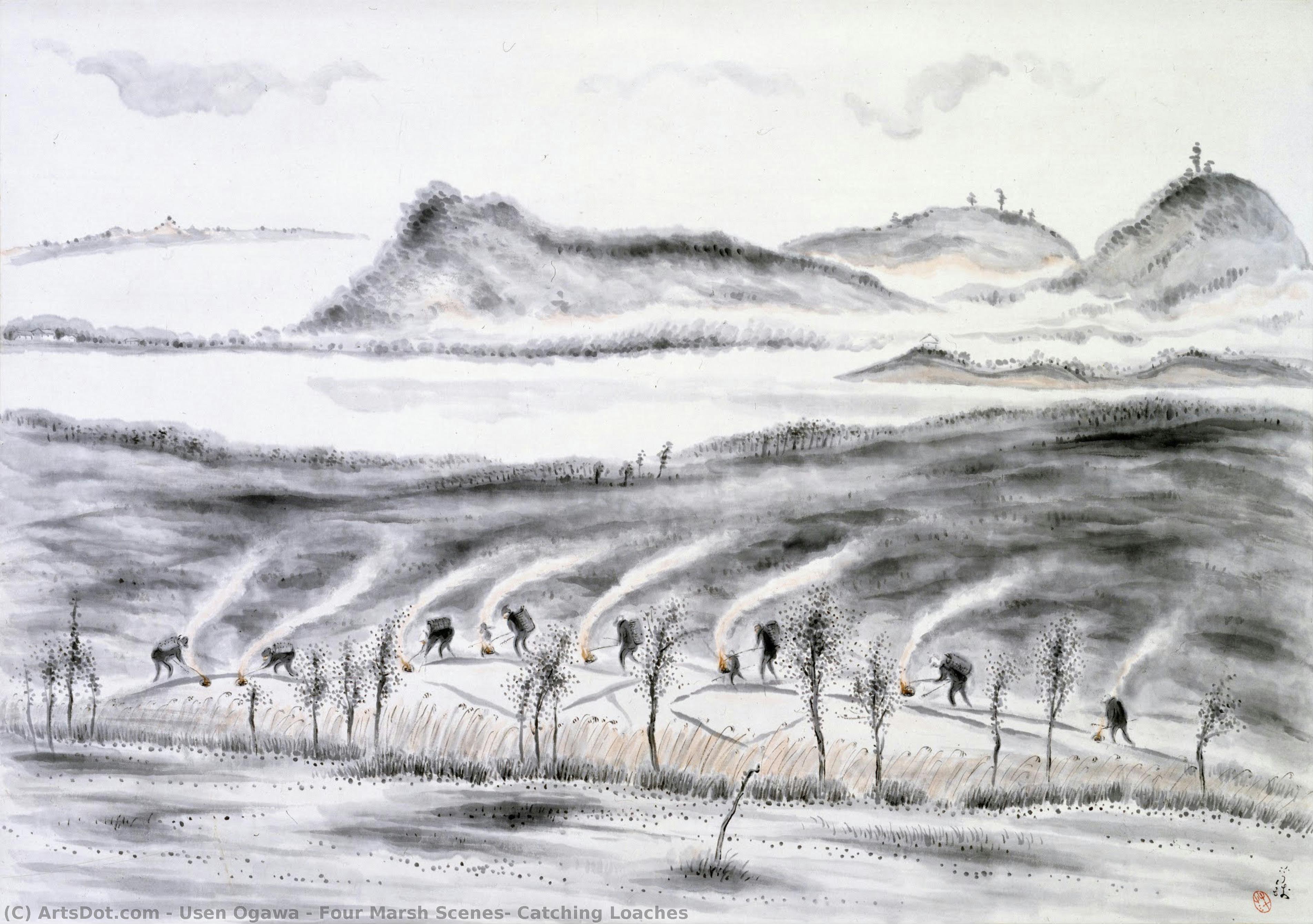
Four Marsh Scenes: Catching Loaches
 1922
1922 92.0 x 65.0 cm
 Museo prefetturale dell'arte di Aichi
 Espandi i dettagli
Riproduzione a olio fatta a mano
Olio su tela dipinto a mano nelle tue dimensioni e con la tua cornice, realizzato su ordinazione dai nostri artisti. ( Acquista stampa Acquista immagine)




































Scegli tra le nostre dimensioni predefinite, che rispettano le proporzioni originali dell'opera d'arte.

È possibile inserire dimensioni personalizzate per adattare l'opera a una cornice o a uno spazio specifico. Se la dimensione selezionata non corrisponde alle proporzioni dell'immagine originale, provvederemo a ritagliare l'opera o a estendere il dipinto con elementi aggiuntivi dipinti a mano. Un mockup digitale ti sarà inviato per approvazione prima dell'inizio della produzione.
Si prega di notare che l'anteprima a schermo non riflette il ritaglio o l'estensione effettivi. Solo il mockup mostrerà accuratamente la composizione finale.
Sebbene siano disponibili dimensioni personalizzate, consigliamo di selezionare una dimensione dall'elenco predefinito per preservare le proporzioni originali.
Dopo l'ordine, il team di OriginalUniqueArt.com contatterà il cliente via e-mail per le istruzioni e fornirà un'anteprima del mockup
Consegna in tutto il mondo () in 3/4 settimane anziché nelle normali 5 settimane. (30 Agosto). Nessun compromesso sulla qualità.

Spedizione espressa gratuita in tutto il mondo

Tela in lino di alta qualità

Assicurazione completa sulla spedizione

Garanzia di rimborso dei dazi doganali

Garanzia di fedeltà cromatica

Politica di reso entro 60 giorni (solo per difetti di fabbricazione)

Garanzia di rimborso al 100%

Offerta per acquisti multipli
 L'opzione vetro è disponibile solo per dimensioni inferiori a 110 cm

Four Marsh Scenes: Catching Loaches
Tecnica di riproduzione
Dimensioni riproduzione
-


Prezzo totale calcolato
$ 300
Biografia dell'artista
usen ogawa: A Pioneer of Shin-hanga Landscape Painting
usen ogawa (1868 – 1938) stands as a cornerstone figure in the revitalized landscape painting tradition known as shin-hanga, marking a pivotal moment in Japanese art history. Born in Edo amidst the burgeoning industrial era, Ogawa’s artistic journey was profoundly shaped by his exposure to Western Impressionism and Japonisme—the fascination with Japanese aesthetics that gripped European artists at the turn of the century—influences which he skillfully integrated into his distinctive style. Early Life & Influences: Ogawa’s formative years were spent studying Western art techniques, particularly Impressionism under Auguste Renoir and Claude Monet. This immersion in Impressionist principles instilled a deep appreciation for capturing fleeting moments of light and color, informing his approach to landscape painting throughout his career. He sought to emulate the expressive brushwork and tonal harmonies characteristic of Impressionist masterpieces, adapting these techniques to the unique challenges posed by traditional woodblock printing. The Shin-hanga Movement: Ogawa joined the Shin-hanga movement in 1908, spearheaded by artists like Hiroshi Yoshida and Tsuguro Yoshida. This collective aimed to revive traditional woodblock printing methods while embracing modern sensibilities, rejecting academic conventions and prioritizing direct observation of nature. Recognizing the importance of preserving Japanese artistic heritage, Ogawa embraced this revivalist impulse with unwavering conviction. He collaborated closely with fellow Shin-hanga practitioners, sharing ideas and techniques—a testament to the collaborative spirit that defined the movement. Ogawa’s artistic vision centered on capturing the ephemeral beauty of Japanese landscapes—particularly marshes and ponds—with breathtaking precision and vibrant color palettes. He meticulously studied botanical specimens and employed innovative techniques to achieve remarkable textural detail, mirroring the meticulous craftsmanship of Edo-period prints. His compositions often conveyed a sense of tranquility and contemplation, reflecting Zen Buddhist principles prevalent in Japanese culture. The artist’s dedication to capturing fleeting moments of light and atmosphere cemented his reputation as one of Shin-hanga's foremost practitioners. He believed that art should serve as a conduit for experiencing the sublime—the awe-inspiring grandeur of nature—and he sought to convey this profound emotion through his paintings. Notable Works: “Four Marsh Scenes: Duck Coop” exemplifies Ogawa’s masterful use of color and texture, depicting a serene pond teeming with waterfowl. The artist skillfully blended hues of emerald green and sapphire blue to create an illusion of depth and movement—a technique honed through years of observation and experimentation. “Four Marsh Scenes: Hibara” showcases his ability to convey subtle tonal variations and atmospheric perspective—a hallmark of Shin-hanga aesthetics. Careful attention was paid to the interplay of light and shadow, enhancing the sense of realism and conveying a feeling of stillness. "Four Marsh Scenes: Catching Loaches" demonstrates Ogawa’s meticulous attention to detail, capturing the movement of fish in water with remarkable realism. The artist utilized hatching and cross-hatching techniques—inherited from Edo-period prints—to depict the shimmering surface of the pond and the undulating bodies of loaches. Ogawa's contribution extended beyond individual artworks; he actively mentored younger artists and championed the preservation of traditional printing techniques. His influence resonated throughout the Shin-hanga movement and inspired subsequent generations of Japanese painters. Usen Ogawa’s legacy endures as a testament to the harmonious fusion of Eastern and Western artistic traditions, securing his place as an enduring symbol of Japan's artistic heritage. He died in 1951 leaving behind a substantial body of work that continues to captivate audiences worldwide.
Usen Ogawa
1885 - 1951 , Japan
Dati rapidi
- Artistic Movement Or Style: Shin-hanga
- Date Of Birth: 1885
- Full Name: usen ogawa
- Nationality: Japanese
- Notable Artworks:
- Four Marsh Scenes: Duck Coop
- Four Marsh Scenes: Hibara
- Place Of Birth: Tokyo, Japan

