
 Anteprima in scala reale
 Condividi
 Condividi
 Dettagli
 Guida stampabile

 Scarica
 Articoli simili
 Radiografia
 Slideshow
 Statistiche
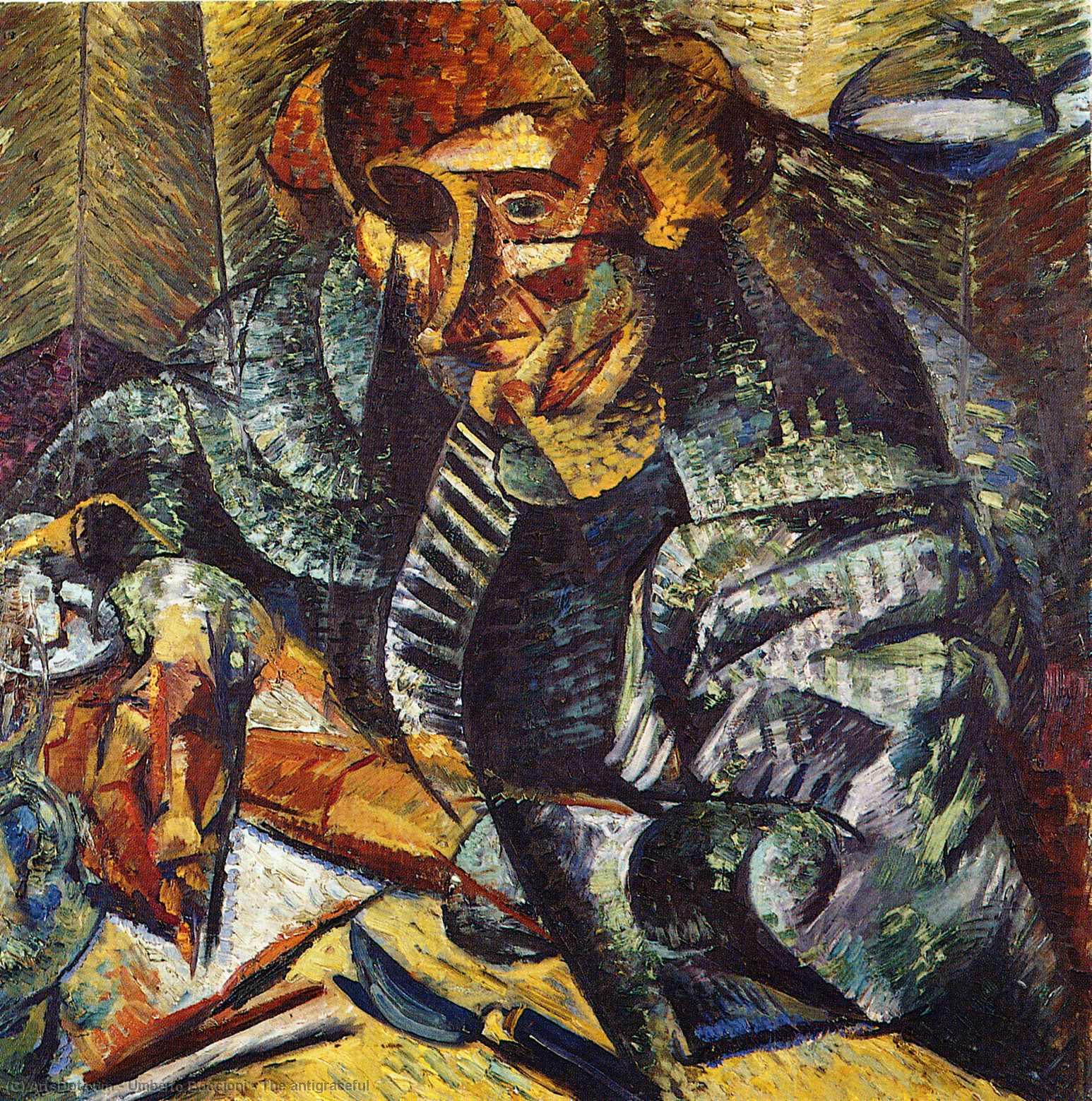
La antigraziosa
 Acrilico su tela
- Opere da parete
- Cubismo
 1912
1912- Modern
 80.0 x 80.0 cm
 Leggi tutto
Acquista un'immagine digitale ad alta risoluzione e ottimizzata, di qualità nettamente superiore all'anteprima online.
Ogni file è meticolosamente preparato dai nostri specialisti interni attraverso l'uso di strumenti avanzati e un sapiente ritocco manuale. Garantiamo che ogni immagine presenti una chiarezza eccezionale, una precisione cromatica impeccabile e dettagli raffinati.
Il file finale viene consegnato via e-mail entro 72 ore, ottimizzato per un uso immediato in contesti professionali, editoriali e di stampa. Si tratta della stessa qualità affidata ai più prestigiosi studi di design, editori e gallerie d'arte.
Immagine Digitale
Scarica un file ad alta risoluzione per uso personale, per la stampa e per progetti creativi. ( Passa alle stampe Ordina la riproduzione dipinta a mano)
Incluso in ogni acquisto di immagini digitali
Consegna digitale professionale e garantita
Quando scegli OriginalUniqueArt.com, non riceverai solo un'immagine: riceverai un'opera d'arte digitale professionalmente ottimizzata, realizzata con la massima precisione e accompagnata da una garanzia di soddisfazione. Ecco tutto ciò che include il tuo ordine, automaticamente:

Consegna rapida via email
Riceverai il file dell'immagine digitale ad alta risoluzione via email entro 72 ore dall'ordine, pronto per un uso immediato.

File digitale potenziato dall'IA
La tua opera d'arte viene ottimizzata professionalmente attraverso l'uso di strumenti avanzati di intelligenza artificiale e una revisione manuale, garantendo il massimo livello di dettaglio, nitidezza e accuratezza cromatica.

Riconsegna gratuita a vita
Hai eliminato o perso accidentalmente il tuo file? Non preoccuparti: te lo invieremo di nuovo in qualsiasi momento, gratuitamente.

Nessun costo di importazione, mai
Goditi la tua opera d'arte istantaneamente senza costi doganali, dazi o spese di spedizione: i download digitali sono sempre esenti da tasse.

Garanzia di fedeltà cromatica
Garantiamo che la tua immagine digitale rifletta i colori originali con la massima fedeltà, grazie all'uso di strumenti professionali e a una gestione accurata del colore.

Garanzia soddisfatti o rimborsati 100 giorni
Se non sei soddisfatto della tua immagine digitale, la revisioneremo o ti rimborseremo il 100% entro 100 giorni, senza domande.

Garanzia di rimborso al 100%
Non sei soddisfatto? Ricevi un rimborso completo entro 100 giorni dal ricevimento del tuo file digitale, senza dover fornire spiegazioni.

Sconti per ordini multipli
Acquista 3 immagini, risparmia il 10% - Acquista 5, risparmia il 15% - Acquista 10+, risparmia il 20%. Ideale per progetti creativi, gallerie e agenzie.
A Rejection of Grace: Unveiling Boccioni’s ‘Antigraceful’
Umberto Boccioni's 1912 work, *The antigraceful*, is not merely a portrait; it’s a manifesto rendered in paint. A defiant gesture against the established artistic conventions of its time, this piece embodies the core tenets of Futurism – a movement obsessed with dynamism, technology, and the rejection of the past. Rather than seeking to capture conventional beauty, Boccioni aimed to dissect and reconstruct form, presenting a vision that was deliberately unsettling yet profoundly modern. The painting depicts his mother, Cecilia Forlani, but it’s not a sentimental tribute; instead, it's an intellectual exploration of how perception itself can be fragmented and reassembled.
The Birth of a New Aesthetic
To understand *The antigraceful*, one must consider the artistic climate of early 20th-century Italy. Boccioni, alongside artists like Giacomo Balla and Carlo Carrà, felt stifled by the academic traditions that dominated the art world. They sought to break free from these constraints, embracing a new aesthetic inspired by the speed and energy of modern life – the automobile, the factory, the bustling city streets. This fascination with motion is subtly present even in this seemingly static portrait; the fractured planes and angular forms suggest an underlying sense of restlessness, as if Cecilia Forlani herself is caught within a whirlwind of change. The influence of Paul Cézanne and, notably, Pablo Picasso’s early Cubist experiments are visible here, but Boccioni wasn't simply imitating these artists. He was adapting their techniques to express the unique spirit of Italian Futurism – a desire not just to depict reality, but to *dynamize* it.
Deconstructing Form and Emotion
The technique employed in *The antigraceful* is crucial to its impact. Boccioni abandons traditional modeling and shading, opting instead for a fractured composition built from intersecting planes of color. This deliberate distortion isn’t arbitrary; it's intended to convey the subject’s inner life – her thoughts, emotions, and experiences – as a complex interplay of forces. The painting doesn’t offer a single, fixed perspective; rather, it presents multiple viewpoints simultaneously, challenging the viewer to actively participate in constructing meaning. The muted palette, dominated by earthy tones with subtle accents of blue and yellow, further enhances the sense of introspection and psychological depth. It's a far cry from the idealized portraits of previous generations, offering instead a raw and honest portrayal of human experience. The title itself – *Antigraceful* – is a deliberate provocation, signaling Boccioni’s rejection of conventional notions of beauty and harmony.
A Lasting Legacy
Though his life was tragically cut short by war in 1916, Umberto Boccioni left an indelible mark on the history of art. *The antigraceful* remains a powerful testament to his artistic vision – a bold declaration of independence from tradition and a pioneering exploration of new ways of seeing and representing the world. Today, this work continues to resonate with audiences, inspiring artists and captivating collectors alike. A reproduction of *The antigraceful* isn’t just an acquisition; it's an invitation to engage with a pivotal moment in art history – a moment when the very foundations of artistic expression were being challenged and redefined.
Artwork Information
Title: The antigraceful
Description:
A Rejection of Grace: Unveiling Boccioni’s ‘Antigraceful’
Umberto Boccioni's 1912 work, *The antigraceful*, is not merely a portrait; it’s a manifesto rendered in paint. A defiant gesture against the established artistic conventions of its time, this piece embodies the core tenets of Futurism – a movement obsessed with dynamism, technology, and the rejection of the past. Rather than seeking to capture conventional beauty, Boccioni aimed to dissect and reconstruct form, presenting a vision that was deliberately unsettling yet profoundly modern. The painting depicts his mother, Cecilia Forlani, but it’s not a sentimental tribute; instead, it's an intellectual exploration of how perception itself can be fragmented and reassembled.
The Birth of a New Aesthetic
To understand *The antigraceful*, one must consider the artistic climate of early 20th-century Italy. Boccioni, alongside artists like Giacomo Balla and Carlo Carrà, felt stifled by the academic traditions that dominated the art world. They sought to break free from these constraints, embracing a new aesthetic inspired by the speed and energy of modern life – the automobile, the factory, the bustling city streets. This fascination with motion is subtly present even in this seemingly static portrait; the fractured planes and angular forms suggest an underlying sense of restlessness, as if Cecilia Forlani herself is caught within a whirlwind of change. The influence of Paul Cézanne and, notably, Pablo Picasso’s early Cubist experiments are visible here, but Boccioni wasn't simply imitating these artists. He was adapting their techniques to express the unique spirit of Italian Futurism – a desire not just to depict reality, but to *dynamize* it.
Deconstructing Form and Emotion
The technique employed in *The antigraceful* is crucial to its impact. Boccioni abandons traditional modeling and shading, opting instead for a fractured composition built from intersecting planes of color. This deliberate distortion isn’t arbitrary; it's intended to convey the subject’s inner life – her thoughts, emotions, and experiences – as a complex interplay of forces. The painting doesn’t offer a single, fixed perspective; rather, it presents multiple viewpoints simultaneously, challenging the viewer to actively participate in constructing meaning. The muted palette, dominated by earthy tones with subtle accents of blue and yellow, further enhances the sense of introspection and psychological depth. It's a far cry from the idealized portraits of previous generations, offering instead a raw and honest portrayal of human experience.
A Lasting Legacy
Though his life was tragically cut short by war in 1916, Umberto Boccioni left an indelible mark on the history of art. *The antigraceful* remains a powerful testament to his artistic vision – a bold declaration of independence from tradition and a pioneering exploration of new ways of seeing and representing the world.
Size:
80 x 80 cm
Date:
1912
Biografia dell'artista
giovinezza e formazione
umberto boccioni, un pittore e scultore italiano fondamentale, nacque il 19 ottobre 1882 a Reggio Calabria, in Italia. Il lavoro del padre nel governo portò a frequenti trasferte in tutta Italia, influenzando la giovinezza di Boccioni. A 15 anni si stabilì a Catania, in Sicilia, dove completò gli studi. In seguito si trasferì a Roma per studiare arte all' Accademia di Belle Arti di Roma’s scuola libera del nudo e sotto la guida di Giovanni Mataloni, un artista poster dello stile liberty.il movimento futurista
L'approccio innovativo di Boccioni alla forma e alla decostruzione della massa ha avuto un impatto significativo sul mondo dell’arte. È diventato il teorico principale del movimento futurista, firmando il Manifesto dei Pittori Futuristi nel 1910. Le sue opere sono esposte in molti musei d’arte pubblici, inclusa una retrospettiva al Metropolitan Museum of Art di New York City nel 1988.opere notevoli e eredità
- Dynamism of a Human Body (futurismo, olio su tela), un dipinto che mostra lo stile unico di Boccioni.
- Dimensional Shapes of a Horse (40 x 40 cm, futurismo, olio su tela), un altro esempio del suo approccio innovativo alla forma.
- Unique Forms of Continuity in Space (futurismo, bronzo), una scultura che dimostra la sua decostruzione della massa solida.
link pertinenti da OriginalUniqueArt.com
- dipinto di 'umberto boccioni' | umberto boccioni:dynamism of a human body (futurismo,olio su tela,)
- dipinto di 'umberto boccioni' | umberto boccioni:dimensional shapes of a horse (40 x 40 cm,futurismo,olio su tela,)
- dipinto di 'umberto boccioni' | umberto boccioni:lancers (futurismo,olio su tela,)
wikipedia: umberto boccioni
umberto boccioni, un influente pittore e scultore italiano. Ha contribuito a plasmare l'estetica rivoluzionaria del movimento futurista come uno dei suoi principali esponenti. nota: questo articolo è una traduzione dall’italiano, ma per finalità di analisi è stata tradotta nuovamente in inglese. La domanda originale era in italiano.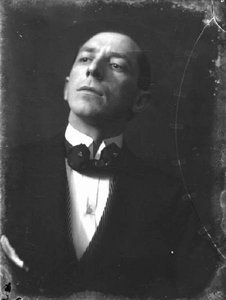
Umberto Boccioni
1882 - 1916 , Italia
In breve
- Artisti Influenti:
- Giovanni Mataloni
- Giacomo Balla
- Artisti Influenzati:
- Costruttivismo
- Espressionismo astratto
- Data Di Nascita: 19 ottobre 1882
- Luogo Di Nascita: Reggio Calabria, Italia
- Movimento Artistico: Futurismo
- Nazionalità: Italiana
- Nome Completo: Umberto Boccioni
- Opere Notevoli:
- Dinamismo di un corpo umano
- Forme Uniche della Continuità
- La città si alza
- Idolo Moderno