

 Anteprima in scala reale
 Invia
Invia Condividi
 Dettagli opera
 Guida
Guida

 Scarica
 Simili
 Radiografia
 Slideshow
 Q&A
Q&A Statistiche
Comic Picture


 Espandi i dettagli
Giclée / Stampe d'arte
Stampa giclée o su tela di qualità museale, con produzione rapida e diverse opzioni di finitura. ( Acquista il dipinto realizzato a mano Passa all'immagine digitale)




P118B €10

P118H €10

P118W €10

P438Z €10

P508JH €12

P508YH €12

P805H €10

P805Z €10

P919BZ €10

P919G €10

P919XJ €10

P959ZH €10

P968JZ €12

W106C €8

W218G €10

W218JH €8

W218Y €10

W307PJ €10

W316G €10

W316PJ €8

W316Y €10

W398PJ €8

W4111J €10

W500HY €15

W500JH €15

W692G €12

W849H €8

W940BG €15

W953PJ €8




Scegli tra le nostre dimensioni predefinite, che rispettano le proporzioni originali dell'opera d'arte.

Inserisci la larghezza e l'altezza desiderate, per adattarle alla tua cornice o alla tua parete. Una stampa può essere solo ritagliata, mai resa più grande dell'immagine originale; pertanto, un formato con una forma differente comporterà la perdita di una parte dell'opera. Ti invieremo un mockup digitale da approvare prima di procedere con la stampa. L'immagine mostrata in questa pagina non rappresenta il ritaglio reale — solo il mockup lo mostra.
Consegna in tutto il mondo () in 2 settimane invece delle normali 4/5 settimane. (29 Ottobre)

Spedizione espressa gratuita in tutto il mondo

Tela in lino di alta qualità

Assicurazione completa sulla spedizione

Garanzia di rimborso dei dazi doganali

Garanzia di fedeltà cromatica assoluta

Politica di reso entro 100 giorni (solo per difetti di fabbricazione)

Garanzia di rimborso al 100%

Offerta per acquisti multipli
 L'opzione vetro è disponibile solo per dimensioni inferiori a 110 cm

Comic Picture
Giclée / Stampe d'arte
Dimensioni riproduzione
-


Prezzo finale calcolato
€ 71
A Chronicle of Japanese Life: Tsukioka Yoshitoshi’s “Comic Picture”
Tsukioka Yoshitoshi's "Comic Picture" is not simply a collection of images; it’s a poignant and unsettling window into the final decades of Edo-period Japan, a nation grappling with profound change. This remarkable collage, assembled from multiple scenes attributed to the artist, offers a raw and unflinching portrayal of everyday life – often tinged with melancholy and a sense of impending doom. Yoshitoshi, born Owariya Yonejiro in 1839, was a pivotal figure in *ukiyo-e* art, pushing beyond the traditional depictions of beautiful women and heroic warriors to explore themes of mortality, social unrest, and the anxieties of a society on the brink.
- Subject Matter: The artwork presents a series of vignettes depicting scenes of human interaction – moments of conflict, humor, and quiet contemplation. These aren't idealized representations; instead, Yoshitoshi captures the rough edges of life with brutal honesty.
- Humorous Yet Haunting: While some scenes possess a distinctly humorous quality, particularly those involving playful disputes or comical gestures, an underlying current of sadness permeates the entire collection. This juxtaposition creates a powerful emotional resonance.
- Diverse Scenes: The collage encompasses at least thirteen distinct scenes, each meticulously rendered in Yoshitoshi’s signature style. These range from dramatic confrontations to intimate moments of social gathering, offering a multifaceted view of Japanese society.
The Master of Melancholy: Yoshitoshi's Artistic Vision
Yoshitoshi’s artistic genius lay in his ability to infuse *ukiyo-e* with a deeply psychological and emotional depth rarely seen before or after him. Trained under the esteemed Kuniyoshi, he inherited a mastery of woodblock printing techniques but quickly developed a unique style characterized by dramatic lighting, expressive faces, and a profound sense of atmosphere. His work reflects the turbulent era in which he lived – the decline of the shogunate, the rise of Western influence, and the growing social tensions that ultimately led to the Meiji Restoration. He frequently depicted scenes of samurai facing their demise, reflecting his own anxieties about the changing world.
- Technique: Executed in the traditional *ukiyo-e* style, the artwork utilizes meticulous carving and printing techniques, resulting in rich colors and sharp details. The artist’s masterful use of perspective and composition draws the viewer into each scene, heightening its emotional impact.
- Color Palette: Yoshitoshi favored a somber palette dominated by blues, browns, and grays, further emphasizing the melancholic mood of his work. Strategic use of vibrant accents – particularly in clothing or objects – serves to draw attention to key elements within each scene.
Symbolism and Historical Context
Each image within “Comic Picture” is laden with symbolic meaning, reflecting the anxieties and uncertainties of late Edo Japan. The depictions of violence, for example, are not merely scenes of conflict but metaphors for the broader social unrest that was sweeping across the nation. The presence of Western elements – clothing, objects, or even architectural details – subtly underscores the growing influence of foreign powers and the perceived threat to traditional Japanese culture. Yoshitoshi’s work can be seen as a visual lament for a vanishing world, a poignant reminder of the impermanence of life and the inevitability of change.
- Social Commentary: The scenes offer subtle critiques of social hierarchies, class divisions, and the moral decay that Yoshitoshi perceived within Japanese society.
- Precursor to Modern Art: Yoshitoshi’s willingness to confront difficult themes and his innovative use of light and shadow foreshadowed many developments in later modern art movements.
A Timeless Masterpiece – Perfect for Display
"Comic Picture" by Tsukioka Yoshitoshi is more than just a beautiful artwork; it’s a powerful historical document and a testament to the enduring power of artistic expression. A hand-painted reproduction offers an unparalleled opportunity to bring this iconic piece into your home or office, adding a touch of sophistication and intrigue to any space. Its evocative imagery and profound emotional depth will undoubtedly spark conversation and inspire contemplation for years to come.
Domande e risposte
"Comic Picture" di Tsukioka Yoshitoshi è un dipinto, un disegno o una stampa?
Nel catalogo, "Comic Picture" di Tsukioka Yoshitoshi è classificato come WallArt. La categoria permette di trovare opere simili.
Posso vedere "Comic Picture" di Tsukioka Yoshitoshi sulla mia parete prima dell'acquisto?
La pagina Anteprima in AR di "Comic Picture" di Tsukioka Yoshitoshi utilizza la realtà aumentata per visualizzare l'opera d'arte nel tuo spazio, tramite un dispositivo compatibile.
Quale stato d'animo esprime "Comic Picture" di Tsukioka Yoshitoshi all'interno di Ukiyo-e?
All'interno del movimento Ukiyo-e, "Comic Picture" si distingue per il suo tono Nostalgic.
Biografia dell'artista
Tsukioka Yoshitoshi: Una Vita in Stampe a Blocchi
Primi Anni e Formazione
- Nato il: 30 aprile 1839, nel quartiere di Shimbashi dell'antica Edo (Tokyo), Giappone come Owariya Yonejiro.
- Dimostrò un interesse precoce per l’arte e iniziò lezioni con suo zio a soli cinque anni.
- Apprendistato: Nel 1850, all'età di undici anni, divenne apprendista di Utagawa Kuniyoshi, un maestro delle stampe giapponesi a blocco. Ricevette il nome d’arte “Yoshitoshi” attraverso questo apprendistato.
- Suo padre era un ricco mercante che aveva raggiunto lo status di samurai.
Carriera Artistica e Sviluppo
- Prime Opere: La prima stampa di Yoshitoshi apparve nel 1853, ma la sua produzione rimase limitata fino alla morte di Kuniyoshi nel 1861.
- “Stampe Sanguinose”: Ottenne riconoscimento per stampe che raffiguravano violenza e morte grafiche, riflettendo i tempi turbolenti della transizione del Giappone. Queste furono ispirate dalla perdita personale e dall’agitazione sociale.
- Serie e Temi: Opere pubblicate in serie come Tsūzoku saiyūki (“Un Viaggio Moderno verso Occidente”) e Wakan hyaku monogatari (“Centorie di Storie dalla Cina e dal Giappone”). Il suo lavoro presentava spesso scene storiche, attori Kabuki e soggetti mitologici.
- Innovazione: Yoshitoshi ha combinato l'estetica giapponese tradizionale con influenze occidentali nella composizione e nella prospettiva.
Opere Notabili
- Tokugawa Iemitsu riceve signori in udienza: Una stampa a blocco notevole conservata al Los Angeles County Museum of Art.
- Guerriero (Generale Yamanaka Shikanasake): Dimostra la sua abilità nel rappresentare l'azione e il carattere dinamici.
- Serie Musha-e: La sua serie di stampe guerriere, nota come Musha Burui, è particolarmente celebrata per la sua intensità drammatica.
Influenze e Eredità
- Influenzato da: Principalmente Utagawa Kuniyoshi, da cui apprese il disegno e la composizione. Influenzato anche dalle tecniche artistiche occidentali introdotte attraverso la collezione di Kuniyoshi.
- Influenza su: Sebbene la sua influenza diretta sia dibattuta, lo stile innovativo di Yoshitoshi ha aperto la strada alle future generazioni di artisti giapponesi.
- Significato Storico: È considerato l’ultimo grande maestro dell'Ukiyo-e, preservando e elevando l'arte durante un periodo di rapida modernizzazione in Giappone. Il suo lavoro cattura un momento cruciale nella storia giapponese.
- Una Lotta Contro il Tempo: Yoshitoshi lavorò instancabilmente per mantenere le tecniche tradizionali di stampa a blocco mentre il Giappone abbracciava metodi occidentali come la fotografia e la litografia.
Gli Ultimi Anni e la Morte
- Yoshitoshi continuò a produrre arte fino alla sua morte il 9 giugno 1892.
- Reputazione Duratura: Il suo coraggio e la sua visione artistica hanno assicurato la sopravvivenza dell'Ukiyo-e per un'altra generazione. Oggi è riconosciuto come uno dei più grandi artisti del Giappone.
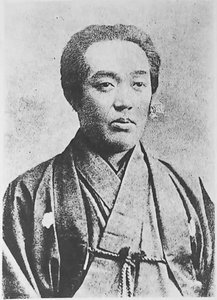
Tsukioka Yoshitoshi
1839 - 1892 , Giappone
Dettagli rapidi
- Artisti Influenti: ['Utagawa Kuniyoshi']
- Artisti Influenzati: ['Futuri artisti giapponesi']
- Data Di Morte: 9 giugno 1892
- Data Di Nascita: 30 aprile 1839
- Luogo Di Nascita: Tokyo, Giappone
- Movimento Artistico: Ukiyo-e
- Nazionalità: Giapponese
- Nome Completo: Tsukioka Yoshitoshi
- Opere Notevoli:
- Tokugawa Iemitsu in udienza
- Guerriero (Yamanaka Shikanasake)
- Serie Musha Burui
Articoli correlati

Katsushika Hokusai: Le 25 Opere Più Iconiche per Amare l'Arte Giapponese
Esplora le 25 opere più iconiche di Katsushika Hokusai, maestro dell'ukiyo-e. Scopri la storia dietro 'La Grande Onda', il Monte Fuji e altre stampe giapponesi senza tempo. Trova riproduzioni d'arte di alta qualità per decorare la tua casa su OriginalUniqueArt.com.
Masterpieces of Japan: A Definitive Guide to Ukiyo-e and the Art of the Floating World
Explore the profound beauty of Japanese Ukiyo-e. From Hokusai's iconic waves to the elegance of the Edo period, discover the history and masters behind the 'Floating World' in this expert art-history guide for collectors and enthusiasts.
Ukiyo-e: Exploring Japan's Floating World & Enduring Artistic Legacy
Explore the captivating world of Ukiyo-e – Japan's iconic woodblock prints! Discover masters like Hokusai & Hiroshige, learn about Edo period culture, and find expert art collecting guidance at OriginalUniqueArt.

Floating Worlds: A Definitive Guide to the Mastery and Philosophy of Japanese Ukiyo-e Woodblock Prints
Explore the profound beauty of Ukiyo-e. Discover the history, philosophy, and legendary masters of Japanese woodblock prints, from Hokusai to Kuniyoshi, in this expert guide to the 'Floating World'.
Tsukioka Yoshitoshi: L'Ultimo Bagliore dell'Ukiyo-e – Narrazione, Innovazione e la Transizione Meiji
Esplora la vita e l'opera di Tsukioka Yoshitoshi, l'ultimo grande maestro dell'Ukiyo-e. Scopri le sue innovazioni stilistiche, il contesto storico del Rinnovamento Meiji e l'eredità duratura di questo artista giapponese.


