

 Invia
Invia Condividi
 Dettagli opera

 Scarica immagine
 Simili
 Slideshow
Spyrogyra
 Sculpture Bronze
- Contemporary Realism
 1992
1992 220.0 x 210.0 cm
 Galleria d'Arte del NSW
 Espandi i dettagli
Giclée / Stampe d'arte
Stampa giclée o su tela di qualità museale, con produzione rapida e diverse opzioni di finitura. ( Acquista il dipinto realizzato a mano Acquista immagine)




































Scegli tra le nostre dimensioni predefinite, che rispettano le proporzioni originali dell'opera d'arte.

È possibile inserire dimensioni personalizzate per adattare l'opera a una cornice o a uno spazio specifico. Se la dimensione selezionata non corrisponde alle proporzioni dell'immagine originale, procederemo al ritaglio dell'opera o all'estensione dell'immagine con un bordo specchiato o a tinta unita. Un mockup digitale ti verrà inviato per approvazione prima dell'inizio della produzione.
Si prega di notare che l'anteprima a schermo non riflette il ritaglio o l'estensione effettivi. Solo il mockup mostrerà accuratamente la composizione finale.
Sebbene siano disponibili dimensioni personalizzate, si raccomanda di selezionare una dimensione dall'elenco predefinito per preservare le proporzioni originali.
Consegna in tutto il mondo () in 2 settimane invece delle normali 4/5 settimane. (28 Agosto)

Spedizione espressa gratuita in tutto il mondo

Tela in lino di alta qualità

Assicurazione completa sulla spedizione

Garanzia di rimborso dei dazi doganali

Garanzia di fedeltà cromatica

Politica di reso entro 60 giorni (solo per difetti di fabbricazione)

Garanzia di rimborso al 100%

Offerta per acquisti multipli
 L'opzione vetro è disponibile solo per dimensioni inferiori a 110 cm

Spyrogyra
Giclée / Stampe d'arte
Dimensioni riproduzione
-


Prezzo totale calcolato
$ 80
Tony Cragg’s Spyrogyra: A Spiral Dance Between Form and Function
Tony Cragg's "Spyrogyra," created in 1992, stands as a cornerstone of British sculpture from the early 1990s—a testament to his unwavering commitment to exploring innovative materials and challenging conventional sculptural aesthetics. Unlike many artists of his time who sought to emulate established styles, Cragg deliberately rejected stylistic constraints, prioritizing instead a conceptual framework rooted in scientific observation and a fascination with natural processes.
The sculpture’s genesis lies in the artist's deliberate scavenging of discarded objects—primarily colored plastic fragments gleaned from the Thames embankment. These unassuming materials were transformed into an arresting spiral structure composed of glass bottles meticulously arranged to create a visually dynamic composition. Measuring 220 x 210 cm, “Spyrogyra” immediately confronts viewers with its monumental scale and unconventional materiality.
- Material Exploration: Cragg’s masterful manipulation of plastic fragments exemplifies his pioneering approach to assemblage—a movement that championed repurposing industrial waste as artistic medium. The choice of glass bottles wasn't merely pragmatic; it served as a deliberate reference to the DNA helix, symbolizing interconnectedness and organic growth.
- Geometric Abstraction: Despite its seemingly random arrangement, “Spyrogyra” adheres to a rigorously defined system—a characteristic born from Cragg’s formative education in British art schools where logical processes reigned supreme. This structured approach contrasts sharply with the prevailing trend of stylistic imitation and underscores Cragg's belief that form should derive inspiration from underlying principles.
- Conceptual Dialogue: The sculpture engages directly with the legacy of conceptual art, specifically Duchamp’s “Egouttoir” (bottle rack), 1914—a seminal work that questioned the very notion of artistic taste and elevated commonplace objects to the realm of high art. Cragg's piece echoes this provocative gesture, prompting contemplation on the role of materiality within artistic expression.
Beyond its formal considerations, “Spyrogyra” possesses a palpable emotional resonance—a quiet grandeur that invites viewers to consider the beauty inherent in unexpected combinations and the transformative potential of repurposing discarded materials. It embodies Cragg’s conviction that art can communicate profound ideas without resorting to overt ornamentation or stylistic convention.
The artwork is credited to Mervyn Horton Bequest Fund 1997 and resides at The Art Gallery of New South Wales, Sydney. Accession number 292.1997 © Anthony Cragg.
Biografia dell'artista
Sir Anthony Cragg: Sculptor of Fragmented Forms
Tony Cragg (born Liverpool, April 9, 1949) stands as a pivotal figure in British contemporary sculpture, recognized for his groundbreaking approach to material and form—a deliberate dismantling of traditional sculptural conventions. His artistic journey began with formative experiences at Gloucestershire College of Arts and Technology and Wimbledon School of Art, establishing him as a skilled painter before he turned his attention to the transformative potential of three-dimensional art. Crucially, Cragg’s relocation to Germany in 1977 marked a significant turning point, fostering collaborations with influential artists and propelling him into the international spotlight. His early work established him as an innovator within the burgeoning assemblage movement. Initially captivated by discarded materials—stacked chairs, tables, and boxes—he skillfully manipulated these fragments to create striking reliefs that explored geometric abstraction and vibrant color palettes. Pieces like “Stack” (1975) demonstrated his mastery of spatial arrangement and his ability to imbue seemingly mundane objects with artistic resonance. This meticulous process mirrored a broader philosophical stance: Cragg sought to distill visual language into its purest essence, rejecting representational imagery in favor of forms that spoke directly to the viewer’s perception—a conscious rejection of illusionism and an embrace of materiality as primary expressive elements. The mid-1970s through early 1980s witnessed Cragg's exploration of monumental installations utilizing primary structures alongside colorful reliefs on gallery walls. This stylistic fusion—evident in works such as “Red Indian” (1982–3)—further solidified his reputation for challenging artistic boundaries and engaging with architectural spaces. He meticulously constructed these sculptures by systematically arranging individual fragments, prioritizing their artificial hues and textural profiles to generate larger images that simultaneously referenced natural forms and geometric abstraction. This technique became a hallmark of Cragg’s oeuvre, reflecting his fascination with the interplay between organic and inorganic elements—a deliberate provocation against conventional sculptural aesthetics. The resulting artworks were not merely objects but immersive experiences designed to disrupt viewers' expectations and stimulate contemplation about the relationship between art and environment. A landmark achievement arrived in 1981 with “Britain Seen From The North,” an ambitious wall-mounted relief crafted from multicolored scraps of various materials. Executed during the height of Thatcherism’s influence on British society—particularly in Northern England—the piece served as a potent commentary on socio-economic anxieties and offered a nuanced perspective on national identity. Cragg's deliberate positioning of a figure gazing outwards from the sculpture’s surface symbolized an outsider’s gaze upon his homeland, prompting viewers to contemplate the complexities of contemporary experience. This work cemented Cragg's position as a socially conscious artist who utilized sculptural form to convey profound ideas about place and perception—a testament to his ability to transform everyday materials into vehicles for intellectual and emotional engagement. Throughout the 1980s, Cragg transitioned away from installation art toward more focused explorations of individual objects—a deliberate shift that underscored his commitment to precision and materiality. His subsequent projects continued to champion innovative techniques and conceptual rigor, cementing his legacy as one of Britain’s foremost sculptors. Today, Cragg's enduring influence can be seen in the work of countless artists globally, demonstrating the lasting impact of his pioneering vision for sculptural art—a vision rooted in a belief that sculpture could serve as both an aesthetic statement and a catalyst for social dialogue.
Tony Cragg
1949 - , Regno Unito
Dati rapidi
- Artistic Movement Or Style: Assemblaggio
- Artists Who Influenced This Artist:
- Robert Irwin
- Donald Judd
- Date Of Birth: 1949
- Date Of Death: Living
- Full Name: Tony Cragg
- Nationality: Britannico
- Notable Artworks:
- Stack
- Red Indian
- Place Of Birth: Liverpool, UK
Articoli correlati

I 10 Capolavori Bronzei che Hanno Rivoluzionato la Storia dell'Arte | OriginalUniqueArt
Esplora i 10 capolavori bronzei che hanno segnato la storia dell'arte! Da Rodin a Michelangelo, scopri le storie e le tecniche dietro queste sculture iconiche. Trova riproduzioni d'arte di alta qualità per decorare la tua casa con OriginalUniqueArt.com.

The Enduring Form: Exploring Themes & Techniques in Sculpture Across Historical Periods
Explore the rich history of sculpture from ancient masterpieces to contemporary innovations. Discover key techniques, influential artists & investment potential for discerning art collectors.

The Enduring Form: Sculpture Across History, Technique & Emotional Resonance
Explore the rich history of sculpture with OriginalUniqueArt. Discover key techniques, influential artists & investment potential for discerning collectors. Expert insights into valuing and collecting timeless masterpieces.

I 10 Capolavori in Bronzo che Hanno Rivoluzionato la Storia dell'Arte | OriginalUniqueArt
Esplora i 10 capolavori in bronzo che hanno segnato la storia dell'arte! Da Michelangelo a Rodin, scopri le storie e le tecniche dietro queste statue iconiche. Trova riproduzioni artistiche di alta qualità per decorare casa tua con OriginalUniqueArt.com.
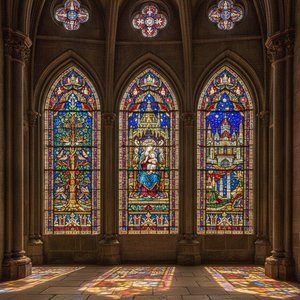
Luminous Masterpieces: The Captivating Beauty and Timeless Elegance of Stained Glass Artworks
Embark on a visual journey through the luminous world of stained glass art. Discover the exquisite craftsmanship, historical significance, and captivating beauty of masterworks from Art Nouveau to the Gothic era, curated for the discerning fine art enthusiast.


