 Anteprima in scala reale
 Condividi
 Condividi
 Dettagli

 Scarica immagine
 Articoli simili
 Radiografia
 Slideshow
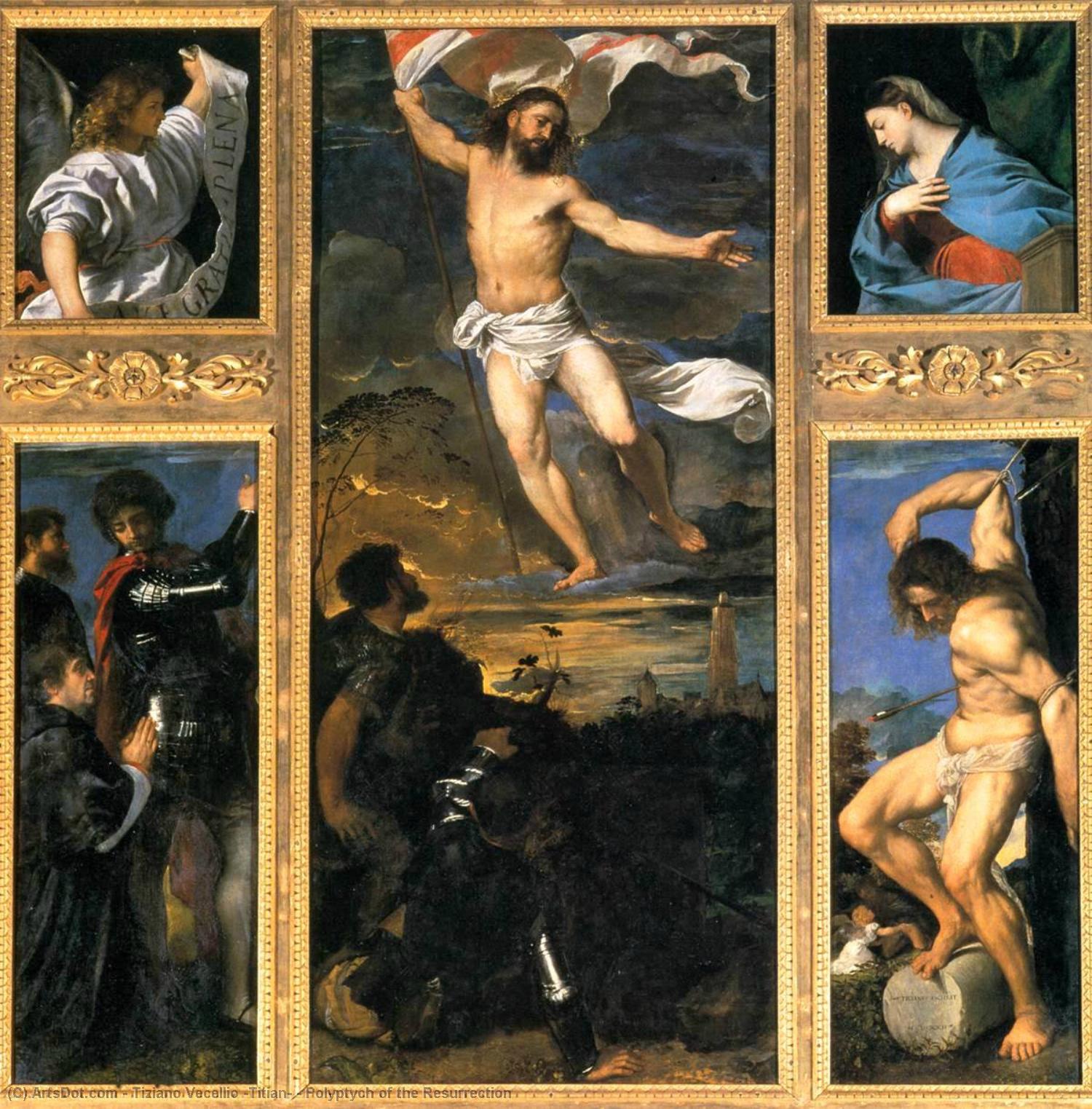
Polyptych of the Resurrection
 Olio su tela
- Arte da parete
- High Renaissance
 1520
1520 278.0 x 122.0 cm
 Santi Nazaro e Celso
 Leggi tutto
Giclée / Stampe d'arte
Stampa giclée o su tela di qualità museale, con produzione rapida e diverse opzioni di finitura. ( Ordina la riproduzione dipinta a mano Acquista download)




P118B $10

P118H $10

P118W $10

P438Z $10

P508JH $12

P508YH $12

P805H $10

P805Z $10

P919BZ $10

P919G $10

P919XJ $10

P959ZH $10

P968JZ $12

W106C $8

W218G $10

W218JH $8

W218Y $10

W307PJ $10

W316G $10

W316PJ $8

W316Y $10

W398PJ $8

W4111J $10

W500HY $15

W500JH $15

W692G $12

W849H $8

W940BG $15

W953PJ $8




Scegli tra le nostre dimensioni predefinite, che rispettano le proporzioni originali dell'opera d'arte.

È possibile inserire dimensioni personalizzate per adattare l'opera a una cornice o a uno spazio specifico. Se la dimensione selezionata non corrisponde alle proporzioni dell'immagine originale, procederemo al ritaglio dell'opera o all'estensione dell'immagine con un bordo specchiato o a tinta unita. Un mockup digitale ti verrà inviato per approvazione prima dell'inizio della produzione.
Si prega di notare che l'anteprima a schermo non riflette il ritaglio o l'estensione effettivi. Solo il mockup mostrerà accuratamente la composizione finale.
Sebbene siano disponibili dimensioni personalizzate, si raccomanda di selezionare una dimensione dall'elenco predefinito per preservare le proporzioni originali.
Consegna in tutto il mondo () in 2 settimane invece delle normali 4/5 settimane. (19 Agosto)

Spedizione espressa gratuita in tutto il mondo

Tela in lino di alta qualità

Assicurazione completa sulla spedizione

Garanzia di rimborso dei dazi doganali

Garanzia di fedeltà cromatica dell'originale

Politica di reso entro 60 giorni (solo per difetti di fabbricazione)

Garanzia di rimborso al 100%

Sconto per acquisti multipli
 L'opzione vetro è disponibile solo per dimensioni inferiori a 110 cm

Polyptych of the Resurrection
Giclée / Stampe d'arte
Dimensioni della riproduzione
-


Prezzo totale
$ 80
Descrizione del pezzo
The Polyptych of the Resurrection: A Titan’s Vision of Faith
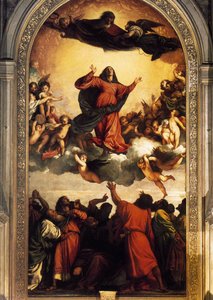
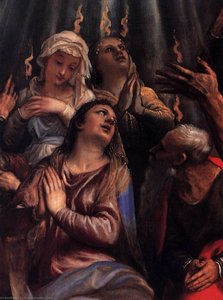
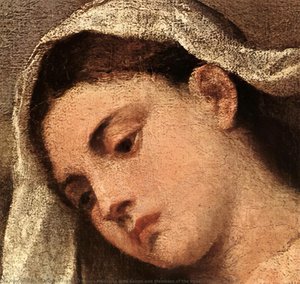
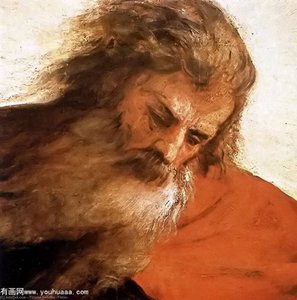
Tiziano Vecellio, universally known as Titian, wasn't merely a painter; he was an architect of color, a sculptor of light, and arguably the most influential artist of his era. Born around 1490 in Pieve di Cadore, nestled within the majestic Dolomite mountains of Northern Italy, his life unfolded against the backdrop of Venice’s golden age—a period defined by unparalleled artistic innovation and mercantile prosperity. While biographical details remain somewhat elusive, the legacy of Titian is undeniable: he elevated oil painting to new heights of expressive power and cemented his place as one of the undisputed masters of High Renaissance art. His formative years were shaped by a privileged upbringing orchestrated by his father, Gregorio Vecellio—a military officer who recognized his son’s extraordinary talent early on. Recognizing this potential, Gregorio ensured that young Tiziano and Francesco received an exceptional artistic education under the tutelage of Giovanni Bellini, Venice's foremost painter, establishing a connection with Venetian artistic tradition that would profoundly influence Titian’s entire oeuvre. This apprenticeship instilled in him not only technical proficiency but also a deep appreciation for humanist ideals—a cornerstone of Renaissance thought—which permeated his artistic vision. ### Artistic Context and Venetian Influence The Venetian Republic flourished during the 16th century as a dominant maritime power, fostering an environment brimming with creativity and patronage. Artists like Titian thrived under the protection of wealthy families such as Dorsoduro and Grimani, who commissioned ambitious projects that showcased their prestige and solidified Venice’s reputation as Europe's artistic capital. This vibrant cultural landscape encouraged experimentation and challenged established conventions—a spirit perfectly embodied in Titian’s groundbreaking approach to color and composition. Unlike his predecessors who often adhered to strict stylistic formulas, Titian boldly embraced innovation, pushing the boundaries of what was considered possible within oil painting. ### Composition and Symbolism: Layers of Meaning The Polyptych of the Resurrection, completed in 1520-1522, exemplifies Titian’s masterful command of artistic principles. Measuring an impressive 278 x 122 cm and housed in the Santi Nazaro e Celso museum in Brescia, Italy, this monumental painting is a complex tapestry woven with multiple narratives—the crucifixion, burial, and triumphant resurrection of Jesus Christ. The artist skillfully employs pyramidal composition to create stability and grandeur, guiding the viewer’s gaze across the scene and emphasizing key figures. Furthermore, Titian's masterful use of chiaroscuro – dramatic contrasts between light and dark – imbues the artwork with palpable emotion and reinforces its spiritual significance. Notable symbols permeate the painting’s imagery. The central panel depicts Jesus being lifted from his tomb by angels—a powerful depiction of divine intervention and resurrection faith. Simultaneously, a man holding aloft a banner bearing the Latin inscription “Et Verbum Caro Factum Est” (“And Word Became Flesh”) underscores the incarnation of Christ—a pivotal moment in Christian theology. The inclusion of mourners dressed in opulent attire serves as a reminder of humanity’s sorrow and humility before God's majesty. ### Technique and Color: A Revolution in Painting Titian revolutionized oil painting technique through his pioneering use of glazing – applying thin layers of translucent pigment over previous coats—resulting in unparalleled luminosity and depth of color. His palette was extraordinarily rich, incorporating hues derived from pigments imported from the East—a testament to Venetian trade connections and artistic ambition. The face of Jesus is rendered with subtle touches of white, demonstrating Titian’s meticulous attention to detail and his ability to capture nuanced expressions. This masterful technique ensures that every brushstroke contributes to the overall impact of the artwork, conveying both visual beauty and profound spiritual contemplation. ### Conclusion: An Enduring Legacy The Polyptych of the Resurrection stands as a pinnacle of Renaissance art—a testament to Titian’s genius and his unwavering commitment to artistic excellence. More than just a depiction of biblical events, it is an exploration of faith, sorrow, and divine triumph—themes that continue to resonate with audiences centuries later. For those seeking to immerse themselves in the splendor of Venetian High Renaissance painting or desiring a stunning reproduction of this iconic masterpiece, explore the Santi Nazaro e Celso museum or visit OriginalUniqueArt for exceptional quality reproductions.Biografia dell'artista
Tiziano Vecellio: The Venetian Titan
Tiziano Vecellio, universally known as Titian, stands as a monumental figure of the Italian Renaissance—perhaps its most celebrated colorist and a master who redefined the possibilities of oil painting. Born around 1490 in Pieve di Cadore, nestled amidst the dramatic landscapes of the Venetian Alps, his journey from humble beginnings to international acclaim is a testament to prodigious talent and an unwavering dedication to artistic innovation. The exact date of Titian’s birth remains elusive, debated by scholars, but contemporary sources and his early stylistic development suggest that he emerged into the world sometime between 1488 and 1490.
His father, Gregorio Vecellio, was a military man—a profession that instilled in young Tiziano a disciplined spirit and an appreciation for observation. Lucia, his mother, nurtured him with a love of beauty and fostered his artistic inclinations. Recognizing their sons’ potential, the family arranged for Tiziano and Francesco to apprentice under Sebastiano Zuccato, a renowned mosaicist—a decision that would irrevocably steer them toward a path of artistic excellence.
Venice at the turn of the 16th century was a vibrant hub of commerce, culture, and artistic ferment. Titian’s initial training took place within the workshop of Giovanni Bellini—the most influential painter in Venice at the time—where he absorbed the stylistic precepts of his elder mentor. This formative experience instilled in him a profound understanding of Venetian painting traditions and established the foundation for his own distinctive style.
A Meeting with Giorgione: The Seeds of Innovation
However, it was through contact with Giorgione—a fellow Venetian painter whose work possessed an ethereal poetic quality—that Titian truly embarked on his artistic odyssey. The two artists collaborated on several ambitious projects, including the decoration of the exterior walls of the Fondaco dei Tedeschi—a bustling trading post for German merchants—and their partnership cemented a bond that would shape the trajectory of Venetian art.
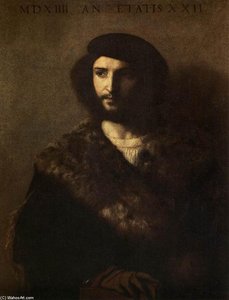
Giorgione’s influence is palpable in Titian’s early canvases—characterized by hazy atmospheric effects, muted colors, and an emphasis on capturing mood rather than precise detail. Paintings like *A Man with a Quilted Sleeve* exemplify this stylistic approach, demonstrating Titian’s burgeoning talent for portraiture while simultaneously reflecting Giorgione’s pioneering exploration of perceptual illusion.
From Pastel Dreams to Bold Luminosity
As Titian matured, he gradually distanced himself from Giorgione’s delicate aesthetic and embraced a bolder, more dramatic style—one marked by vibrant hues, expressive brushstrokes, and an unwavering commitment to conveying emotion. *The Visitation of Mary and Elizabeth*, now housed in the Accademia di Venezia, exemplifies this stylistic shift, showcasing Titian’s mastery of composition and color to create a scene brimming with psychological depth.
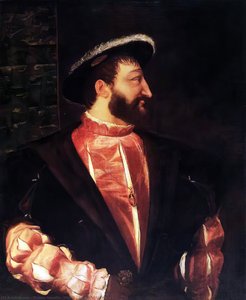
Throughout his prolific career, Titian consistently pushed the boundaries of artistic convention—experimenting with innovative techniques and exploring diverse subjects ranging from mythological narratives to religious iconography. His portraits became renowned for their uncanny realism—capturing not only physical likeness but also subtle nuances of character and emotion—establishing him as one of the foremost portraitists of his era.
A Legacy Illuminated
Titian’s artistic legacy extends far beyond his lifetime, profoundly influencing generations of painters who followed in his footsteps. His pioneering use of color—particularly his masterful manipulation of tonal harmonies—established a new paradigm for oil painting and inspired artists across Europe to embrace luminous palettes and expressive brushwork.
From Rubens to Rembrandt to Delacroix, Titian’s influence permeated the artistic landscape of the Baroque period and beyond. His paintings continue to captivate audiences today with their breathtaking beauty—a testament to his unparalleled skill as a colorist and a painter—solidifying his place among the titans of Western art history.

Tiziano Vecellio
1490 - 1576 , Italia
Informazioni rapide
- Artistic Movement Or Style: Venetian painting
- Artists Who Influenced This Artist:
- Giovanni Bellini
- Giorgione
- Date Of Birth: c. 1490
- Date Of Death: 1576
- Full Name: Tiziano Vecellio
- Nationality: Italian
- Notable Artworks:
- A Man with a Quilted Sleeve
- The Visitation
- Bearded Young Man
- Place Of Birth: Pieve di Cadore, Italia
Articoli correlati
Tiziano Vecellio: Innovazione, Tecnica e la Tradizione del Ritratto Rinascimentale Veneziano
Esplora l'innovazione e la tecnica di Tiziano Vecellio, maestro del Rinascimento veneziano. Approfondimenti sulla ritrattistica, il colore e l'eredità artistica che influenzò secoli di pittura.

The Golden Light of Innovation: Exploring the Venetian Renaissance Art Movement (1430–1580)
Explore the Golden Age of Venetian art (1430–1580). Discover Giorgione, Titian & Tintoretto's techniques, the 'colorito' revolution, and lasting influence. Expert insights for collectors & enthusiasts.

The Enduring Power of Painting: A Historical & Contemporary Exploration of Form and Emotion
Explore the rich history & enduring techniques of oil painting with OriginalUniqueArt. Discover masterpieces, learn about art collecting, and find authentic handmade reproductions crafted by skilled artists.

The Enduring Legacy of Oil on Canvas: Technique, History & Aesthetic Impact
Explore the rich history & techniques of oil painting – from Renaissance masters to Impressionism. Discover pigments, layering methods, and why this timeless medium endures. Expert insights for artists & art enthusiasts.

Mastering Color and Light: The Timeless Brilliance of Titian's Venetian Masterpieces
Explore the luminous mastery of Titian. Discover how the Venetian master revolutionized color and light through breathtaking Renaissance techniques, from Venus Anadyomene to profound allegories, and learn to bring this timeless brilliance into your private collection.