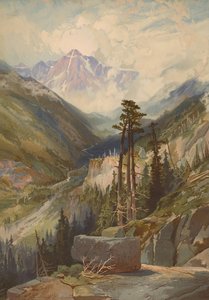
Anteprima in scala reale
 Condividi
 Condividi
 Dettagli
 Guida stampabile

 Scarica
 Articoli simili
 Radiografia
 Slideshow
 Statistiche
Grand Canyon


 Leggi tutto
Giclée / Stampe d'arte
Stampa giclée o su tela di qualità museale, con produzione rapida e diverse opzioni di finitura. ( Ordina la riproduzione dipinta a mano Passa all'immagine digitale)




P118B €10

P118H €10

P118W €10

P438Z €10

P508JH €12

P508YH €12

P805H €10

P805Z €10

P919BZ €10

P919G €10

P919XJ €10

P959ZH €10

P968JZ €12

W106C €8

W218G €10

W218JH €8

W218Y €10

W307PJ €10

W316G €10

W316PJ €8

W316Y €10

W398PJ €8

W4111J €10

W500HY €15

W500JH €15

W692G €12

W849H €8

W940BG €15

W953PJ €8




Scegli tra le nostre dimensioni predefinite, che rispettano le proporzioni originali dell'opera d'arte.

Inserisci la larghezza e l'altezza desiderate, per adattarle alla tua cornice o alla tua parete. Una stampa può essere solo ritagliata, mai resa più grande dell'immagine originale; pertanto, un formato con una forma differente comporterà la perdita di una parte dell'opera. Ti invieremo un mockup digitale da approvare prima di procedere con la stampa. L'immagine mostrata in questa pagina non rappresenta il ritaglio reale — solo il mockup lo mostra.
Consegna in tutto il mondo () in 2 settimane invece delle normali 4/5 settimane. (22 Ottobre)

Spedizione espressa gratuita in tutto il mondo

Tela in lino di alta qualità

Assicurazione completa sulla spedizione

Garanzia di rimborso dei dazi doganali

Garanzia di perfetta fedeltà cromatica

Politica di reso entro 100 giorni (solo per difetti di fabbricazione)

Garanzia di rimborso al 100%

Sconto per acquisti multipli
 L'opzione vetro è disponibile solo per dimensioni inferiori a 110 cm

Grand Canyon
Giclée / Stampe d'arte
Dimensioni della riproduzione
-


Prezzo totale
€ 70
A Symphony in Stone and Sky
To gaze upon Thomas Moran’s 1912 masterpiece, Grand Canyon, is to step into the very heart of the American Romantic spirit. This is not merely a geological record of one of Earth's most profound chasms; it is an evocative embodiment of the sublime, designed to stir the deepest recesses of the human soul. As a prominent figure of the Hudson River School, Moran possessed a rare ability to translate the untamed wilderness into a visual language of awe and reverence. In this oil on canvas, the artist transcends simple representation, striving instead to capture the ephemeral essence of light, atmosphere, and the overwhelming majesty of the American West.
The painting serves as a breathtaking window into a landscape where the earth meets the heavens in a dramatic embrace. Through a masterful use of diagonal perspective, Moran draws the viewer’s eye upward, navigating through textured foreground rocks and lush foliage toward the dizzying heights of the canyon walls. This compositional choice is deeply intentional, reinforcing a sense of human insignificance when confronted with such monumental natural power. The interplay of light and shadow creates a palpable sense of depth, as if one could reach out and feel the cooling mist rising from the depths or the warmth of the sun breaking through a turbulent sky.
The Mastery of Light and Color
Moran’s technical prowess is most evident in his exquisite handling of color and light, a hallmark of his reputation as an unparalleled colorist. He employs a sophisticated technique of layering thin glazes of oil paint, a method that allows light to penetrate the surface and glow from within, creating a luminous, ethereal effect. The palette is a study in contrasts: warm, radiant yellows and fiery oranges illuminate the canyon's edges where sunlight pierces the clouds, while cooler blues, deep grays, and muted violets dominate the distant, receding peaks. This atmospheric perspective does more than create distance; it evokes the very breath of the continent.
The brushwork further enhances this sensory experience. While the foreground features textured, vigorous strokes that ground the viewer in the rugged reality of the terrain, the background transitions into smoother, softer applications that suggest the hazy, moisture-laden air of a storm passing over the mountains. This meticulous attention to detail—from the jagged edges of ancient stone to the soft, billowing clouds—ensures that the painting remains a visceral experience, inviting the observer to participate in the drama of the landscape.
A Timeless Legacy for the Discerning Collector
For the art lover, the collector, or the interior designer, a high-quality reproduction of this work offers more than mere decoration; it provides an emotional anchor for a space. The Grand Canyon by Thomas Moran carries with it a sense of historical grandeur and a profound connection to the American identity. Its scale and dramatic movement make it a commanding centerpiece, capable of transforming a room into a sanctuary of contemplation and wonder.
Whether placed in a sophisticated gallery setting or integrated into a curated residential interior, this painting brings the spirit of exploration and the beauty of the untamed world into the home. It remains a testament to a period when art sought to bridge the gap between the seen and the felt, making it an enduring choice for those who seek to surround themselves with works that possess both historical significance and an everlasting emotional resonance.
Domande e risposte
A quale stile appartiene "Grand Canyon"?
"Grand Canyon" è un'opera di Hudson River School. Il movimento indica la tradizione artistica di cui l'opera fa parte.
Qual è l'identità cromatica di "Grand Canyon" di Thomas Moran?
"Grand Canyon" è caratterizzato da una tavolozza Earthy dominata dal Quinacridone Magenta (#75604c).
Che livello di saturazione e intensità presenta "Grand Canyon" di Thomas Moran?
I colori di "Grand Canyon" di Thomas Moran mostrano una saturazione Subtle Color con un'intensità Balanced.
Biografia dell'artista
A Pioneer of the American West
Thomas Moran, born in Bolton, England, in 1837, wasn’t destined for a life steeped in the rugged beauty of the American landscape he would come to immortalize. His family's emigration to the United States in 1844, seeking opportunity and escaping the burgeoning industrialization of their homeland, proved pivotal. This early transatlantic journey instilled within young Moran a lifelong fascination with the sea – a theme that subtly echoed throughout his later depictions of landlocked vistas. Initially apprenticed as a wood engraver in Philadelphia, he quickly discovered his true calling lay not in replicating images but creating them. The meticulous detail demanded by engraving honed his observational skills, yet it was the burgeoning world of watercolor and the influence of artists like J.M.W. Turner that truly ignited his artistic spirit. Moran’s brother, Edward, also a marine artist, provided early collaboration and support, sharing studio space and fostering a shared dedication to their craft. This familial bond laid the foundation for a career that would redefine how America saw itself – and its western territories.The Hudson River School and Beyond
Moran’s artistic development was deeply intertwined with the Hudson River School, though he ultimately transcended its conventions. While inheriting their reverence for nature and dramatic use of light and shadow, Moran brought a unique perspective shaped by his own experiences and an evolving American identity. The Hudson River School painters often focused on taming the wilderness, presenting it as a benevolent space ripe for cultivation. Moran, however, captured the West’s untamed grandeur with a sense of awe and respect that bordered on reverence. His style blended meticulous realism with romantic idealism, creating scenes that were both visually stunning and emotionally resonant. He wasn’t merely documenting landscapes; he was crafting myths – visions of a land brimming with potential and spiritual significance. The influence of Turner is undeniable in Moran’s work—the swirling skies, the atmospheric perspective, and the emphasis on light as a transformative force all bear witness to this artistic debt. Yet, Moran infused these techniques with an American sensibility, focusing on the unique geological formations and vast scale of the Western territories.Documenting a Nation's Expansion
Moran’s career reached its zenith during a period of intense national expansion and exploration. In 1871, he joined a government-sponsored expedition to Yellowstone, an area largely unknown to most Americans. The sketches and paintings that emerged from this journey were nothing short of revelatory. His monumental canvas, The Grand Canyon of the Yellowstone, purchased by the U.S. government for $10,000 – a staggering sum at the time – played a crucial role in galvanizing public support for establishing Yellowstone as the nation’s first national park in 1872. This wasn't simply artistic achievement; it was an act of conservation advocacy. Moran’s art didn’t just reflect the beauty of the West, it actively shaped its preservation. He continued to document other significant landscapes, including the Colorado River and the Grand Canyon, further solidifying his reputation as the premier painter of the American West. His work became synonymous with the spirit of exploration and the promise of a new frontier.Notable Achievements & Artistic Style
Moran’s artistic style was characterized by an extraordinary attention to detail combined with a masterful command of color and light—elements borrowed heavily from Turner. He achieved this remarkable blend through painstaking observation, meticulously studying geological formations and atmospheric conditions before committing them to canvas. His landscapes weren't merely picturesque representations; they were imbued with a profound sense of spirituality and wonder, reflecting his belief in the sublime beauty of nature. Moran’s legacy extends far beyond his individual paintings. He helped establish a visual language for understanding and appreciating the American West, fostering a sense of national identity rooted in its natural wonders. His work remains a testament to the power of art to shape perceptions, inspire conservation efforts, and celebrate the enduring beauty of the world around us. ## Legacy & Enduring Influence Thomas Moran’s contributions to American painting are undeniable. He wasn’t merely documenting landscapes; he was crafting myths – visions of a land brimming with potential and spiritual significance. His work remains a testament to the power of art to shape perceptions, inspire conservation efforts, and celebrate the enduring beauty of the world around us. Today, his paintings can be admired in numerous museums across the United States, including the Smithsonian American Art Museum, ensuring that his vision endures for future generations. He passed away in Santa Barbara, California, in 1926, leaving behind a body of work that continues to captivate and inspire—a true cornerstone of nineteenth-century American art.
Thomas Moran
1837 - 1926 , Regno Unito
Informazioni rapide
- Artistic Movement Or Style: Hudson River School
- Artists Or Movements Influenced By This Artist: ['Rocky Mountain School']
- Artists Who Influenced This Artist: ['J.M.W. Turner']
- Date Of Birth: Febbraio 12, 1837
- Date Of Death: Agosto 25, 1926
- Full Name: Thomas Moran
- Nationality: Americano
- Notable Artworks:
- Il Grande Canyon dello Yellowstone
- Lo Scalzo del Colorado
- Place Of Birth: Bolton, Regno Unito
Articoli correlati
Thomas Hill: Luminosity, Landscape & the American Pastoral Ideal
Explore the luminous landscapes of Thomas Hill, a pivotal figure in the Hudson River School & Luminism movements. Discover his artistic journey, philosophical depth, and enduring legacy with OriginalUniqueArt.
Robert Spencer: Luminism, Narrative & the American Landscape Tradition
Explore the captivating world of Luminism & the Hudson River School with our expert analysis. Discover the history, artists, and enduring beauty of 19th-century American landscape painting. Find museum-quality reproductions at OriginalUniqueArt.
The Sublime Landscape: Exploring the Hudson River School Movement
Explore the captivating world of the Hudson River School! Discover the history, artists, and defining characteristics of this iconic American art movement. Learn about Romanticism's influence & find inspiration for your collection.
I 10 Capolavori della Scuola del Fiume Hudson: Arte, Storia e Decorazioni Raffinate
Esplora i 10 capolavori della Scuola del Fiume Hudson: Cole, Church e Bierstadt. Scopri la storia, le tecniche e l'emozione di questi iconici paesaggi americani. Trova riproduzioni artistiche di alta qualità su OriginalUniqueArt.com!
Capturing the American Spirit: A Journey Through Iconic Landscapes and the Legacy of the Hudson River School
Explore the profound beauty of American art history. From the Hudson River School to iconic landscapes, discover a curated journey through the masterpieces that defined a nation's spirit and the enduring legacy of American Romanticism.