- Home

- Riproduzione di dipinto a olio
- Thomas Eakins
- The Courtship

 Acquista stampa Acquista download
 Invia
Invia
 Condividi
 Dettagli opera
 Aggiungi ai preferiti

 Scarica
 Simili
 Radiografia
 Slideshow
The Courtship


 Scopri di più
Riproduzione a olio fatta a mano
Olio su tela dipinto a mano nelle tue dimensioni e con la tua cornice, realizzato su ordinazione dai nostri artisti.




P118B $10

P118H $10

P118W $10

P438Z $10

P508JH $12

P508YH $12

P805H $10

P805Z $10

P919BZ $10

P919G $10

P919XJ $10

P959ZH $10

P968JZ $12

W106C $8

W218G $10

W218JH $8

W218Y $10

W307PJ $10

W316G $10

W316PJ $8

W316Y $10

W398PJ $8

W4111J $10

W500HY $15

W500JH $15

W692G $12

W849H $8

W940BG $15

W953PJ $8




Scegli tra le nostre dimensioni predefinite, che rispettano le proporzioni originali dell'opera d'arte.

È possibile inserire dimensioni personalizzate per adattare l'opera a una cornice o a uno spazio specifico. Se la dimensione selezionata non corrisponde alle proporzioni dell'immagine originale, provvederemo a ritagliare l'opera o a estendere il dipinto con elementi aggiuntivi dipinti a mano. Un mockup digitale ti sarà inviato per approvazione prima dell'inizio della produzione.
Si prega di notare che l'anteprima a schermo non riflette il ritaglio o l'estensione effettivi. Solo il mockup mostrerà accuratamente la composizione finale.
Sebbene siano disponibili dimensioni personalizzate, consigliamo di selezionare una dimensione dall'elenco predefinito per preservare le proporzioni originali.
Dopo l'ordine, il team di OriginalUniqueArt.com invierà un'e-mail al cliente per le istruzioni e fornirà un'anteprima del mockup
Consegna in tutto il mondo () in 3/4 settimane anziché nelle normali 5 settimane. (18 Luglio). Nessun compromesso sulla qualità.

Spedizione espressa gratuita in tutto il mondo

Tela in lino di alta qualità

Assicurazione completa sulla spedizione

Garanzia di rimborso dei dazi doganali

Garanzia di fedeltà cromatica

Politica di reso entro 60 giorni (solo per difetti)

Garanzia di rimborso al 100%

Sconto per acquisti multipli
 L'opzione vetro è disponibile solo per dimensioni inferiori a 110 cm

The Courtship
Tecnica di riproduzione
Dimensioni riproduzione
-


Prezzo totale finale
-
Descrizione dell'opera
A Moment of Quiet Intimacy: Thomas Eakins’ “The Courtship”
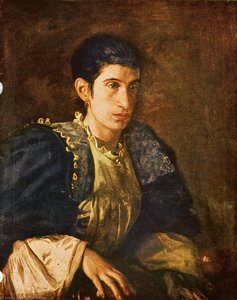
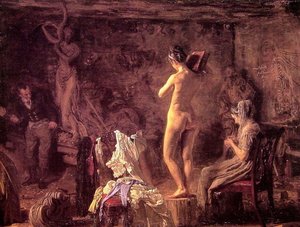
Thomas Eakins' "The Courtship," painted in 1878, is more than just a portrait; it’s a meticulously observed study of human connection—a quiet tableau brimming with unspoken emotions and subtle gestures. This oil on canvas work, now residing within the Fine Arts Museums of San Francisco, offers a rare glimpse into the domestic life of late 19th-century America, rendered with Eakins' signature blend of realism and psychological insight. The painting immediately draws the viewer in with its warm palette—a rich tapestry of browns, reds, and golds that creates an atmosphere of comfortable intimacy, reminiscent of a fireside conversation.
Eakins’ genius lies not merely in his technical skill – though undeniably impressive, evidenced by the confident brushstrokes capturing the textures of fabric and skin – but in his ability to distill complex human interaction into a single, compelling scene. The arrangement of figures is deliberate: the woman, positioned slightly to the left and facing her companion, exudes an air of relaxed attentiveness. Her posture, coupled with the gentle curve of her hand as she gestures, suggests engagement and perhaps even a hint of playful anticipation. The man, seated beside her, mirrors this openness with his own gaze, creating a dynamic visual dialogue that transcends mere representation.
Deconstructing Reality: Eakins’ Realist Approach
“The Courtship” firmly establishes Eakins as a pivotal figure in the American Realist movement. Rejecting the romanticized depictions prevalent at the time, he sought to portray everyday life with unflinching honesty and scientific precision. This is evident in his detailed rendering of the room – the worn furniture, the ticking clock, the subtle details of the doll—each element contributing to a sense of authenticity. Eakins was fascinated by anatomy and observation; he dissected subjects, studying their posture, expressions, and interactions with an almost clinical eye, then rebuilt them on canvas with remarkable accuracy.
Notably, Eakins eschewed traditional portraiture conventions. He avoided idealized beauty or dramatic poses, instead opting for a naturalistic depiction of his subjects in a commonplace setting. The inclusion of the clock, for instance, isn’t merely decorative; it serves as a reminder of time passing and the potential trajectory of this quiet moment. The doll, a small, almost enigmatic presence, adds another layer of complexity—perhaps representing childhood innocence or the anticipation of future family life.
Symbolism and Emotional Resonance
Beyond its realistic depiction, “The Courtship” is rich in subtle symbolism. The arrangement of chairs suggests a comfortable familiarity, while the shared space fosters a sense of connection. The woman’s hand resting lightly on the man's arm speaks volumes about their relationship—a gesture of affection and trust. Eakins masterfully captures the unspoken language of intimacy, conveying a feeling of warmth, vulnerability, and quiet contentment.
Furthermore, the painting reflects the changing social landscape of the late 19th century, when courtship rituals were undergoing transformation. It offers a glimpse into a period where young people began to assert their independence and make choices about their own futures—a theme that resonates even today. The scene feels both familiar and subtly revolutionary, capturing a moment of genuine human connection amidst the complexities of social expectations.
A Timeless Masterpiece: Reproductions and Legacy
The original “The Courtship” is a treasured piece within the Fine Arts Museums of San Francisco’s collection. However, OriginalUniqueArt.com offers exquisite, hand-painted reproductions that allow art lovers to experience this remarkable work in their own homes. These meticulously crafted copies faithfully recreate Eakins' masterful technique and evocative atmosphere, ensuring that the painting’s beauty and emotional depth are preserved for generations to come.
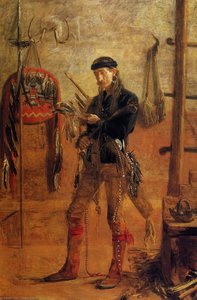
For those seeking a deeper understanding of Thomas Eakins and his artistic legacy, we encourage you to explore our website at https://OriginalUniqueArt.com, where you can discover other works by the artist, including “Frank Jay St. John,” another significant piece in the museum’s collection. You can also find further information on Eakins and his artistic influences at https://OriginalUniqueArt.com.
Biografia dell'artista
La Vita e l'Opera di Thomas Eakins
Thomas Cowperthwait Eakins, nato a Philadelphia il 25 luglio 1844 e morto nella stessa città il 25 giugno 1916, è stato un pittore, fotografo, scultore ed educatore artistico americano. È considerato uno dei più importanti esponenti del realismo americano del XIX secolo. La sua opera si distingue per la rappresentazione accurata e spesso cruda della realtà, con particolare attenzione all'anatomia umana e alla vita quotidiana dell’epoca.Formazione e Primi Anni
Eakins dimostrò fin da giovane un talento eccezionale per il disegno. Studiò presso la Pennsylvania Academy of the Fine Arts, dove si concentrò sull'anatomia grazie alle lezioni al Jefferson Medical College. Questo studio approfondito del corpo umano influenzò profondamente il suo stile pittorico, permettendogli di rappresentare figure con una precisione e un realismo senza precedenti. Nel 1866-1869, Eakins si recò in Europa, principalmente a Parigi, dove studiò sotto la guida di Jean-Léon Gérôme all'École des Beaux-Arts. L’influenza di Gérome fu significativa, ma Eakins sviluppò rapidamente un suo stile distintivo, rifiutando l'idealizzazione romantica e abbracciando una visione più diretta e veritiera della realtà.Lo Stile Realista e le Opere Principali
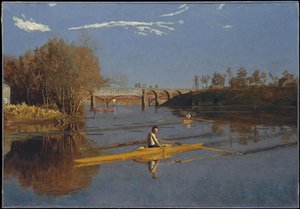
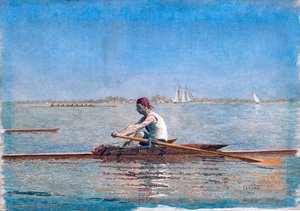
Il realismo di Eakins si manifesta nella sua attenzione ai dettagli, nell’uso di colori sobri e nella rappresentazione onesta dei suoi soggetti. I suoi ritratti, numerosi e vari, offrono uno spaccato della società americana del suo tempo, raffigurando intellettuali, atleti, scienziati e membri della classe media. Tra le sue opere più celebri si annoverano:- Max Schmitt in a Single Scull (1871): Un'icona del realismo americano che cattura l’energia e la grazia di un vogatore durante una competizione.
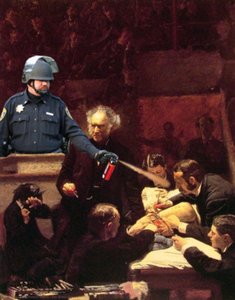
- The Gross Clinic (1875): Una rappresentazione cruda e senza compromessi di un intervento chirurgico in pubblico, considerata una delle opere più importanti della storia dell'arte americana.
- Homeody at Canoe Street (1874): Un ritratto che esplora la vita quotidiana e l’ambiente urbano di Philadelphia.
- The Agony of Carceri (1882): Una rappresentazione potente della prigionia e della sofferenza umana, ispirata a un racconto di Edgar Allan Poe.
Insegnamento e Controversie
Eakins fu anche un influente insegnante presso la Pennsylvania Academy of the Fine Arts dal 1876 al 1886. Il suo metodo didattico, incentrato sullo studio del corpo umano dal vivo e sull'uso della fotografia per l’anatomia, era innovativo ma spesso controverso. Nel 1886, fu costretto a dimettersi dalla sua posizione dopo aver utilizzato un modello nudo in una lezione mista di uomini e donne, scatenando indignazione pubblica.Eredità e Significato Storico
Nonostante le difficoltà incontrate durante la sua vita, Thomas Eakins è oggi riconosciuto come uno dei più grandi pittori americani. La sua opera ha influenzato generazioni di artisti e continua ad essere ammirata per il suo realismo impietoso, la sua maestria tecnica e la sua capacità di catturare l'essenza della vita americana del XIX secolo. Eakins è stato un pioniere nel rappresentare la realtà senza filtri, aprendo la strada a nuove forme di espressione artistica e contribuendo in modo significativo alla storia dell’arte americana. La sua eredità risiede nella sua capacità di osservazione acuta e nella sua volontà di rappresentare il mondo così com'era, con tutte le sue imperfezioni e complessità.
Thomas Eakins
1844 - 1916 , Stati Uniti d'America
Dati rapidi
- Artisti Influenti: ['Jean-Léon Gérôme']
- Data Di Nascita: 25 luglio 1844
- Luogo Di Nascita: Filadelfia, Stati Uniti
- Movimento Artistico: Realismo americano
- Nazionalità: Americana
- Nome Completo: Thomas Cowperthwait Eakins
- Opere Notevoli:
- Max Schmitt in a Single Scull
- La Clinica Gross
Articoli correlati
American Realism: Social Commentary & Artistic Representation in Early 20th-Century Painting
Explore the powerful social commentary & artistic representation of American Realism. Discover key artists like Bellows & Sloan, and understand the movement's lasting impact on 20th-century art history.

Dallo Scatto Istantaneo al Ritratto d'Atelier: La Rinascita della Tecnica ad Olio nell'Era Digitale
Scopri la rinascita della pittura ad olio! Riproduzioni di alta qualità realizzate da esperti artisti. Consulenza personalizzata e opere uniche per arredare con stile e valore.
Robert W. Salmon: Navigando le Correnti della Pittura Marittima e del Realismo Americano
Esplora la vita e l'opera di Robert W. Salmon, maestro della pittura marittima americana. Analisi approfondita del suo stile realistico, l'influenza del luminismo e il contesto storico dell'arte ottocentesca.

Edmund Charles Tarbell: Un Intimo Realismo che Illumina la Vita Americana
Scopri Edmund Charles Tarbell, maestro del realismo americano e della Scuola di Boston. Analisi approfondita della sua tecnica intimista, opere iconiche e l'eredità artistica che continua a ispirare.
Thomas Eakins: Realismo Anatomico e lo Spirito Americano – Un'Esplorazione Completa di Vita e Legacy
Esplora la vita e l'opera di Thomas Eakins, il maestro del realismo americano. Approfondisci la sua tecnica anatomica, i ritratti intensi e l'impatto duraturo sulla storia dell'arte. Scopri le sue opere più significative.