

 Anteprima in scala reale
 Condividi
 Condividi
 Dettagli
 Guida stampabile

 Scarica
 Articoli simili
 Radiografia
 Slideshow
 Statistiche
Still Life with a Cornemuse
 Oil On Canvas
- WallArt
- Romanticism
 19th Century
 46.0 x 38.0 cm
 Fitzwilliam College
 Leggi tutto
Giclée / Stampe d'arte
Stampa giclée o su tela di qualità museale, con produzione rapida e diverse opzioni di finitura. ( Ordina la riproduzione dipinta a mano Passa all'immagine digitale)




P118B €10

P118H €10

P118W €10

P438Z €10

P508JH €12

P508YH €12

P805H €10

P805Z €10

P919BZ €10

P919G €10

P919XJ €10

P959ZH €10

P968JZ €12

W106C €8

W218G €10

W218JH €8

W218Y €10

W307PJ €10

W316G €10

W316PJ €8

W316Y €10

W398PJ €8

W4111J €10

W500HY €15

W500JH €15

W692G €12

W849H €8

W940BG €15

W953PJ €8




Scegli tra le nostre dimensioni predefinite, che rispettano le proporzioni originali dell'opera d'arte.

Inserisci la larghezza e l'altezza desiderate, per adattarle alla tua cornice o alla tua parete. Una stampa può essere solo ritagliata, mai resa più grande dell'immagine originale; pertanto, un formato con una forma differente comporterà la perdita di una parte dell'opera. Ti invieremo un mockup digitale da approvare prima di procedere con la stampa. L'immagine mostrata in questa pagina non rappresenta il ritaglio reale — solo il mockup lo mostra.
Consegna in tutto il mondo () in 2 settimane invece delle normali 4/5 settimane. (22 Ottobre)

Spedizione espressa gratuita in tutto il mondo

Tela in lino di alta qualità

Assicurazione completa sulla spedizione

Garanzia di rimborso dei dazi doganali

Garanzia di perfetta fedeltà cromatica

Politica di reso entro 100 giorni (solo per difetti di fabbricazione)

Garanzia di rimborso al 100%

Sconto per acquisti multipli
 L'opzione vetro è disponibile solo per dimensioni inferiori a 110 cm

Still Life with a Cornemuse
Giclée / Stampe d'arte
Dimensioni della riproduzione
-


Prezzo totale
€ 70
Still Life with a Cornemuse
Thomas Couture’s “Still Life with a Cornemuse” is more than just an arrangement of objects; it's a carefully constructed meditation on mortality and remembrance, rendered in the rich hues characteristic of Romanticism. Painted circa 1850-1855, this artwork resides within the Fitzwilliam Museum’s Keynes Collection, offering visitors a glimpse into Couture’s artistic vision during a pivotal moment in European art history.- Subject Matter: The composition centers around a cornemuse—a simple pipe instrument—alongside an apple and two bags hanging from it. These elements aren't merely decorative; they are imbued with symbolic significance, reflecting themes prevalent in Romantic thought.
- Style & Technique: Couture employed oil paint on canvas, utilizing meticulous brushwork to achieve a velvety texture that captures the subtle nuances of light and shadow. His technique demonstrates mastery of chiaroscuro—the dramatic interplay between light and dark—creating depth and enhancing the emotional impact of the scene.
- Historical Context: Couture’s work emerged during the waning years of the Napoleonic era, a period marked by disillusionment following Napoleon's defeat and a yearning for idealized beauty amidst societal upheaval. Romantic artists sought to express profound emotions and grapple with existential questions, rejecting the rationalism of Enlightenment thought.
- Symbolism: The apple, traditionally associated with temptation and knowledge in Christian iconography, serves as a poignant reminder of human vulnerability and the inevitability of decay. Similarly, the cornemuse symbolizes pastoral simplicity and remembrance—a connection to nature and to cherished memories—themes central to Romantic aesthetics.
- Emotional Impact: Couture’s masterful execution evokes a sense of melancholy contemplation. The subdued palette and careful attention to detail invite viewers to ponder the transient beauty of life and the enduring power of memory, mirroring the Romantic preoccupation with emotion and experience.
Domande e risposte
Che livello di saturazione del colore ha "Still Life with a Cornemuse" di Thomas Couture?
I colori di "Still Life with a Cornemuse" di Thomas Couture hanno una saturazione Clear Color Presence. La saturazione descrive quanto i colori siano vivaci o attenuati.
Quale tonalità di fondo attraversa "Still Life with a Cornemuse" di Thomas Couture?
Una tonalità Golden Yellow Range attraversa l'opera "Still Life with a Cornemuse" di Thomas Couture.
In quale museo è conservato l'originale di "Still Life with a Cornemuse"?
Puoi ammirare l'originale "Still Life with a Cornemuse" presso il Fitzwilliam College, Cambridge, Regno Unito.
Biografia dell'artista
primi anni e formazione
Thomas Couture, figura di spicco nel mondo dell'arte, nacque il 21 dicembre 1815 a Senlis, Oise, in Francia. All’età di 11 anni, la sua famiglia si trasferì a Parigi, dove avrebbe studiato all’industrial arts school (École des Arts et Métiers) e successivamente all’École des Beaux-Arts.carriera artistica
Nonostante affrontò iniziali rifiuti, Couture perseverò e alla fine vinse il prestigioso concorso Prix de Rome nel 1837. Nel 1840 iniziò a esporre i suoi dipinti storici e di genere al Salon di Parigi, ottenendo numerosi premi per le sue opere, tra cui il suo capolavoro Romani durante la decadenza (1847).influenza e insegnamento
La tecnica innovativa di Couture attirò notevole attenzione e ricevette commissioni governative e religiose per affreschi tra gli anni '40 e i '50 del XIX secolo. Insegnò anche numerosi artisti importanti, tra cui Édouard Manet, Henri Fantin-Latour, John La Farge, Pierre Puvis de Chavannes e Karel Javůrek.periodo successivo e eredità
Nel 1860, Couture lasciò Parigi per la sua città natale di Senlis, dove continuò a insegnare giovani artisti. Pubblicò un libro sulle sue idee e sui suoi metodi di lavoro, *Méthode et entretiens d'atelier*, nel 1867. Quest’opera fu tradotta in inglese come *Conversations on Art Methods* nel 1879, l’anno della sua scomparsa.- Visualizza le opere di Thomas Couture su OriginalUniqueArt.com
- Leggi di più su Thomas Couture su Wikipedia
- Esplora il Musée des Beaux-Arts de Carcassonne, un museo che espone opere di artisti francesi ed europei, tra cui quelli influenzati dallo stile di Couture: Scopri il Musée des Beaux-Arts de Carcassonne (Francia)
- Romani durante la decadenza (1847)
- Il duello dopo il ballo in maschera (1857)
- Un avvocato che si reca a tribunale (anni '60 dell'Ottocento)
- Édouard Manet
- Henri Fantin-Latour
- John La Farge
- Pierre Puvis de Chavannes
- Karel Javůrek

Thomas Couture
1815 - 1879 , Francia
Informazioni rapide
- Artistic Movement Or Style: Romanticismo e Realismo
- Artists Or Movements Influenced By This Artist:
- Édouard Manet
- Henri Fantin-Latour
- Pierre Puvis de Chavannes
- Date Of Birth: 21 dicembre 1815
- Date Of Death: 30 marzo 1879
- Full Name: Thomas Couture
- Nationality: Francese
- Notable Artworks:
- Romani in Decadenza
- Il Duello dopo il Ballo
- Un Avvocato che va a Corte
- Place Of Birth (City And Country): Senlis, Francia
Articoli correlati

Silent Narratives: Exploring the Enduring Appeal of Still Life Painting Across Centuries
Explore the rich history of still life painting with OriginalUniqueArt. Discover Dutch Masters, decode vanitas symbolism & learn about collecting timeless art. Expert insights and museum-quality reproductions.
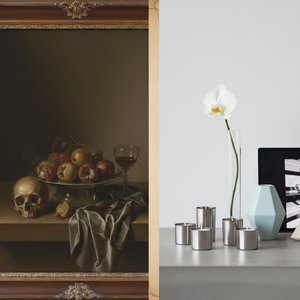
The Enduring Appeal of Still Life: A Historical & Contemporary Exploration
Explore the rich history & symbolism of still life painting with OriginalUniqueArt. Discover masterpieces from the Dutch Golden Age, learn about vanitas art, and find expert guidance for collecting timeless artworks.

The Enduring Legacy of Oil on Canvas: Technique, History & Aesthetic Impact
Explore the rich history & techniques of oil painting – from Renaissance masters to Impressionism. Discover pigments, layering methods, and why this timeless medium endures. Expert insights for artists & art enthusiasts.

Oil on Canvas: A Historical & Technical Exploration of a Timeless Artistic Medium
Explore the rich history & enduring techniques of oil painting on canvas. Discover the science behind its longevity, conservation practices, and contemporary relevance. Expert insights for art enthusiasts.

The Enduring Power of Painting: A Historical & Contemporary Exploration of Form and Emotion
Explore the rich history & enduring techniques of oil painting with OriginalUniqueArt. Discover masterpieces, learn about art collecting, and find authentic handmade reproductions crafted by skilled artists.


