
 Anteprima in scala reale
 Condividi
 Condividi
 Dettagli

 Scarica immagine
 Articoli simili
 Radiografia
 Slideshow
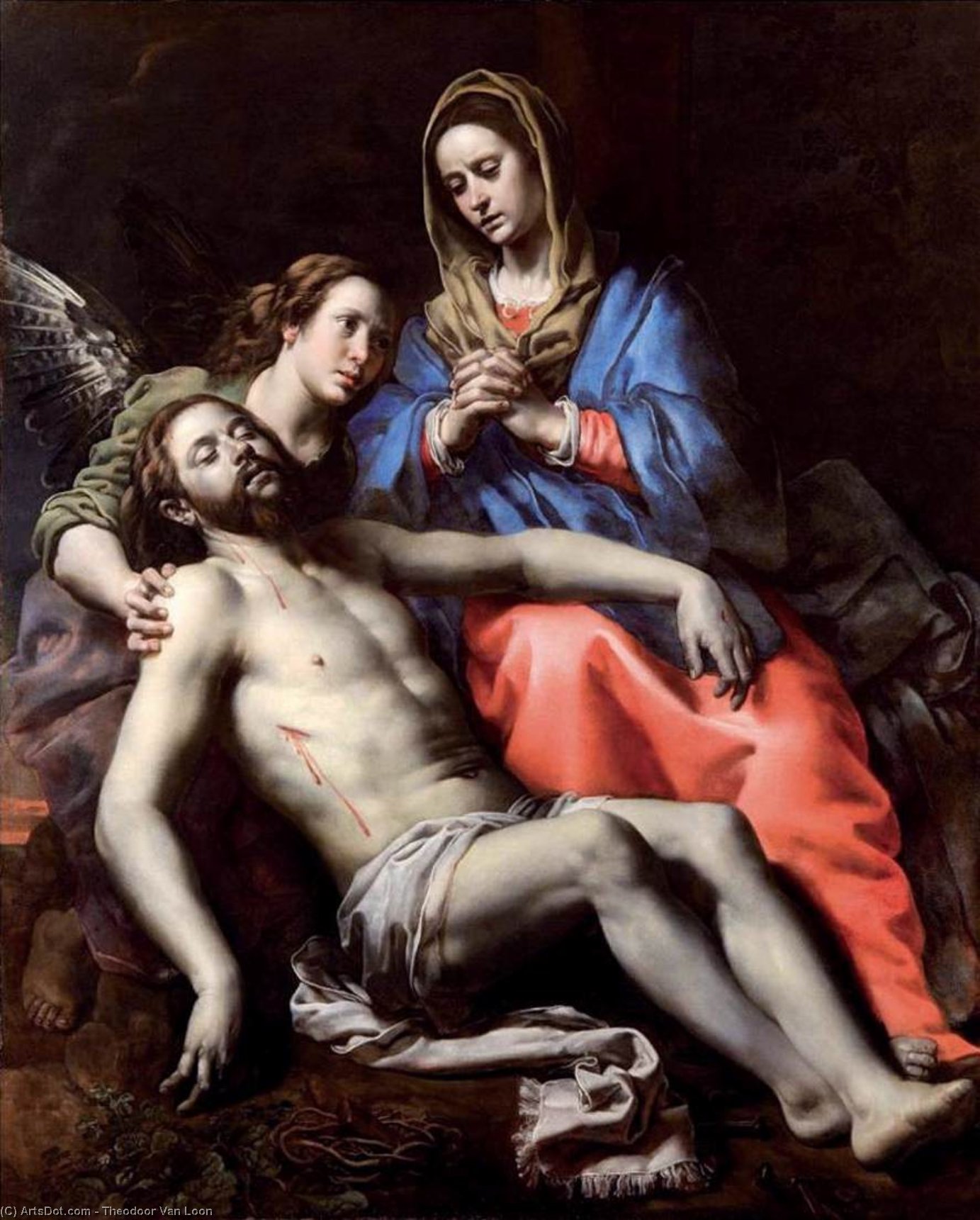
Lamentation
 Oil On Canvas
- WallArt
- Baroque
 1623
1623- Early Modern
 152.0 x 124.0 cm
 Basilica dei Pellegrini
 Leggi tutto
Riproduzione a olio fatta a mano
Olio su tela dipinto a mano nelle tue dimensioni e con la tua cornice, realizzato su ordinazione dai nostri artisti. ( Passa alla stampa Passa all'immagine)




P118B $10

P118H $10

P118W $10

P438Z $10

P508JH $12

P508YH $12

P805H $10

P805Z $10

P919BZ $10

P919G $10

P919XJ $10

P959ZH $10

P968JZ $12

W106C $8

W218G $10

W218JH $8

W218Y $10

W307PJ $10

W316G $10

W316PJ $8

W316Y $10

W398PJ $8

W4111J $10

W500HY $15

W500JH $15

W692G $12

W849H $8

W940BG $15

W953PJ $8




Scegli tra le nostre dimensioni predefinite, che rispettano le proporzioni originali dell'opera d'arte.

È possibile inserire dimensioni personalizzate per adattare l'opera a una cornice o a uno spazio specifico. Se la dimensione selezionata non corrisponde alle proporzioni dell'immagine originale, provvederemo a ritagliare l'opera o a estendere il dipinto con elementi aggiuntivi dipinti a mano. Un mockup digitale ti sarà inviato per approvazione prima dell'inizio della produzione.
Si prega di notare che l'anteprima a schermo non riflette il ritaglio o l'estensione effettivi. Solo il mockup mostrerà accuratamente la composizione finale.
Sebbene siano disponibili dimensioni personalizzate, consigliamo di selezionare una dimensione dall'elenco predefinito per preservare le proporzioni originali.
Dopo l'ordine, il team di OriginalUniqueArt.com contatterà il cliente via e-mail per le istruzioni e fornirà un'anteprima del mockup
Consegna in tutto il mondo () in 3/4 settimane anziché nelle normali 5 settimane. (11 Agosto). Nessun compromesso sulla qualità.

Spedizione espressa gratuita in tutto il mondo

Tela in lino di alta qualità

Assicurazione completa sulla spedizione

Garanzia di rimborso dei dazi doganali

Garanzia di fedeltà cromatica dell'originale

Politica di reso entro 60 giorni (solo per difetti di fabbricazione)

Garanzia di rimborso al 100%

Sconto per acquisti multipli
 L'opzione vetro è disponibile solo per dimensioni inferiori a 110 cm

Lamentation
Tecnica di riproduzione
Dimensioni della riproduzione
-


Prezzo totale
$ 300
Descrizione dell'opera
A Masterpiece of Sorrow and Light
In the profound stillness of Theodoor van Loon’s Lamentation, we are invited into a moment of unparalleled human and divine tragedy. Painted in 1623, this evocative work captures the heavy, breathless atmosphere following the Crucifixion. At the heart of the composition lies the broken form of Jesus, his lifeless body serving as the emotional anchor for a scene defined by grief. Surrounding him, the figures of Mary Magdalene and other mourners are rendered with such visceral intimacy that their weeping feels almost audible. The painting does not merely depict a religious event; it captures the very essence of mourning, inviting the viewer to stand amidst the shadows of the tomb and feel the weight of loss.
The brilliance of this piece lies in its masterful use of tenebrism, a technique Van Loon perfected through his deep connection to the Caravaggesque tradition. By plunging much of the background into impenetrable darkness, the artist forces our gaze onto the illuminated faces of the grieving. This dramatic interplay between light and shadow—the stark contrast of brilliant highlights against deep, velvety blacks—creates a sculptural quality in the figures. Every fold of fabric, every tear-streaked cheek, and the pale, wounded skin of Christ is sculpted by light, lending the scene a three-dimensional presence that commands the room.
Symbolism and the Baroque Spirit
Beyond its immediate emotional impact, the Lamentation is rich with symbolic layers that speak to the spiritual fervor of the Flemish Baroque era. The presence of celestial beings, such as the angels hovering near the earthly sorrow, bridges the gap between the mortal and the divine. Even a subtle detail, like a bird caught in flight above the scene, serves as a poignant metaphor for the soul or the fleeting nature of life amidst the permanence of death. Van Loon utilizes these elements to transform a historical narrative into a universal meditation on mortality and hope.
For the discerning collector or interior designer, this artwork offers more than just visual beauty; it provides a profound focal point for sophisticated spaces. The dramatic scale of 152 x 124 cm allows the painting to dominate a room with its quiet intensity. Whether placed in a gallery-style library or as a centerpiece in a classically styled salon, a high-quality reproduction of this work brings an air of historical prestige and contemplative depth. It is a piece that does not merely decorate a wall but enriches the very soul of a home, offering a timeless window into one of art history's most moving dramatic traditions.
Biografia dell'artista
Theodoor van Loon: A Caravaggio Disciple Shaping Flemish Baroque
Theodoor van Loon (1581 or 1582 – February 1649) stands as a compelling figure within the tapestry of Flemish Baroque art, largely overshadowed by contemporaries like Rubens and Rembrandt until recent scholarly attention revitalized interest in his oeuvre. Born in Eilersen, Germany, Van Loon’s artistic journey began amidst the burgeoning religious fervor of the Habsburg Netherlands, profoundly influenced by the stylistic innovations emanating from Italy – specifically Caravaggio’s dramatic realism.Early Life and Training: Documentary evidence concerning Van Loon's formative years remains scarce. Historians believe he honed his skills in Italy during two significant expeditions between 1602 and 1608, and again from 1628 to 1629. These travels exposed him to the artistic currents of Rome and cemented his allegiance to Caravaggio’s revolutionary approach to painting – characterized by tenebrism (extreme contrasts of light and dark) and emotionally charged depictions of biblical narratives. His dedication to mastering Caravaggio's techniques undoubtedly shaped his subsequent artistic endeavors.
Style and Technique: Van Loon’s distinctive style eschewed Rubens’ opulent synthesis of Italian, Flemish, and antique influences in favor of a more grounded aesthetic rooted in naturalism and classicism. He meticulously rendered figures with “morphological exactness and refined execution,” prioritizing sculptural form and conveying profound religious emotion through his compositions. Unlike many artists of his time who sought grandeur and spectacle, Van Loon prioritized anatomical accuracy and emotional depth—a testament to Caravaggio’s unwavering commitment to portraying human experience with unflinching honesty.
Notable Commissions: Van Loon achieved considerable renown for his ecclesiastical commissions throughout Flanders, notably the monumental altarpiece he undertook for the Basilica of Our Lady of Scherpenheuvel (Mariataferelen), completed between 1623 and 1628. Alongside Wenzel Coebergher, he collaborated on projects commissioned by Albert VII, Archduke of Austria and Isabella Clara Eugenia of Spain, demonstrating his artistic versatility and securing patronage from influential figures. This collaborative effort exemplifies the dynamism of Flemish art during a period marked by royal ambition and religious piety.
Key Works: Among Van Loon’s most celebrated paintings is “Adoration of the Shepherds,” a dramatic depiction of biblical piety executed in 1623–24. This masterpiece exemplifies Caravaggio's tenebristic style, skillfully employing light and shadow to heighten emotional impact and convey spiritual solemnity. The composition powerfully communicates the awe and reverence felt by the shepherds witnessing the birth of Jesus—a hallmark of Caravaggio’s artistic vision.
Another noteworthy piece is "The Magi Painting," showcasing Van Loon’s masterful technique and compositional prowess. It exemplifies his meticulous attention to detail, capturing the expressions and gestures of each figure with remarkable realism. The painting's subdued palette contributes to its contemplative atmosphere, reflecting the solemnity of the biblical narrative.
Despite the relative obscurity surrounding his life—no information survives about his education or marital status—Van Loon’s legacy persists through his surviving paintings. These works offer invaluable insights into the artistic landscape of early seventeenth-century Flanders, reflecting both Caravaggio's influence and the broader humanist spirit of the era. His association with Erycius Puteanus, a prominent Leuven scholar, underscores his engagement with intellectual discourse alongside artistic practice.
Recent scholarship has begun to illuminate the significance of Theodoor van Loon’s contribution to Flemish Baroque art, correcting historical misconceptions and recognizing him as a pivotal artist shaping the visual culture of his time. His unwavering devotion to Caravaggio’s artistic vision ensured that Van Loon’s paintings would continue to resonate with audiences for centuries to come.

Theodoor van Loon
1581 - 1667 , Germania
Informazioni rapide
- Artistic Movement Or Style: Barocco
- Artists Or Movements Influenced By This Artist: ['Rubens']
- Artists Who Influenced This Artist: ['Caravaggio']
- Date Of Birth: 1581 or 1582
- Date Of Death: February 1649
- Full Name: Theodoor van Loon
- Nationality: Fiamminghese
- Notable Artworks:
- Adorazione dei Pastori
- La Magi
- Place Of Birth: Eilersen, Germania
Articoli correlati

The Dramatic Flourish: Exploring the Baroque Movement's Enduring Legacy in Art History
Explore the dramatic world of Baroque art! Discover iconic artists like Caravaggio & Rubens, defining techniques, and its lasting impact on art history. Expert insights for collectors & enthusiasts at OriginalUniqueArt.

I 10 Capolavori Barocchi che Hanno Definito un'Epoca | Arte e Decorazioni di Lusso
Esplora i 10 capolavori barocchi di Caravaggio, Bernini e Rembrandt che hanno rivoluzionato l'arte. Scopri storie, tecniche e colori iconici. Trova riproduzioni d'arte di alta qualità per la tua casa su !

The Visceral Stage: Exploring Dramatic Narratives & Emotional Intensity in Baroque Art
Explore the dramatic world of Baroque art! Discover iconic masters like Caravaggio & Rembrandt, their techniques, and the movement's lasting impact. Expert insights for collectors & enthusiasts at OriginalUniqueArt.

Theatricality & Triumph: Baroque Drama in Painting & Sculpture
Explore the dramatic world of Baroque art! Discover its history, defining characteristics, & lasting influence on painting & sculpture. Expert insights into Caravaggio, Zurbarán, and Bernini – plus high-quality reproductions at OriginalUniqueArt.

Caravaggio: Luce, Ombra e Condizione Umana – Uno Studio Rivoluzionario del Realismo
Esplora la rivoluzionaria arte di Caravaggio: il tenebrismo, il realismo radicale e l'intensa rappresentazione della condizione umana. Analisi approfondite delle sue opere più iconiche.

