- Home

- Immagine digitale
- The Royal Mint
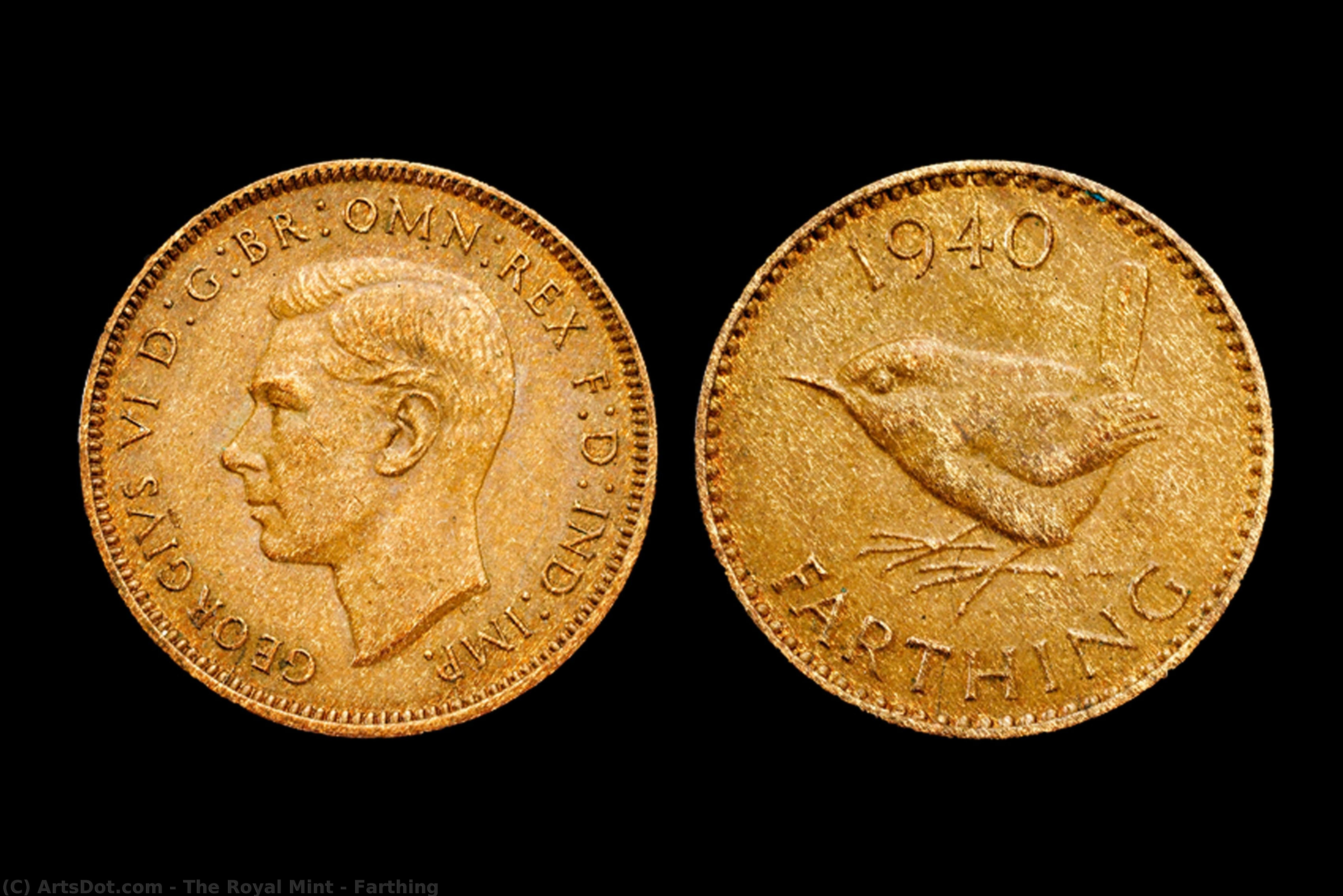
- Farthing
 Acquista stampa Ordina la riproduzione
 Invia
Invia
 Condividi
 Dettagli opera
 Aggiungi ai preferiti

 Scarica
 Simili
 Radiografia
 Slideshow
Farthing


 Scopri di più
Acquista un'immagine digitale ad alta risoluzione e ottimizzata, di qualità nettamente superiore all'anteprima online.
Ogni file è meticolosamente preparato dai nostri specialisti interni attraverso l'uso di strumenti avanzati e un sapiente ritocco manuale. Garantiamo che ogni immagine presenti una chiarezza eccezionale, una precisione cromatica impeccabile e dettagli raffinati.
Il file finale viene consegnato via e-mail entro 72 ore, ottimizzato per un uso immediato in contesti professionali, editoriali e di stampa. Si tratta della stessa qualità affidata dai più prestigiosi studi di design, editori e gallerie d'arte.
Immagine Digitale
Scarica un file ad alta risoluzione per uso personale, per la stampa e per progetti creativi.
Incluso in ogni ordine di immagini digitali
Consegna digitale professionale e garantita
Quando scegli OriginalUniqueArt.com, non riceverai solo un'immagine: riceverai un'opera d'arte digitale professionalmente ottimizzata, realizzata con la massima precisione e accompagnata da una garanzia di soddisfazione. Ecco tutto ciò che include il tuo ordine, automaticamente:

Consegna rapida via email
Riceverai il file dell'immagine digitale ad alta risoluzione via email entro 72 ore dall'ordine, pronto per un uso immediato.

File digitale ottimizzato dall'IA
La tua opera d'arte viene ottimizzata professionalmente attraverso l'uso di strumenti avanzati di intelligenza artificiale e una revisione manuale, garantendo il massimo livello di dettaglio, nitidezza e accuratezza cromatica.

Riconsegna gratuita a vita
Hai eliminato o perso accidentalmente il tuo file? Non preoccuparti: te lo invieremo di nuovo in qualsiasi momento, gratuitamente.

Nessun costo di importazione - Sempre
Goditi la tua opera d'arte istantaneamente senza costi doganali, dazi o spese di spedizione: i download digitali sono sempre esenti da tasse.

Garanzia di fedeltà cromatica
Garantiamo che la tua immagine digitale rifletta i colori originali con la massima fedeltà, grazie all'uso di strumenti professionali e a una gestione accurata del colore.

Garanzia di soddisfazione di 60 giorni
Se non sei soddisfatto della tua immagine digitale, la revisioneremo o ti rimborseremo il 100% entro 60 giorni, senza domande.

Garanzia di rimborso al 100%
Non sei soddisfatto? Ricevi un rimborso completo entro 60 giorni dalla ricezione del tuo file digitale, senza dover fornire spiegazioni.

Sconti per ordini multipli
Acquista 3 immagini, risparmia il 10% - Acquista 5, risparmia il 15% - Acquista 10+, risparmia il 20%. Ideale per progetti creativi, gallerie e agenzie.
Biografia dell'artista
The Enduring Legacy of The Royal Mint
For over a millennium, the very notion of British currency has been inextricably linked to The Royal Mint. More than simply a producer of coins, it represents a continuous thread in the nation’s history – a tangible symbol of power, trade, and cultural identity. While today recognized for its modern facilities in Llantrisant, Wales, the story of The Royal Mint is one of remarkable evolution, originating not as a centralized institution but as a network of localized production centers scattered across the British Isles.
The earliest roots trace back to Celtic tribes imitating continental coinage around the 2nd century BC. However, it was with the Roman occupation that systematic minting began in Britain, though these operations were ultimately short-lived. Following the withdrawal of Roman forces, a fragmented system of regional mints emerged during the Anglo-Saxon period, reflecting the decentralized nature of early English kingdoms. The pivotal moment arrived in 1279 when Edward I consolidated these disparate operations under a single authority – the London Mint within the Tower of London. This marked the genesis of what would become The Royal Mint as we know it.
From Tower to Transformation
For centuries, the Tower of London served as the heart of British coinage. Within its formidable walls, skilled moneyers and engravers meticulously crafted coins that bore the likenesses of successive monarchs, each strike a declaration of sovereignty. The roles within the Mint became increasingly formalized during the medieval period, with positions like Master Worker, Warden, and Comptroller establishing a hierarchical structure responsible for overseeing production, quality control, and financial administration. The 15th and 16th centuries witnessed growing economic pressures on England, culminating in Henry VIII’s controversial “Great Debasement” – an attempt to alleviate financial woes by reducing the precious metal content of coins. This period highlights a crucial aspect of The Royal Mint's history: its inherent connection to the political and economic fortunes of the nation.
The 17th century brought further challenges, including periods of civil war and fluctuating monetary standards. However, the Mint continued to adapt, evolving alongside the changing needs of British commerce. A significant shift occurred in the late 19th and early 20th centuries with the rise of industrialization and the increasing demand for standardized coinage. This led to the development of more sophisticated machinery and techniques, paving the way for mass production.
George William De Saulles and Artistic Flourishes
While The Royal Mint is often viewed as a functional institution, it has also been a crucible for artistic talent. George William De Saulles (1862-1903) stands out as a particularly influential figure in this regard. A British medallist of exceptional skill, De Saulles was commissioned to design numerous coins and medals during the reigns of Queen Victoria and Edward VII. His work is characterized by its refined detail, classical elegance, and historical accuracy. De Saulles’s designs weren't merely representations of royal portraits; they were carefully considered artistic statements that reflected the prevailing aesthetic sensibilities of the era.
His contributions extend beyond standard coinage to include commemorative medals celebrating significant events and anniversaries. The Royal Mint Anniversary Medal, for example, showcases his mastery of relief sculpture and symbolic imagery. Even seemingly minor commissions, such as the Royal Mint Swimming Club medal (second place), demonstrate his dedication to craftsmanship and attention to detail. De Saulles’s legacy lies in elevating British coinage from a purely functional object to a form of portable art.
Modernization and Beyond
The 20th century witnessed the most dramatic transformation in The Royal Mint's history – its relocation from London to a purpose-built facility in Llantrisant, Wales, in 1968. This move coincided with Britain’s adoption of decimal currency, necessitating a complete overhaul of coin designs and production methods. The modern Mint embraced technological advancements, becoming a world leader in coinage technology and security features.
However, the story doesn't end there. Recognizing the decline in cash usage, The Royal Mint has strategically diversified its operations in recent years. It now encompasses precious metal investment, historic coin collecting, and luxury collectibles – including the innovative “886 by The Royal Mint” jewellery division utilizing sustainably sourced gold recovered from electronic waste. This forward-thinking approach ensures that The Royal Mint remains relevant and continues to shape the future of currency and beyond, building upon a legacy stretching back over a thousand years.


